Exploring Bhutan’s Spiritual Heart: Sacred Relics and Mindful Travel
Bhutan, nestled in the Himalayas, serves as a living center for spiritual diplomacy and global peace. Through the presence of sacred Buddha relics, the kingdom seamlessly integrates faith, culture, and mindful travel, offering visitors transformative experiences that blend meditation, ritual, and contemplative tourism.
TLDR
Bhutan combines spiritual heritage with immersive travel experiences. Sacred Buddha relics, sacred festivals, and Vajrayana practices make the kingdom a hub for peace-focused, mindful, and wellness-oriented tourism.
Spiritual Diplomacy and Sacred Journeys: Bhutan as a Living Centre of Global Peace
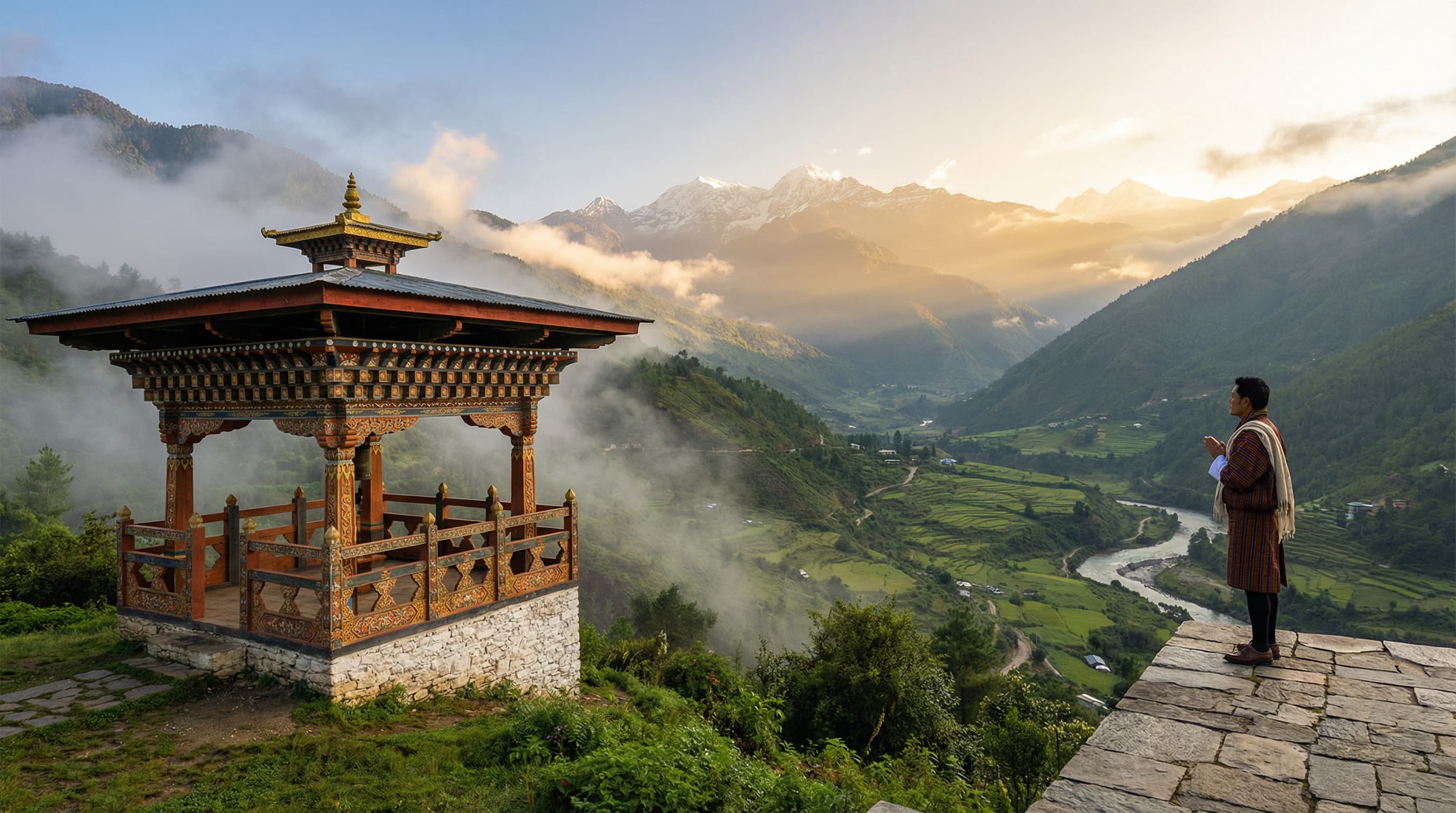
In the heart of the Himalayas, Bhutan stands not merely as a destination, but as a living spiritual landscape where diplomacy, devotion, and travel converge. Among the most profound expressions of this convergence is the presence of sacred Buddhist relics within the kingdom—a manifestation of spiritual diplomacy that transcends borders, timelines, and politics, and continues to shape Bhutan’s role as a global sanctuary for peace-oriented travel.
Rather than existing as a single moment in history, the movement and enshrinement of sacred Buddha relics in Bhutan represent an ongoing dialogue between faith and statecraft. These relics function as spiritual anchors, drawing pilgrims, practitioners, and mindful travelers into a shared space of reverence, reflection, and collective intention for global harmony.
Spiritual Diplomacy as a Living Practice
Bhutan’s relationship with neighboring Buddhist civilizations—particularly India—is rooted in centuries of shared philosophy, monastic exchange, and cultural lineage. The circulation of sacred relics within this relationship is not symbolic alone; it is functional. It reinforces a mutual commitment to values that prioritize compassion, non-violence, and inner development as foundations for societal wellbeing.
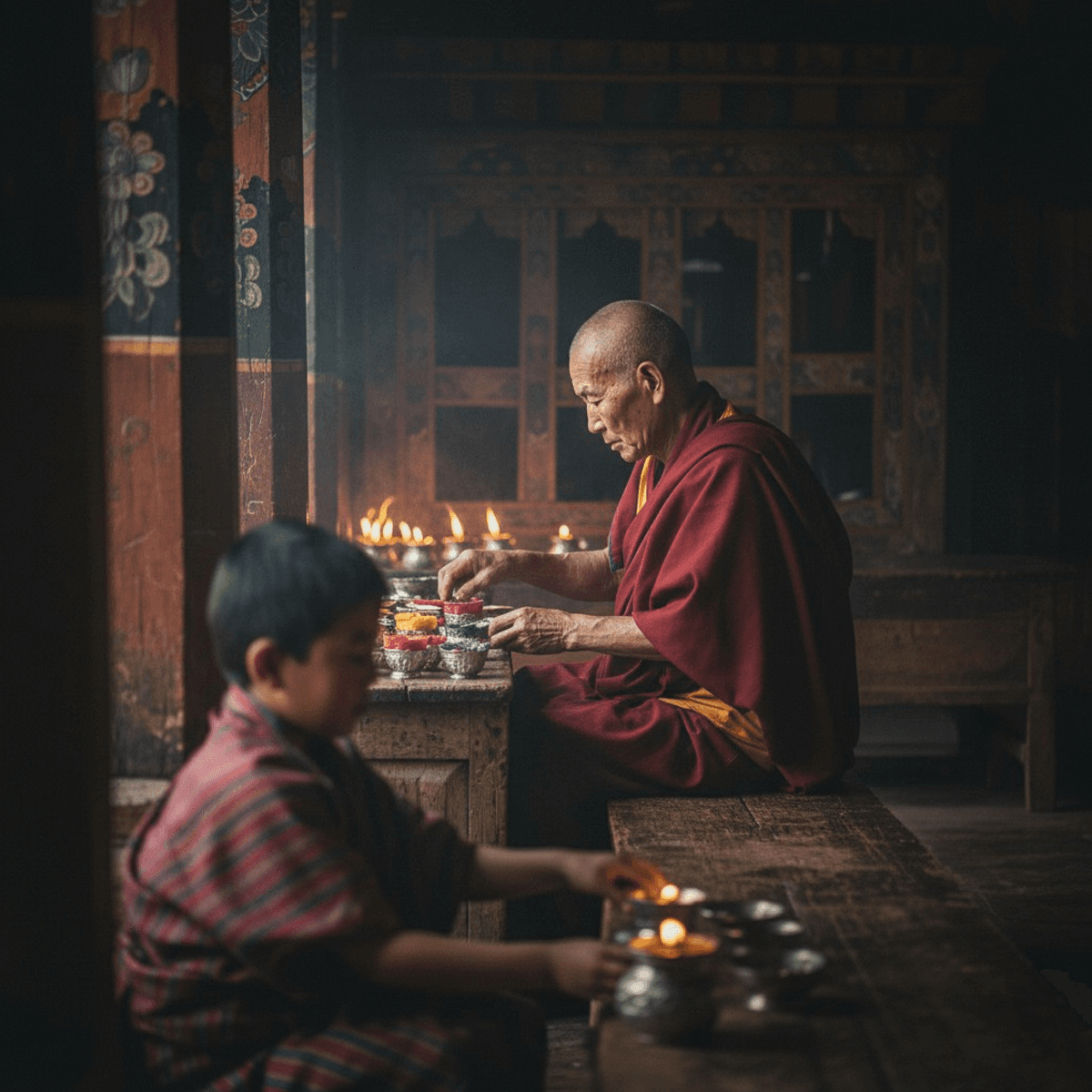
In Bhutan, spiritual diplomacy operates quietly yet powerfully. Sacred objects are not displayed as historical artifacts, but are integrated into living ritual contexts—prayers, festivals, royal commemorations, and communal gatherings. This approach transforms diplomacy into a contemplative act, where faith becomes a shared language capable of uniting nations without the need for negotiation or rhetoric.
Tashichhodzong: Where Governance Meets the Sacred
The enshrinement of Buddha relics within Tashichhodzong, Bhutan’s most important administrative and monastic complex, reflects the country’s unique integration of spiritual and civic life. Located near the royal palace, the dzong serves simultaneously as a seat of government and a centre of religious authority.
Placing sacred relics within this space reinforces a central Bhutanese principle: governance must remain aligned with ethical awareness and spiritual responsibility. For visitors, this setting offers a rare opportunity to witness how national identity, leadership, and devotion coexist in a single architectural and ceremonial landscape.
The Piprahwa Relics and the Continuity of the Buddha’s Presence
Among the most revered relics associated with Bhutan’s spiritual exchanges are the Piprahwa relics—widely recognized within the global Buddhist community for their authenticated connection to the historical Buddha. Originating from the ancient region of Kapilavastu, these relics represent a direct material link to the Shakya lineage and the formative period of Buddhism itself.
Their presence in Bhutan is not framed as a historical exhibition, but as a continuation of the Buddha’s living presence. Devotees engage with the relics through prayer, meditation, and acts of merit, reinforcing the belief that enlightenment is not confined to the past, but remains accessible through disciplined practice and ethical living.
Bhutan as a Nexus of Global Prayer and Inner Renewal
Large-scale prayer gatherings and peace-oriented festivals in Bhutan demonstrate how the country functions as a global spiritual meeting point. Monastics from multiple traditions, alongside lay practitioners and international visitors, participate in extended rituals dedicated to peace, compassion, and collective healing.
Central to these gatherings is Vajrayana Buddhism, the spiritual foundation of Bhutanese culture. Vajrayana emphasizes the possibility of awakening within a single lifetime through focused practice, moral clarity, and meditative discipline—principles that resonate deeply with contemporary travelers seeking meaning beyond conventional tourism.
From Pilgrimage to Purposeful Travel
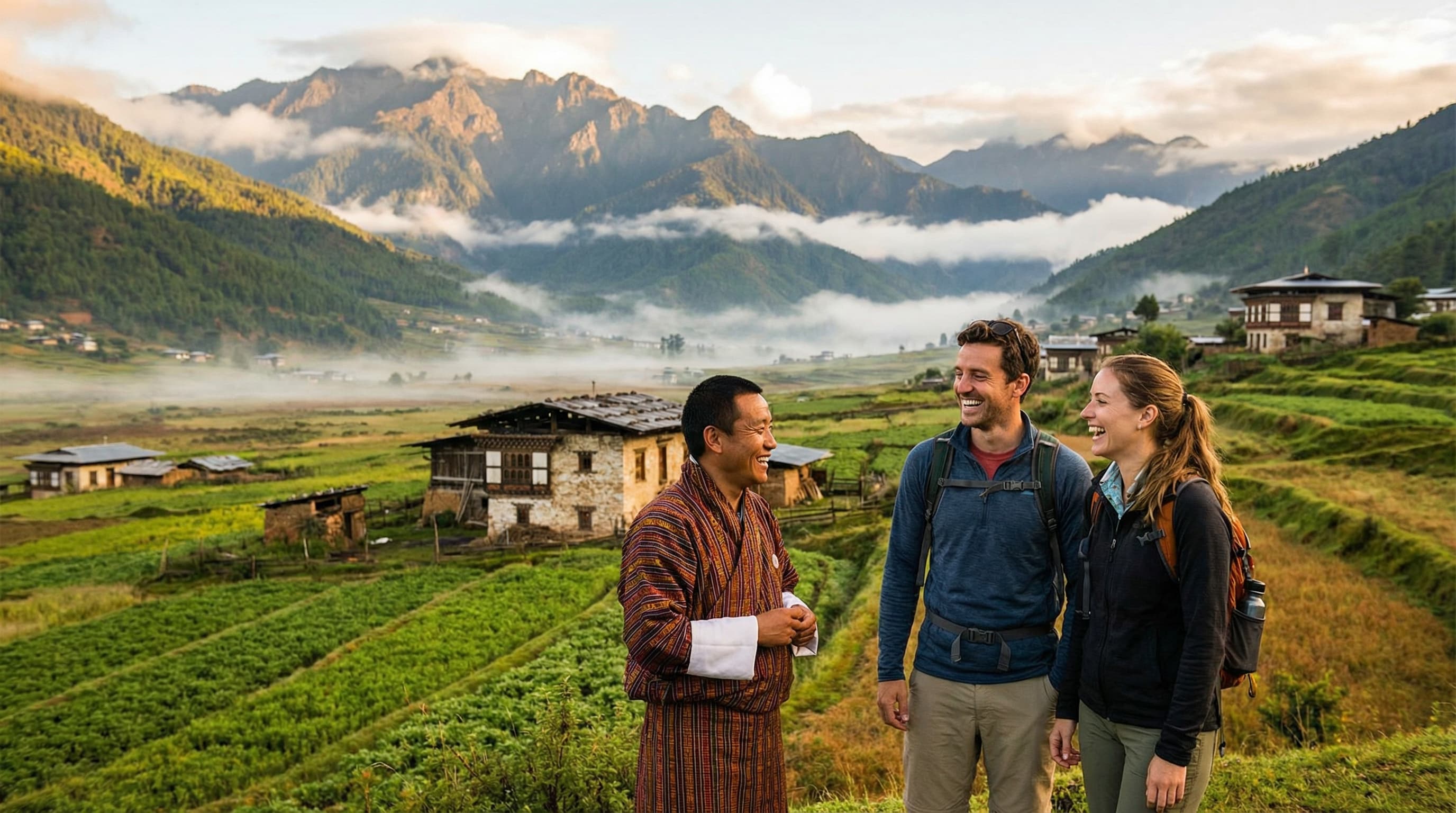
Bhutan’s approach to spiritual heritage naturally gives rise to a form of tourism that is immersive, intentional, and transformative. Travelers are not positioned as spectators, but as participants—invited to slow down, observe rituals, engage in silence, and reflect within sacred landscapes.
This model of spiritual and wellness tourism aligns seamlessly with Bhutan’s broader philosophy of Gross National Happiness. Experiences are curated not for volume, but for depth, ensuring that travel remains respectful to local culture while offering visitors genuine opportunities for inner renewal.
Bhutan & Co. specializes in designing journeys that reflect the kingdom’s living spiritual heritage. From sacred monasteries and dzongs to meditation retreats and festival-based travel, each itinerary is crafted to honor Bhutan’s values while offering travelers authentic access to its contemplative heart.
Written by
Bhutan & Co. Editorial Team