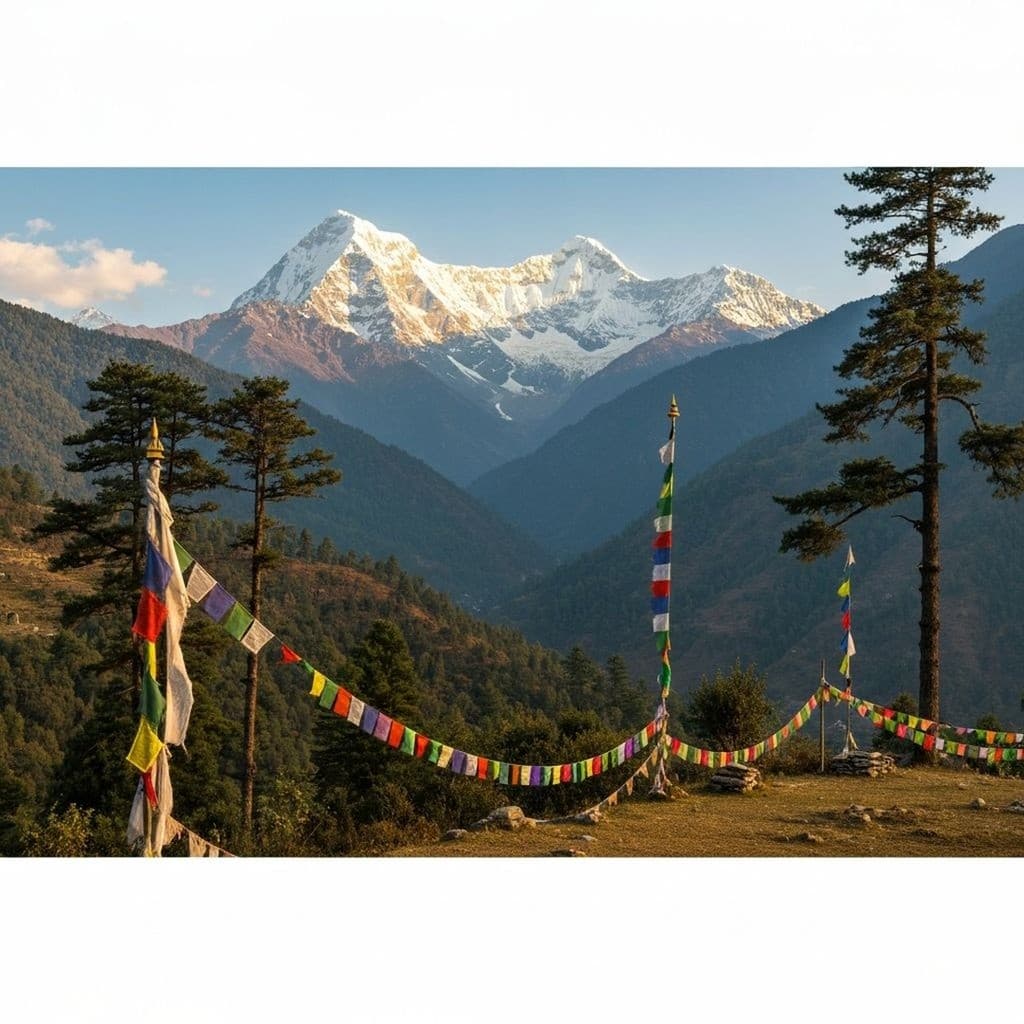
Bhutan is not merely a destination—it is a philosophy, a way of being that challenges everything we think we know about progress and prosperity. This is a nation that measures success not by economic output, but by the wellbeing of its people and the preservation of its culture and environment.
Gross National Happiness
In 1972, Bhutan's Fourth King declared that "Gross National Happiness is more important than Gross Domestic Product." This revolutionary philosophy has shaped every aspect of Bhutanese society, from environmental conservation to cultural preservation.
The four pillars of GNH—sustainable development, cultural preservation, environmental conservation, and good governance—create a society that prioritizes collective wellbeing over individual wealth. For discerning travelers seeking meaning beyond material luxury, Bhutan offers profound insights into alternative ways of living.
A Carbon-Negative Nation
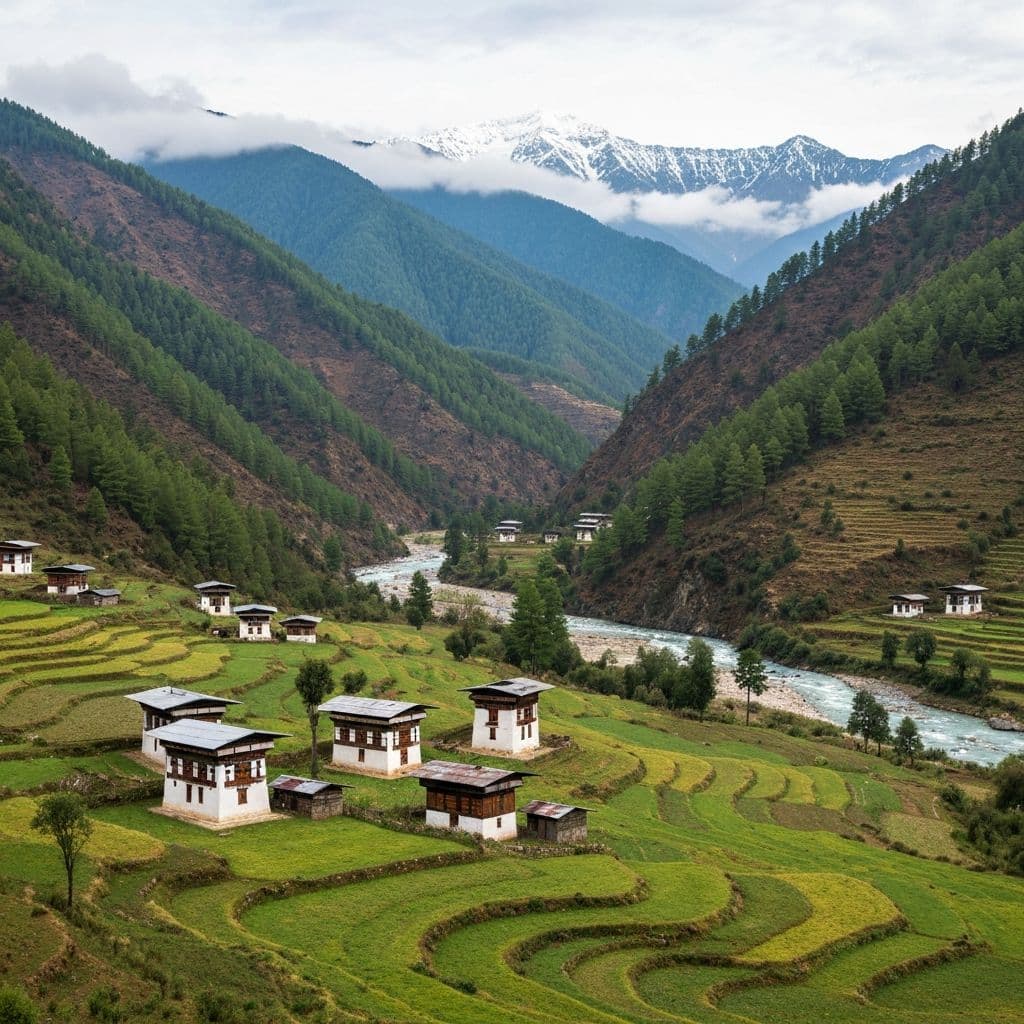
Bhutan is one of only three carbon-negative countries in the world. The constitution mandates that at least 60% of the country remain under forest cover—currently, over 70% is forested, absorbing more carbon dioxide than the entire nation produces.
This commitment to environmental stewardship means you'll experience nature in its most pristine form: snow leopards roam the high mountains, black-necked cranes winter in glacial valleys, and ancient forests remain untouched by commercial logging.
Living Traditions
In Bhutan, tradition is not a museum piece—it is the fabric of daily life
National Dress
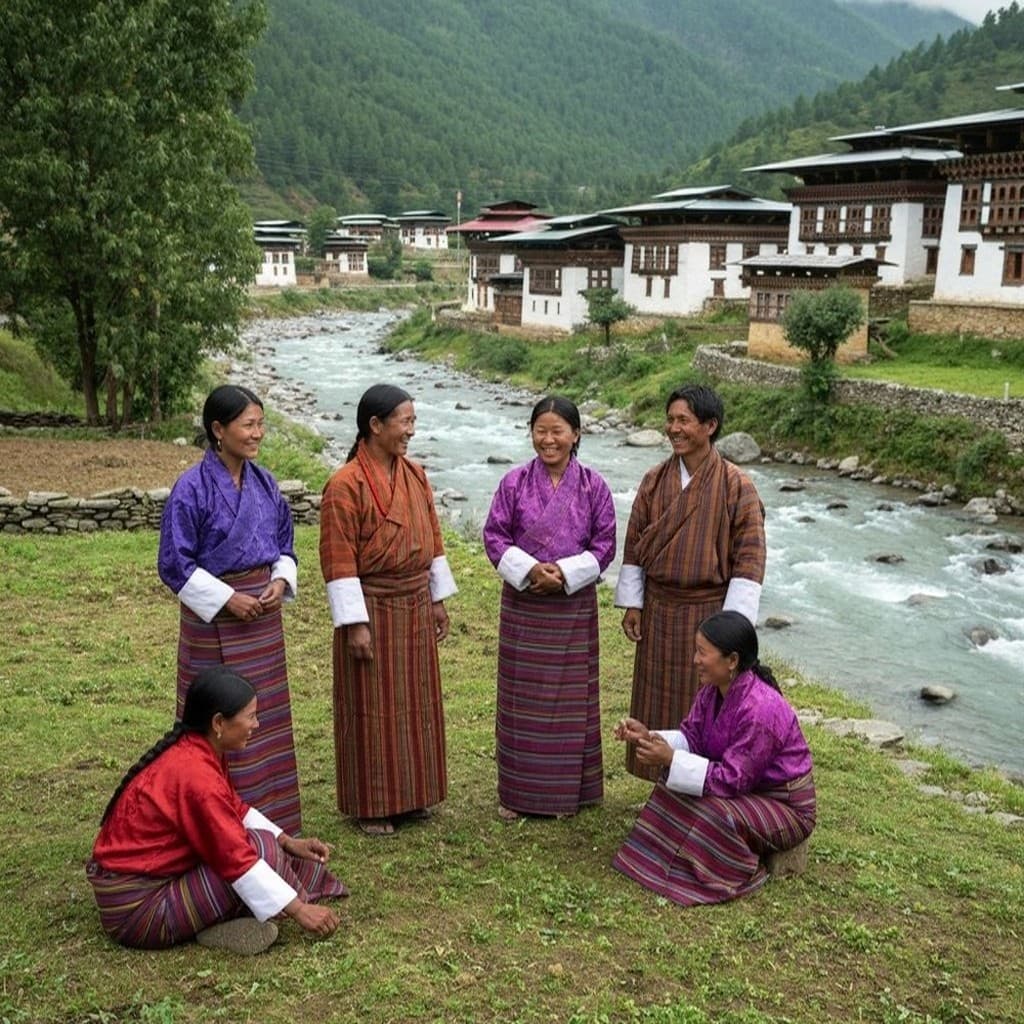
Bhutanese citizens wear traditional dress—the gho for men and kira for women—in all formal settings, preserving centuries-old textile traditions.
Dzong Architecture
Massive fortress-monasteries built without nails or architectural plans continue to serve as administrative and religious centers.
Buddhist Practice
Vajrayana Buddhism permeates daily life, with prayer flags, monasteries, and spiritual practices woven into the cultural landscape.
High-Value, Low-Impact Tourism
Bhutan's tourism policy is deliberately exclusive. By limiting visitor numbers and requiring all tourists to book through licensed operators, the country ensures that tourism benefits local communities without overwhelming them. This creates an environment where you'll experience authentic Bhutan, not a destination diluted by mass tourism.
For discerning travelers, this means intimate encounters with local culture, uncrowded trails to sacred sites, and the knowledge that your visit directly supports Bhutan's sustainable development goals.
Explore Journeys