Bhutan’s Sustainable Tourism Model
More than a visa fee, Bhutan’s Sustainable Development Fee reflects a national commitment to mindful travel. This approach protects the environment, preserves tradition, and reshapes how tourism can serve a country.
TLDR
Bhutan’s USD 100 Sustainable Development Fee is not just a visa cost—it is a deliberate policy that limits mass tourism and funds education, healthcare, environmental protection, and cultural preservation. By welcoming fewer visitors with greater impact, Bhutan offers a travel experience rooted in responsibility, sustainability, and long-term national happiness..
Inside Bhutan’s Sustainable Tourism Model
In an era when overtourism strains destinations across the globe, Bhutan stands quietly apart—redefining what responsible travel truly means. Often labeled as the country with the world’s most expensive tourist visa, the Kingdom of the Thunder Dragon is, in reality, championing a far more thoughtful idea: tourism as a force for preservation, not pressure.
At the heart of Bhutan’s approach lies the Sustainable Development Fee (SDF)—a nightly contribution of USD 100 paid by international visitors. Rather than a simple entry charge, the SDF is a deliberate mechanism designed to protect Bhutan’s landscapes, culture, and way of life, while ensuring that tourism directly benefits the nation and its people.
A Different Way to Welcome the World
Nestled in the Eastern Himalayas, Bhutan has never pursued mass tourism. Instead, it follows a philosophy known globally as “High Value, Low Volume”—welcoming fewer travelers, but ensuring each visit leaves a positive and lasting impact.
Unlike conventional visa fees, the SDF is reinvested in the country itself. Revenue supports free healthcare and education, environmental conservation, and the preservation of Bhutan’s cultural heritage. It also helps Bhutan maintain its remarkable status as a carbon-negative nation, with more than 70 percent of its land covered in forest.
This model transforms travel into a partnership. Visitors are not just guests; they become contributors to Bhutan’s long-term well-being.
Expensive on Paper, Purposeful in Practice
Compared to popular destinations like the United States, the UK, or the Schengen Area—where tourist visas range from roughly USD 85 to USD 185—Bhutan’s cost structure is undeniably higher. In addition to a standard visa processing fee of around USD 40, the SDF is charged per night, meaning a short stay can add up quickly.
A four-night journey, for instance, may cost between USD 440 and USD 840, depending on seasonal incentives or temporary reductions. Yet this pricing is intentional. By limiting visitor numbers—around 315,000 travelers per year—Bhutan avoids overcrowding, environmental damage, and cultural dilution.
This approach aligns closely with the country’s guiding philosophy of Gross National Happiness (GNH), which prioritizes collective well-being over pure economic growth.
Where Culture, Nature, and Meaning Converge
For travelers who do make the journey, Bhutan offers experiences that feel deeply personal, immersive, and unspoiled. Among the country’s many highlights, a few stand out as truly unforgettable:
Paro Taktsang (Tiger’s Nest Monastery)
Dramatically clinging to a cliff nearly 3,000 meters above sea level, this sacred monastery is Bhutan’s most iconic sight. The hike is demanding, but the sweeping views and spiritual atmosphere make the ascent profoundly rewarding.
Punakha Dzong
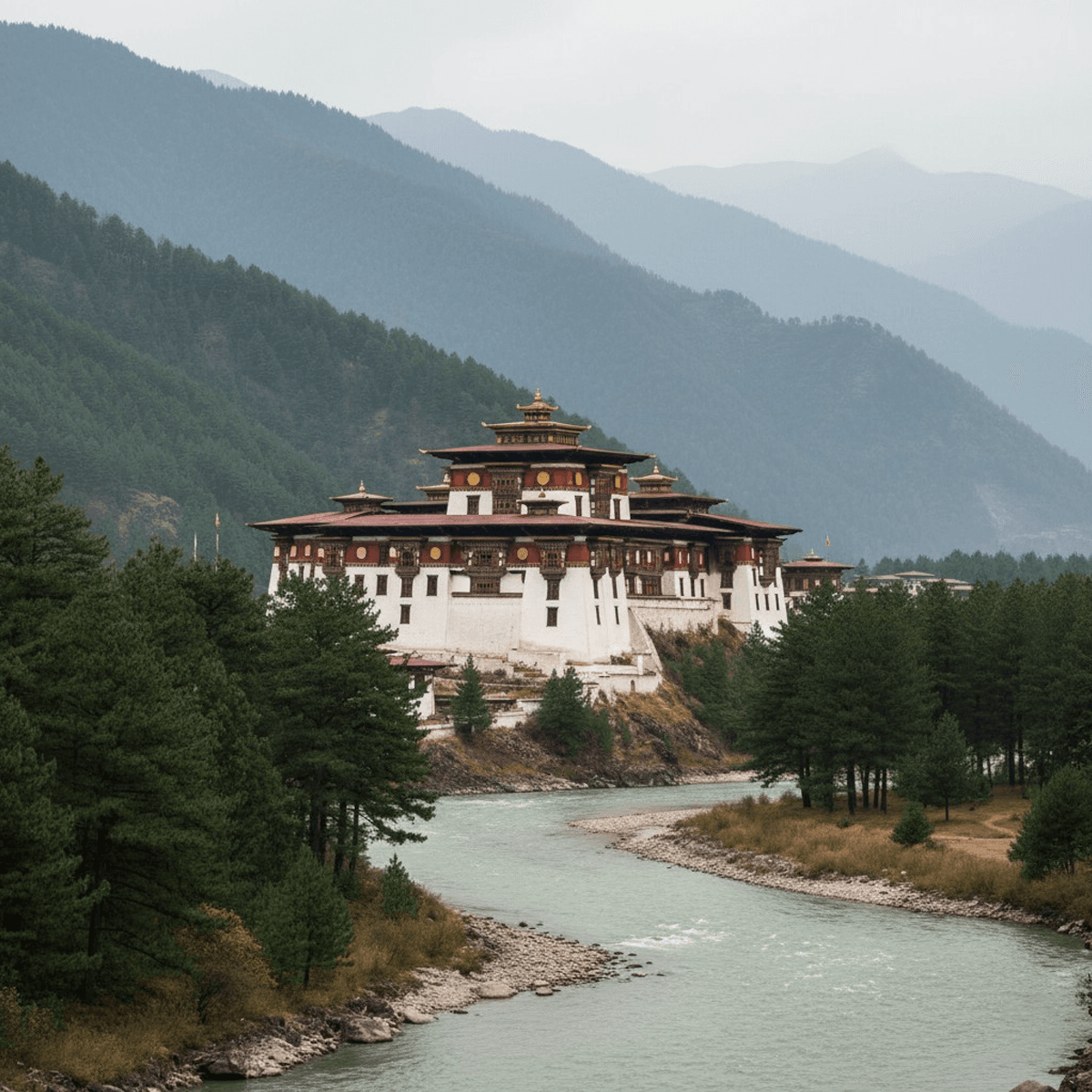
Known as the “Palace of Great Happiness,” this majestic fortress sits at the confluence of two rivers and remains a vital religious and administrative center. Its elegant architecture and rich history offer a window into Bhutan’s royal and spiritual past.
Thimphu
Bhutan’s capital is unlike any other, where ancient traditions coexist seamlessly with modern life. From the National Memorial Chorten to the towering Buddha Dordenma statue, Thimphu blends spirituality, craftsmanship, and everyday Bhutanese culture.
Dochula Pass
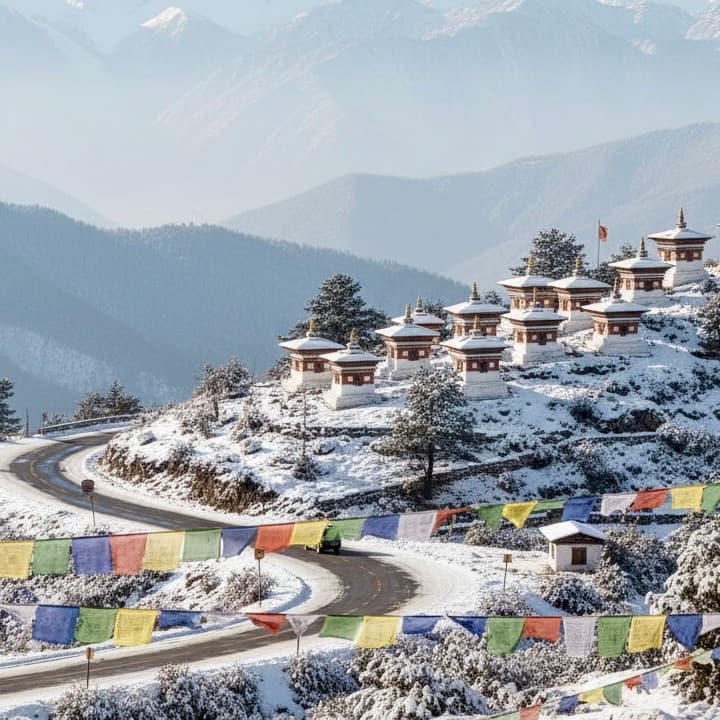
At over 3,100 meters above sea level, Dochula Pass reveals sweeping Himalayan panoramas on clear days. The 108 white chortens scattered across the ridge lend a quiet solemnity to this breathtaking viewpoint.
Phobjikha Valley
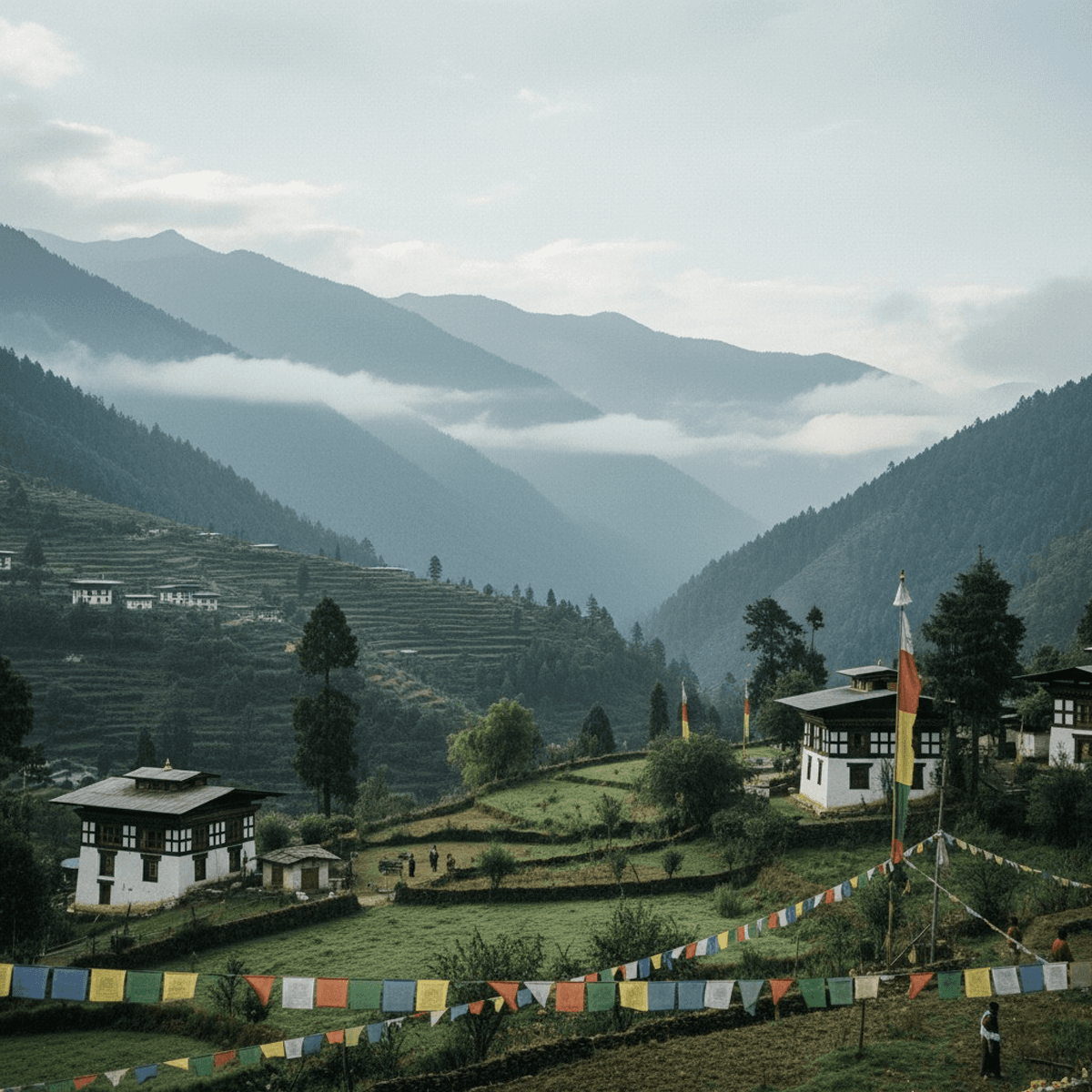
A sanctuary for the endangered black-necked cranes, this glacial valley is a haven of calm. Wetlands, traditional farmhouses, and monasteries create an atmosphere that feels timeless—ideal for nature lovers and mindful travelers alike.
A Journey Best Taken with Understanding
Traveling to Bhutan is not about ticking off landmarks—it is about understanding a country that has consciously chosen a different path. From its Sustainable Development Fee to its philosophy of Gross National Happiness, every aspect of Bhutan’s tourism model reflects intentionality, respect, and long-term thinking.
At Bhutan & Co., we share this same belief. Our role is not simply to arrange journeys, but to help travelers understand why Bhutan does what it does—so each visit is informed, respectful, and meaningful. Whether you are exploring the Himalayas for the first time or seeking a deeper cultural connection, Bhutan rewards those who travel with curiosity and awareness.
Because in a country like Bhutan, how you travel matters just as much as where you go.
Written by
Bhutan & Co. Editorial Team