Bhutan Archery: A Guide to the National Sport for Luxury Travelers
Discover why archery is more than a sport in Bhutan. From 145-meter ranges to ritualistic dances, explore the best ways to witness the national sport in luxury.
TLDR
Archery in Bhutan is a 145-meter test of skill and psychological endurance, deeply rooted in Himalayan tradition. This guide outlines how to experience the sport’s ritualistic atmosphere at premier venues in Thimphu and Paro.
The Philosophy of the 145-Meter Range
In most of the world, archery is a quiet, solitary pursuit of Olympic precision. In the Kingdom of Bhutan, Datse (archery) is a boisterous, multi-day social pillar that defines the national character. Declared the national sport in 1971, archery in Bhutan transcends mere athletics; it is an intricate blend of martial history, spiritual ritual, and community bonding. For the discerning traveler, understanding the nuances of the sport is essential to navigating the cultural landscape of the Himalayas.
The most immediate distinction for those familiar with Western archery is the distance. While Olympic archers compete at a range of 70 meters, Bhutanese marksmen fire at a target placed 145 meters away—over twice the international standard. The targets are small, brightly painted wooden slabs, barely visible to the untrained eye at such a distance. To hit a target the size of a dinner plate from nearly one and a half football fields away requires not just physical strength, but a meditative level of focus that is central to the Bhutanese way of life.
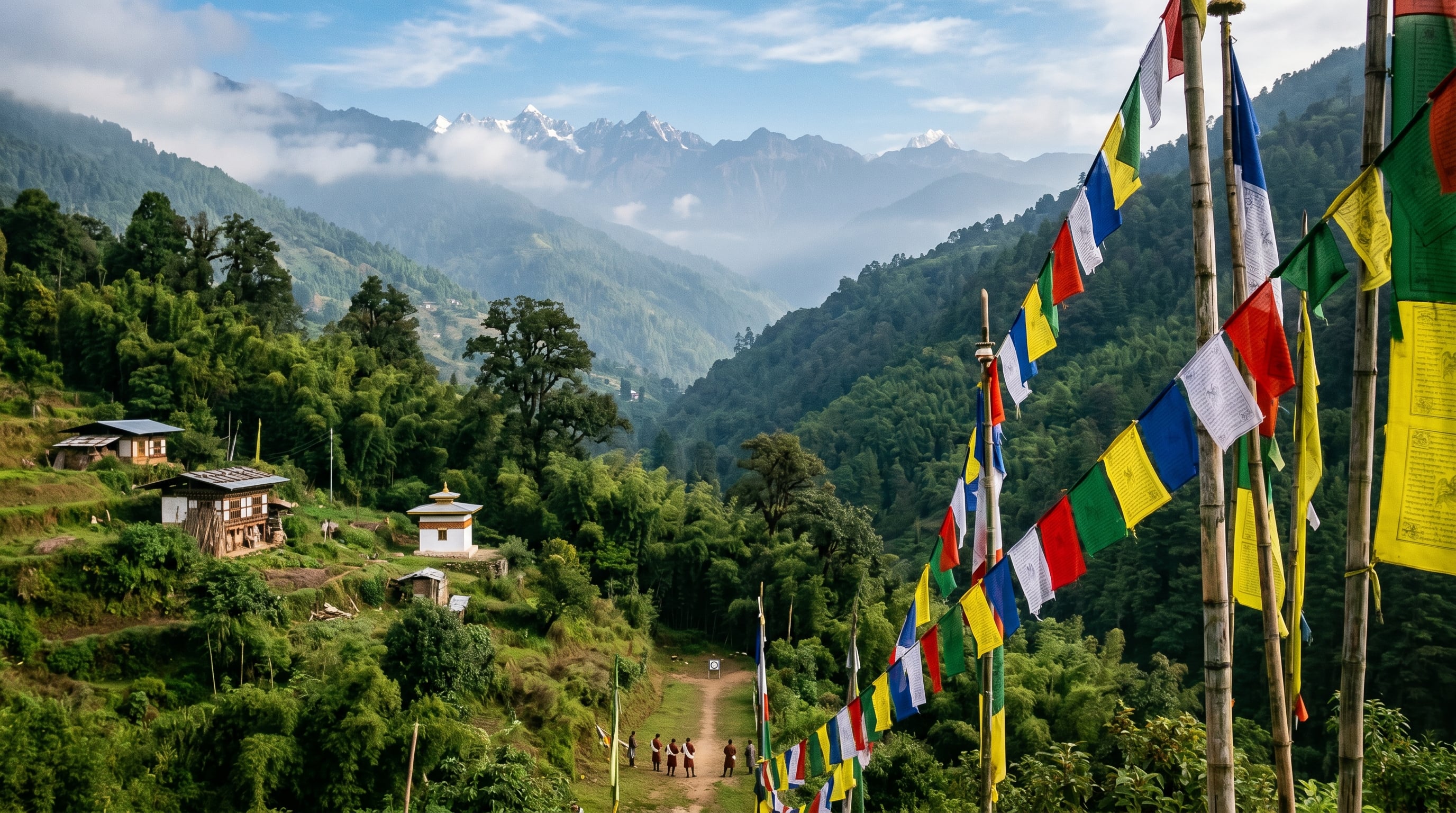
For those planning a visit, integrating a tournament into a bespoke Bhutan itinerary allows for a rare window into the authentic social fabric of the country. Unlike the curated performances found in many global tourism hubs, a Bhutanese archery match is a living, breathing event where high-ranking officials, local farmers, and modern entrepreneurs compete side-by-side in the national dress, the Gho.
The Ritual: Jeering, Dancing, and Psychological Warfare
An archery match in Bhutan is never a silent affair. It is an immersive theater of psychological maneuvers and celebratory rites. When an arrow finds its mark, the archer’s teammates perform a slow, choreographed dance and song in honor of the achievement. Conversely, the opposing team is permitted—and encouraged—to engage in lighthearted jeering. This verbal sparring is designed to break the concentration of the marksman, testing their mental fortitude as much as their aim.
The Role of the Cheerleaders
Traditional matches often feature groups of women who act as both supporters and distractors. They perform songs that praise their own team while playfully mocking the skills of the opponents. For the spectator, this creates a vibrant, rhythmic atmosphere that contrasts sharply with the high-stakes tension of the competition. It is a social ecosystem where the lines between sport and festival blur seamlessly.
Spiritual Preparation
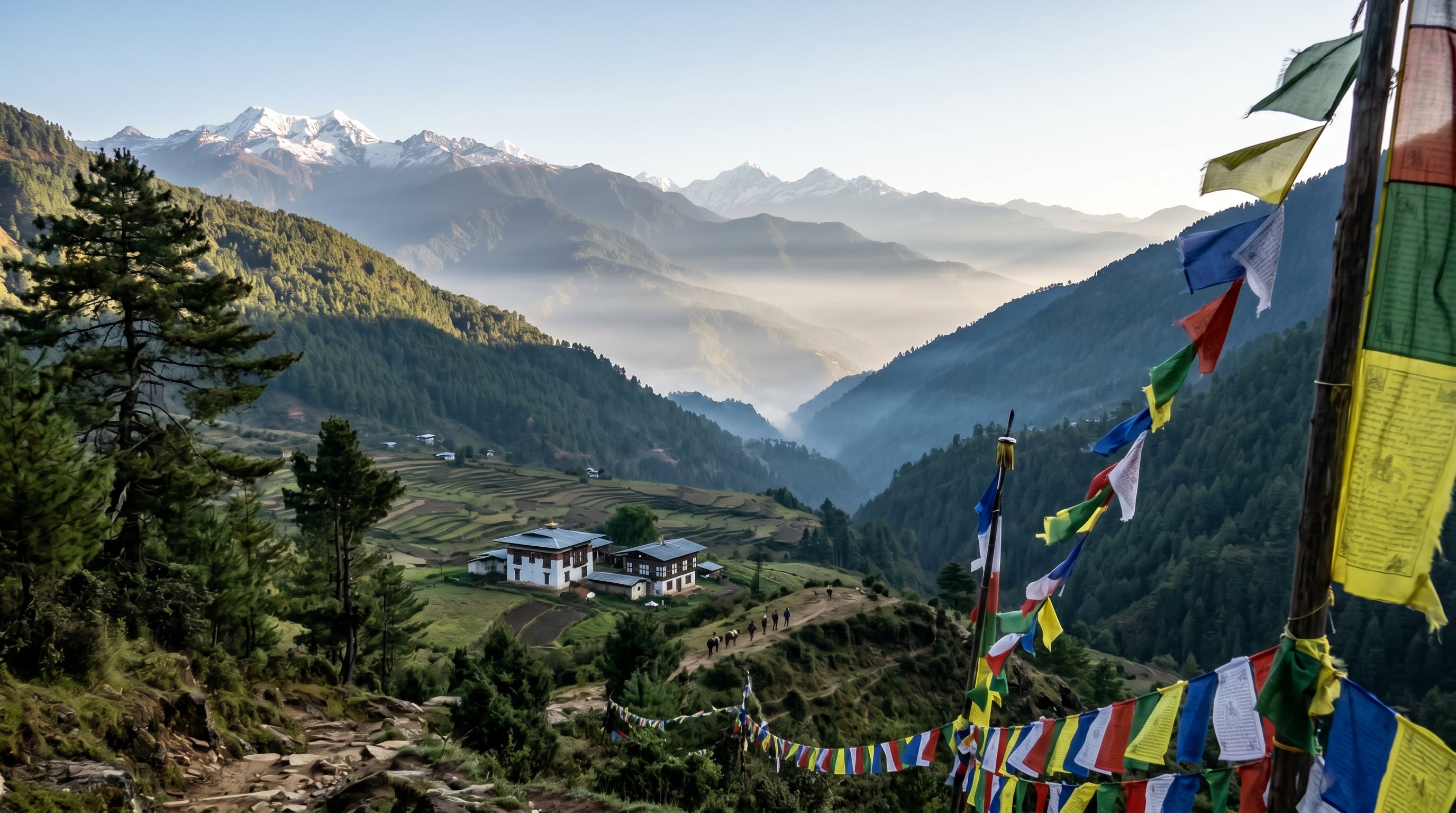
Before a major tournament, it is not uncommon for teams to consult astrologers or invite monks to perform private ceremonies to ensure success. These rituals may involve the blessing of the bows or the placement of prayer flags to court favorable winds. This intersection of the sacred and the secular is a recurring theme in Bhutanese life, making the sport a profound entry point for those seeking private cultural ceremonies and deeper immersion.
Traditional Bamboo vs. Modern Compound Bows
The evolution of archery in Bhutan has seen a fascinating intersection of tradition and technology. While the Zhu (traditional bamboo bow) remains a symbol of heritage, many modern competitors have embraced high-tech carbon-fiber compound bows imported from the United States. These modern implements allow for greater velocity and accuracy, yet they have not diminished the traditional spirit of the game.
The choice of equipment often dictates the nature of the match. Rural villages tend to stick to the hand-carved bamboo bows, which require immense upper-body strength to pull. In urban centers like Thimphu and Paro, the sight of an archer in a traditional silk Gho wielding a $2,000 Hoyt or Mathews compound bow is a quintessential image of 21st-century Bhutan.
| Feature | Traditional Bamboo Bow (Zhu) | Modern Compound Bow |
|---|---|---|
| Material | Seasoned Highland Bamboo | Carbon Fiber / Aluminum Alloy |
| Effective Range | 145 Meters (High Arc) | 145 Meters (Flat Trajectory) |
| Physical Demand | Extremely High; relies on raw strength | High; assisted by pulley systems |
| Cultural Context | Rural festivals and heritage matches | National tournaments and urban clubs |
Where to Spectate: Premier Venues for the Discerning Traveler
While archery can be found in almost every clearing across the country, several venues offer a more structured and comfortable experience for international guests. As the official PSA for Drukair, Bhutan & Co. ensures that your arrival via seamless air links from Bangkok or Delhi is timed to coincide with the Kingdom's most prestigious sporting events.
Changlimithang Stadium, Thimphu
The national stadium in the capital is the epicenter of Bhutanese sports. The archery range here is world-class, often hosting the finals of major national tournaments. Spectating here allows you to see the country's elite archers in action. The stadium's architecture, featuring traditional Bhutanese motifs, provides a majestic backdrop for the competition.
The Paro Archery Ground
Located near the river and often bustling with local activity, the Paro grounds offer a more intimate look at the sport. It is a common weekend activity for locals, and visitors are often welcomed with genuine curiosity and warmth. The proximity to many of the country’s finest luxury lodges makes this an easy addition to any afternoon schedule.
Rural Festivals (Tshechus)
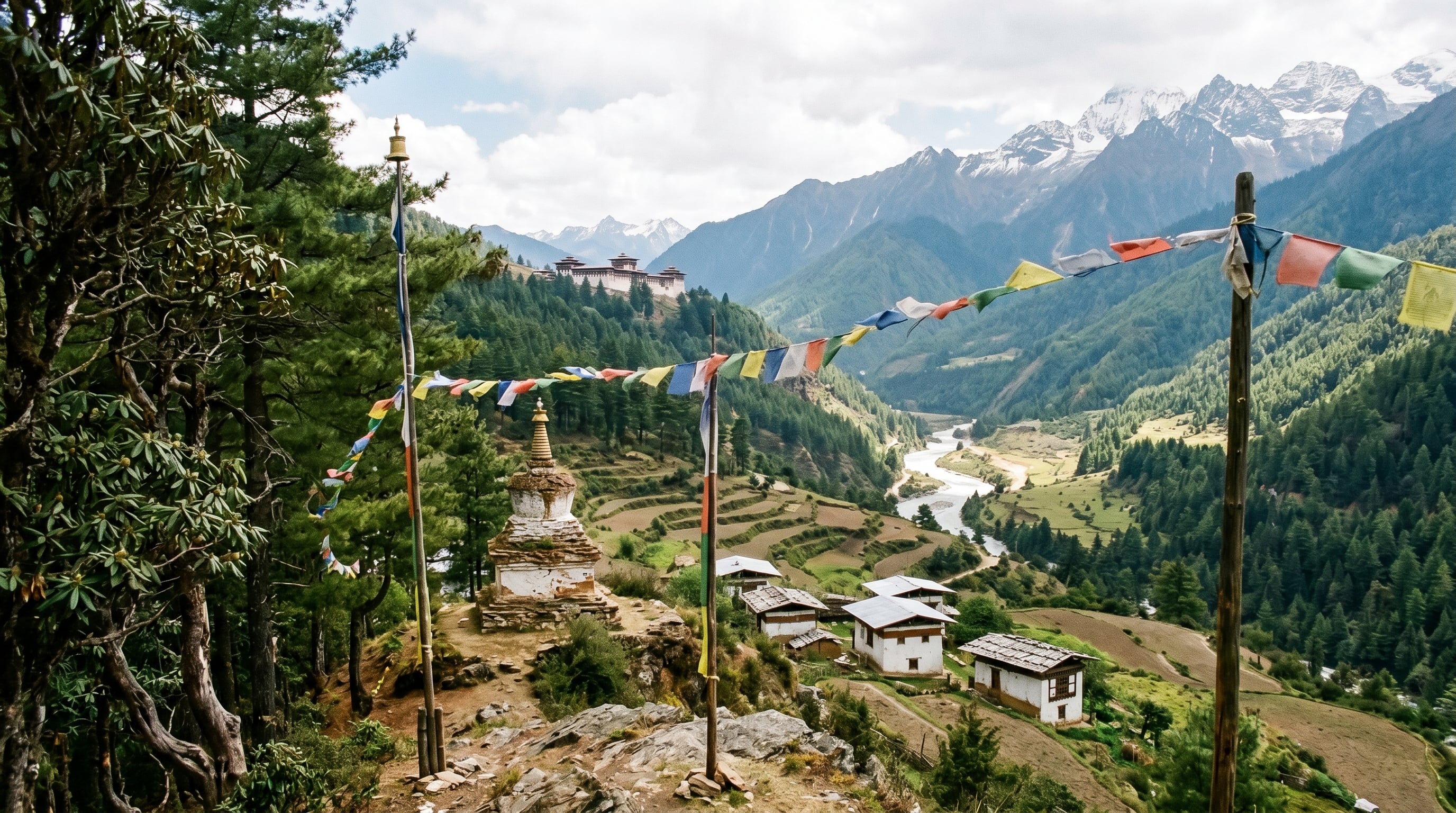
For those venturing into the interior, rural festivals often feature archery as a secondary celebration to the masked dances. In these settings, the sport is at its most raw and traditional. Watching a match in the shadows of an ancient fortress, such as Punakha Dzong, adds a layer of historical resonance that is difficult to replicate in Thimphu.
The Spectator's Etiquette
When attending a match, it is important to observe certain protocols. Spectators should remain behind the designated safety lines, as the arrows travel at significant speeds and the 145-meter range means the flight path can be affected by sudden gusts of wind. While the atmosphere is jovial, it is respectful to avoid walking across the range while an archer is at the crease.
For our guests, Bhutan & Co. can arrange for private lessons with a master archer. This provides a hands-on understanding of the difficulty involved in the sport. Attempting to pull a bamboo bow or aiming a compound bow at a distant target offers a profound appreciation for the skill displayed by the locals. It is not merely a game; it is a discipline that rewards patience, breath control, and a calm mind—the very tenets of Bhutanese philosophy.
Frequently Asked Questions
Is it safe to watch archery given the long distances?
Yes, provided you remain in the spectator areas. The archers are highly skilled, and traditional etiquette ensures that people stay clear of the flight path. However, always follow the guidance of your local guide, as the arrows are genuine weapons of significant force.
Can tourists participate in archery matches?
Tourists are generally not permitted to join official competitive matches due to the high skill level required. However, many luxury resorts and private guides can arrange for informal practice sessions where you can try your hand at the sport using either traditional or modern equipment.
When is the best time of year to watch archery?
Archery is a year-round passion in Bhutan, but the most festive atmosphere occurs during the weekends and during Losar (the Bhutanese New Year). Major tournaments typically take place in the spring and autumn, coinciding with the peak travel seasons.
Do women play archery in Bhutan?
While archery has traditionally been a male-dominated sport, more women are beginning to participate in modern competitions. However, in a traditional context, women play a crucial role as the singers and dancers who provide the rhythmic and psychological backdrop to the tournament.
Ready to experience Bhutan?
Our concierge team crafts private, all-inclusive journeys tailored to your interests.
Written by
Bhutan & Co. Editorial Team