Bhutanese Cuisine: A Luxury Traveler’s Guide to Ema Datshi and Beyond
Discover the nuanced flavors of the Himalayas. From the iconic ema datshi to wild-foraged matsutake mushrooms, explore the luxury traveler's guide to Bhutanese cuisine.
TLDR
A guide to navigating Bhutan's organic, chili-infused culinary landscape, focusing on the evolution of fine dining and regional specialties. Learn how luxury lodges are elevating traditional staples like ema datshi and red rice into high-altitude haute cuisine.
The Philosophy of Bhutanese Flavor
For the uninitiated traveler, the culinary landscape of Bhutan is often summarized by a single, formidable dish: ema datshi. However, to view Bhutanese gastronomy through the lens of spice alone is to overlook one of the world’s most sophisticated, terroir-driven food cultures. In the Kingdom of Bhutan, food is not merely sustenance; it is a spiritual and ecological expression. As a luxury traveler, understanding this nuance transforms a meal from a simple dining experience into a deep immersion into the kingdom’s heritage.
The Bhutanese palate is built upon a foundation of organic integrity. Long before "farm-to-table" became a global luxury trend, Bhutan was practicing it by default. With over 70% of the nation under forest cover and a national mandate for organic agriculture, the ingredients found in the kitchens of Paro, Thimphu, and Punakha are of a quality rarely encountered in the West. From the mineral-rich red rice of the high valleys to the wild-foraged matsutake mushrooms of the Ura Valley, the purity of the raw product is the true hallmark of luxury here.
For those arriving via Drukair—Bhutan & Co.’s partner airline—the transition from the cosmopolitan hubs of Bangkok or Singapore to the high-altitude air of Paro is often accompanied by an immediate introduction to these bold flavors. Navigating this transition requires an appreciation for the three pillars of the Bhutanese table: heat, dairy, and grain.
The Anatomy of Ema Datshi and the Datshi Variant
Ema datshi (chilies and cheese) is the national dish, but it is also a culinary litmus test. Unlike most global cuisines where chilies are used as a seasoning or garnish, in Bhutan, the chili is treated as a primary vegetable. The heat is balanced by a rich, savory sauce made from datshi, a traditional cow’s milk cheese similar in texture to a farmhouse cheddar or a thick feta, depending on the producer.
Beyond the Red Chili
While the classic version uses dried red or fresh green chilies, the luxury traveler should seek out the more nuanced variations that appear on the menus of the kingdom's boutique retreats. These variants maintain the creamy, umami-rich base but replace the dominant heat with different seasonal protagonists:
- Kewa Datshi: Sliced potatoes cooked with cheese and butter. It is milder and serves as an excellent introduction for those sensitive to spice.
- Shamu Datshi: Local mushrooms (often shiitake or oyster) simmered in cheese. In late summer, lucky diners may find this prepared with the prized Sangay Shamu (matsutake).
- Sagay Datshi: A preparation utilizing local greens, such as spinach or turnip leaves, offering a more delicate flavor profile.
- Nuru: Dehydrated river weed that is flash-fried and often served alongside datshi dishes, providing a salty, oceanic crunch that contrasts the richness of the cheese.
For a deeper look into how these traditional ingredients are being elevated by global culinary standards, our guide to Himalayan Haute Cuisine explores the 2027 shift toward fine-dining interpretations of these rustic staples.
Terroir and Technique: The High-Altitude Pantry
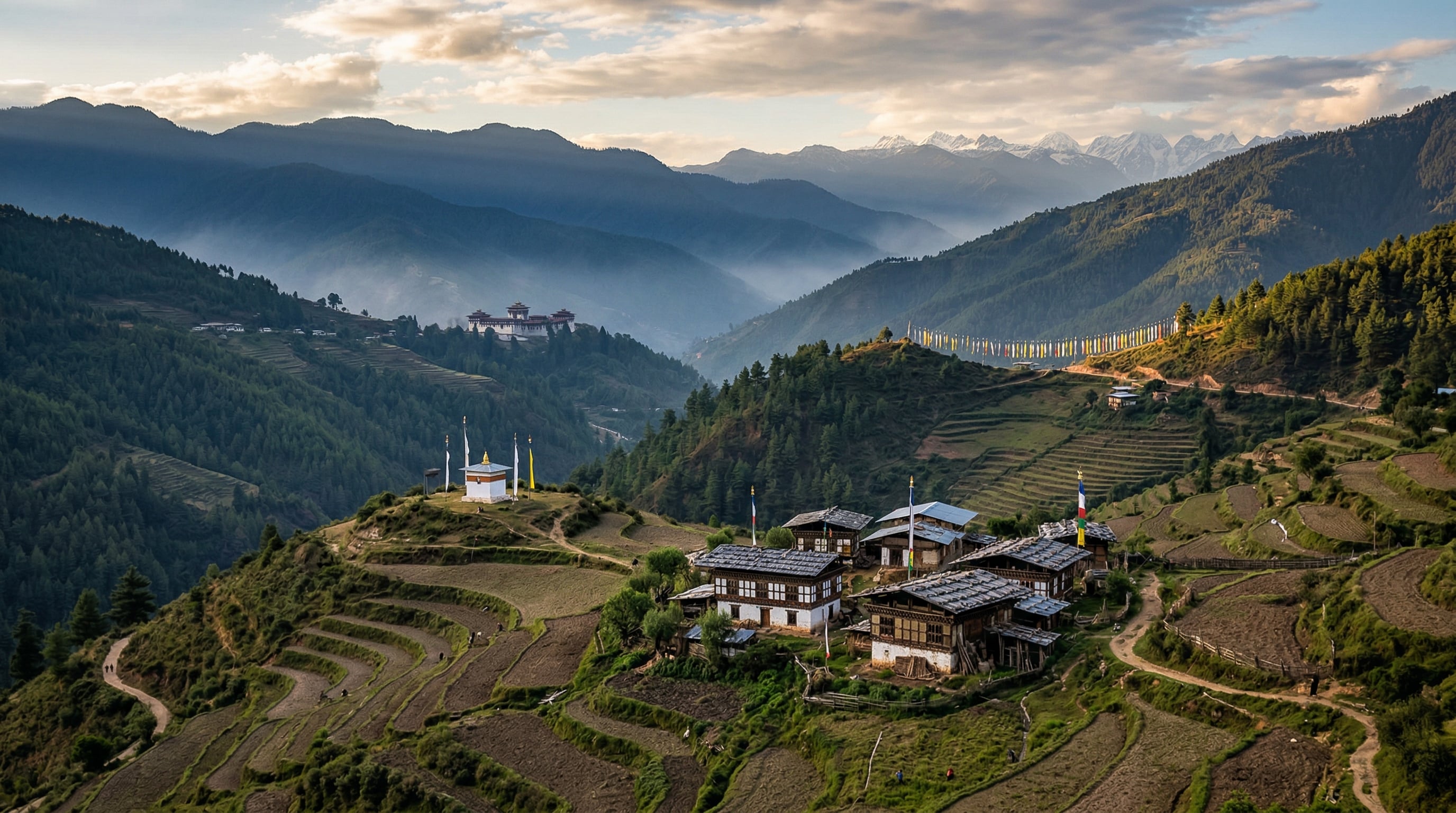
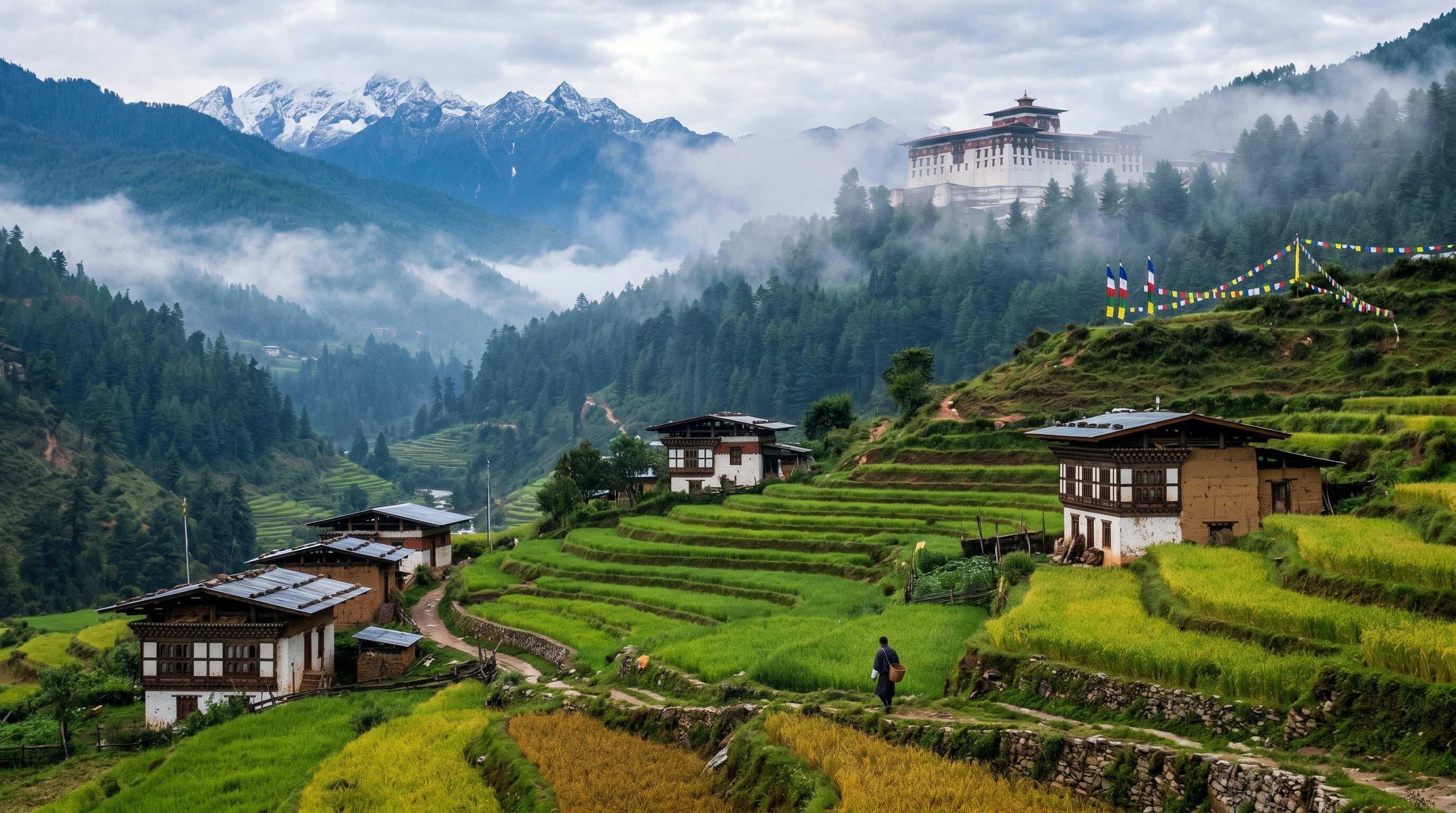
To understand the Bhutanese menu is to understand the geography of the Himalayas. The ingredients are dictated by the verticality of the land. In the lower valleys of Punakha, citrus and tropical fruits flourish, while the high plateaus of Phobjikha and Bumthang yield hardy grains and mountain herbs.
The staple of every Bhutanese meal is Bhutanese Red Rice (Eue Chum). Irrigated by glacial meltwater, this ancient grain is the only variety of rice that grows at such high altitudes. It has a nutty flavor and a firm, slightly chewy texture that acts as the perfect absorbent for the rich sauces of the kingdom. It is also exceptionally nutritious, retaining more minerals than polished white rice—a fact that aligns with Bhutan's holistic approach to wellness.
Meat in Bhutan is often air-dried or smoked, a traditional preservation method that imparts a deep, concentrated flavor. Sikkam (smoked pork belly) and Shakam (dried beef) are staples. In the luxury lodges of COMO or Six Senses, you will often find these meats slow-cooked for hours to reach a tenderness that belies their rustic origins.
| Ingredient | Season | Culinary Use | Luxury Highlight |
|---|---|---|---|
| Matsutake Mushroom | August – September | Sautéed or in Datshi | Wild-foraged in Ura Valley |
| Asparagus | April – June | Lightly blanched or stir-fried | Organic valley-grown, high mineral content |
| Yak Cheese (Chugo) | Year-round | Snack or grated into soups | Artisanal production in Laya and Gasa |
| Buckwheat (Puta) | Year-round | Hand-pressed noodles | Traditional Bumthang specialty |
The Evolution of the Bhutanese Dining Experience
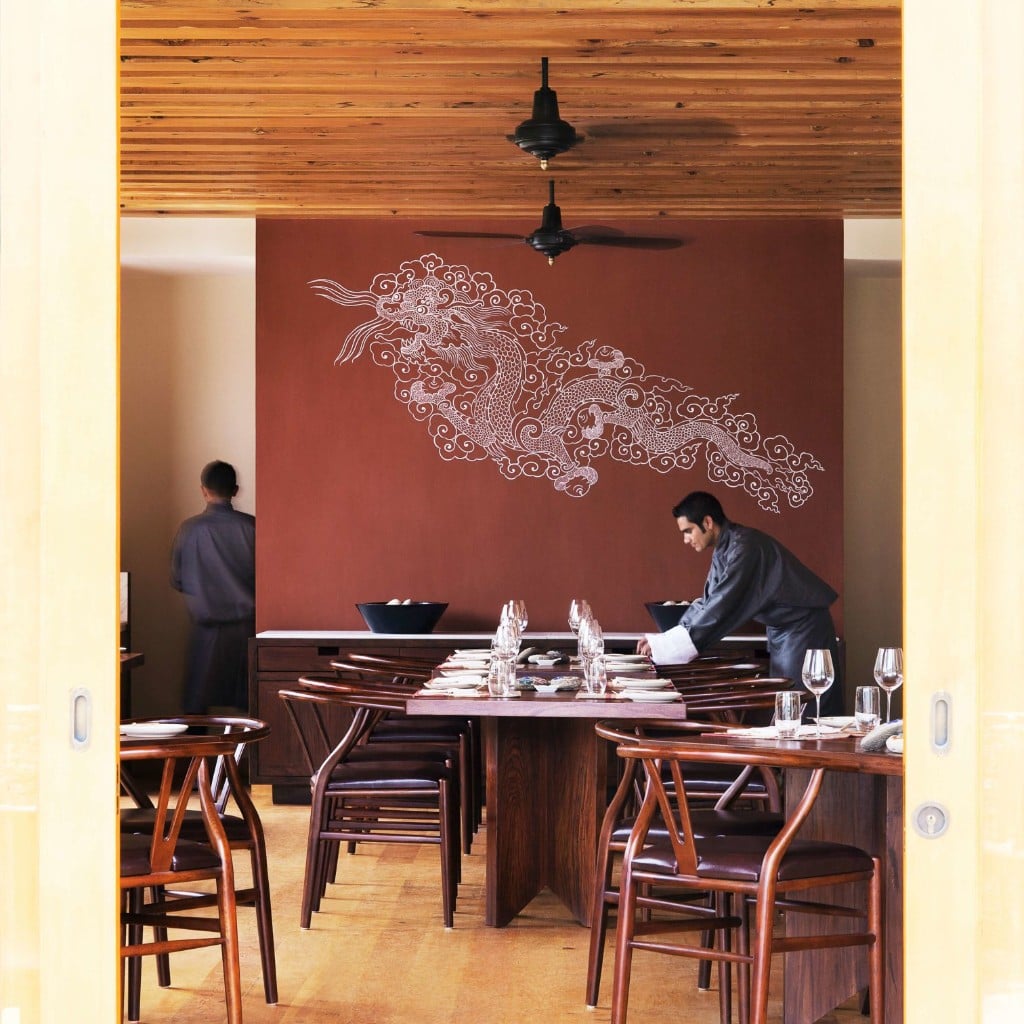
Historically, Bhutanese meals were communal, served in wooden bowls (dapa) with guests seated on the floor. While this authentic experience remains available at high-end homestays in the Haa Valley, the luxury sector has evolved to offer a more curated approach. Modern Bhutanese fine dining focuses on "The Conscious Kitchen"—a movement that emphasizes zero-waste and hyper-seasonal sourcing.
Propelled by the initiatives seen at properties like Six Senses Bhutan, the 2027 dining landscape is one of refinement. Chefs are increasingly deconstructing dishes like Jasha Maru (spicy minced chicken) or experimenting with fermented yak cheese to create contemporary appetizers. This evolution ensures that HNWIs, who may be accustomed to Michelin-starred standards, find a level of precision that matches the Kingdom's scenic grandeur.
When planning your culinary journey, consider a 10-day itinerary that traverses different ecological zones, allowing you to sample the diverse regional cuisines from the western valleys to the central highlands. For guidance on structuring such a trip, consult our itinerary planning guide.
Beverage Culture: From Suja to Ara
The Bhutanese beverage ritual is as significant as the meal itself. For the luxury traveler, this often begins with Suja (butter tea). Made by churning tea leaves, salt, and yak butter, it is more akin to a savory broth or a "bulletproof" coffee than a traditional tea. It is exceptionally warming and aids in altitude acclimatization.
For evening relaxation, Ara is the traditional spirit of choice. This clear, potent alcohol is distilled from rice, maize, or buckwheat. In a luxury context, Ara is often served warm, infused with butter and poached eggs, or subtly flavored with honey and local herbs. Beyond tradition, Bhutan has recently seen the rise of high-quality craft beverages, including Vintner’s Reserve wines and artisanal whiskeys like K5, which use pure Himalayan spring water as their base.
Frequently Asked Questions
Is Bhutanese food always spicy?
While chilies are a staple, luxury lodges and high-end restaurants are highly adept at adjusting the heat levels for international palates. You can enjoy the flavor profiles of the kingdom—creamy cheeses, hearty grains, and fresh vegetables—without the intense heat of traditional preparations.
What are the options for vegetarian and vegan luxury travelers?
Bhutan is perhaps one of the most vegetarian-friendly destinations in the world due to its Buddhist heritage. Most traditional dishes are naturally vegetarian, based on cheese, vegetables, and grains. Vegan travelers will find plenty of options including red rice, fern salads, and lentil soups (dal), though the prevalence of cheese in Bhutanese cooking requires clear communication with your chef.
Can I experience a traditional Bhutanese meal in a private setting?
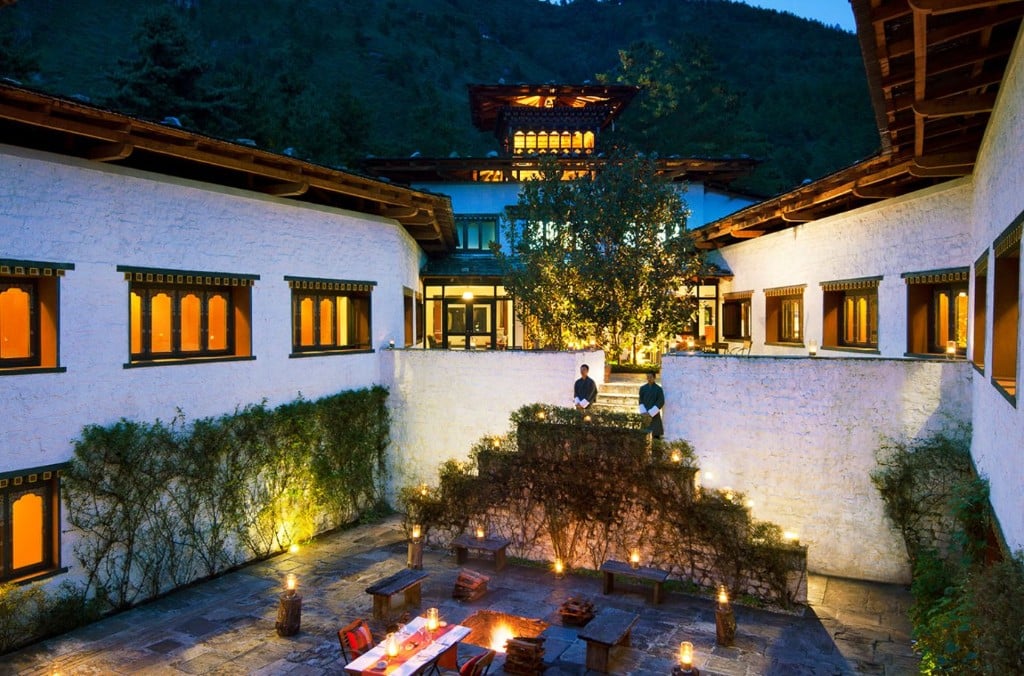
Yes. Bhutan & Co. can arrange private dining experiences, including riverside picnics in Punakha or candlelit dinners in ancient lhakhangs (temples) or farmhouses, where the food is prepared using traditional methods but served with the service standards of a five-star resort.
What is the most prized ingredient I should look for?
The Matsutake mushroom is the most sought-after seasonal delicacy. If you are traveling between August and September, ensure you request a tasting menu that features these wild-foraged mushrooms, particularly in the Bumthang region.
Ready to experience Bhutan?
Our concierge team crafts private, all-inclusive journeys tailored to your interests.
Written by
Bhutan & Co. Editorial Team