COMO Uma vs Amankora: How Bhutan's Two Luxury Approaches Compare
COMO Uma and Amankora represent two distinct philosophies of luxury in Bhutan: an intimate two-property base-camp model versus a five-lodge circuit spanning the kingdom. Here's how they differ in design, wellness, itinerary structure, and who they suit best.
TLDR
COMO = 2 properties (Paro 29 rooms, Punakha 11 rooms), contemporary elegance, wellness-focused, base-camp exploration. Amankora = 5 lodges (76 rooms total), traditional fortress design, multi-valley circuit. COMO suits wellness seekers and those who prefer settling in; Amankora suits travellers who want to move through more valleys. For a three-way view, see our Amankora vs Six Senses comparison.
Two Philosophies of Himalayan Luxury
Bhutan's ultra-luxury landscape is dominated by a handful of brands, each with a distinct approach. COMO Uma and Amankora sit at the top tier — but they could hardly be more different. COMO offers an intimate two-property model with a strong wellness focus. Amankora offers a five-lodge circuit that moves you across the kingdom. As a Preferred Partner of COMO Uma Bhutan, Bhutan & Co. has deep experience with both brands. This comparison is designed to help you choose, or to understand how COMO fits alongside the broader Bhutan luxury market.
If your priorities skew toward spiritual and monastic access—private blessings, butter-lamp offerings, or audiences arranged through credible operators—those experiences depend on relationships that cut across brands; our guide to private monastery blessings explains how schedules and etiquette work regardless of which lodge you prefer.
Philosophy and Model
COMO Uma follows a base-camp philosophy. You settle into COMO Uma Paro or COMO Uma Punakha and explore from there. Day excursions radiate outward; you return each evening to the same room, the same staff, the same spa. The emphasis is on depth over breadth — getting to know two valleys intimately rather than passing through five.
Amankora follows a circuit philosophy. Five lodges — Paro, Thimphu, Punakha, Gangtey, Bumthang — are designed to be experienced as a journey. You move every two or three nights, covering more of the kingdom in a single trip. The model rewards those who want comprehensive national coverage and the variety of constantly changing scenery.
Properties and Scale
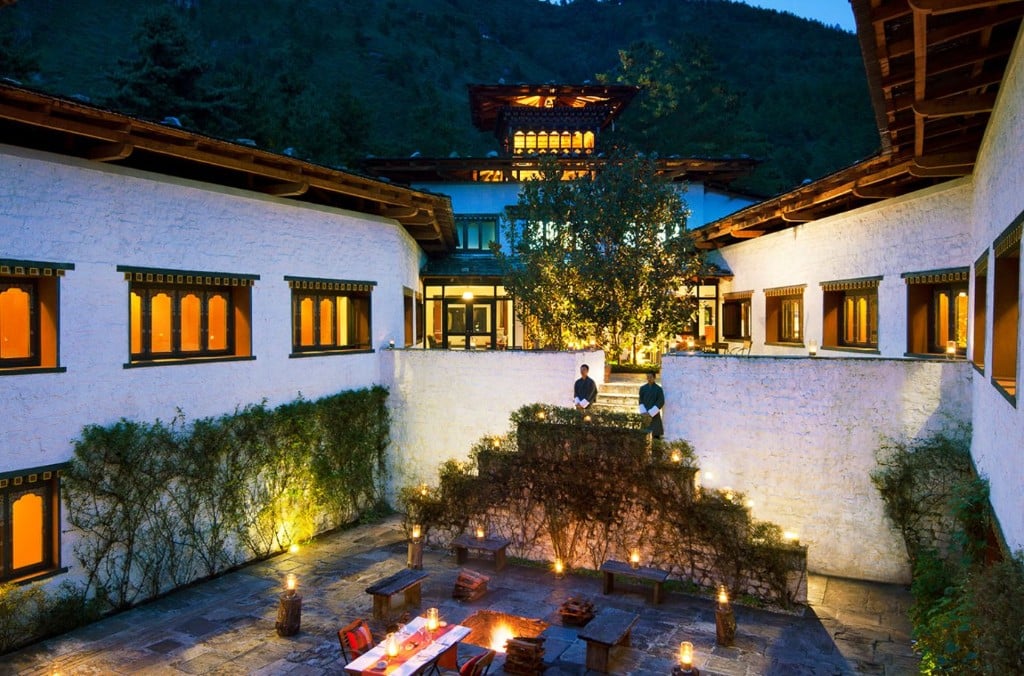
COMO operates two properties: 29 rooms and villas at Paro, 11 at Punakha — 40 keys total. The lodges feel like intimate retreats rather than hotels. Paro is the larger, with a full COMO Shambhala Retreat (pool, gym, yoga studio, four treatment rooms). Punakha is deliberately smaller, with a hillside spa and riverside tranquillity.
Amankora operates five lodges with approximately 76 rooms across the kingdom. Each lodge has a distinct character — Paro's forest setting, Thimphu's capital proximity, Punakha's riverside, Gangtey's valley views, Bumthang's spiritual heartland. The circuit model means you experience more locations but with more packing and driving.
Design Aesthetic
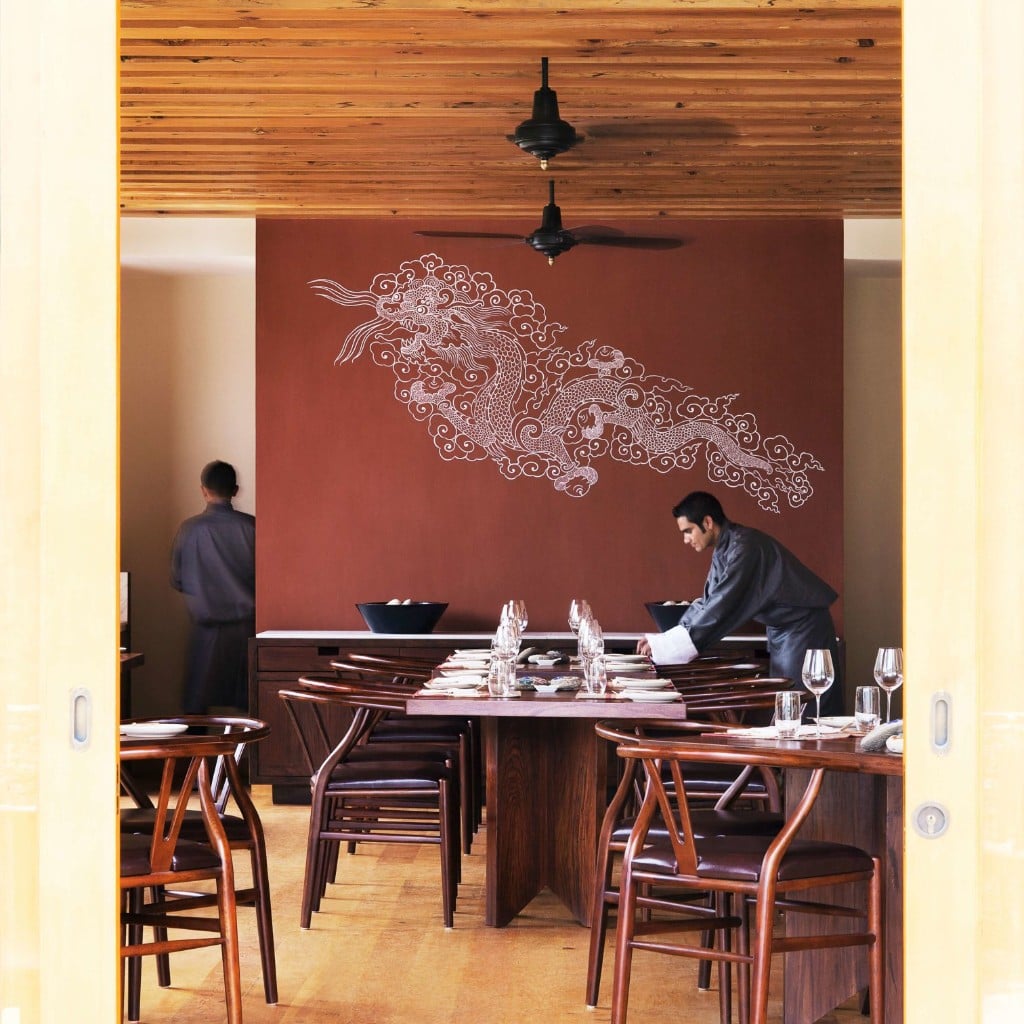
COMO Uma favours contemporary elegance. Clean lines, natural materials, floor-to-ceiling windows, and a light colour palette. The design feels modern and uncluttered — more Malibu than medieval. COMO Shambhala wellness is integrated throughout; the spaces invite rest and rejuvenation.
Amankora draws on traditional Bhutanese fortress (dzong) architecture. Stone, wood, and earth tones dominate. The lodges feel rooted in place — like refined versions of the kingdom's ancient structures. The aesthetic is more traditional and fortress-like.
Wellness
COMO leads with wellness. COMO Shambhala is a core brand pillar — at Paro, the retreat includes four treatment rooms, two hot stone bathhouses, an indoor pool, gym, yoga studio, and bespoke programmes (Detox, Revitalize, Himalayan Rejuvenation). Punakha offers a more intimate spa with a hillside hot stone bathhouse. Daily yoga is complimentary at Paro.
Amankora offers spa and wellness at each lodge, but it is not the primary focus. The emphasis is on exploration and cultural immersion rather than dedicated wellness retreats. Treatments are available; the facilities are smaller and less central to the experience.
Itinerary Structure
COMO journeys typically alternate between Paro and Punakha — the classic split is four nights Paro, two nights Punakha, connected by the scenic drive over Dochula Pass. Shorter stays (3–5 nights) may remain entirely at Paro. Longer journeys (9–10 nights) add trekking or camping. You rarely move more than once or twice in a week.
Amankora journeys are built around the five-lodge circuit. A typical 7–10 night itinerary might include Paro, Thimphu, Punakha, and Gangtey — or extend to Bumthang for the full kingdom traverse. You are in motion more often, with the reward of seeing more valleys.
Dining
Both offer high-quality, locally influenced cuisine. COMO's Bukhari restaurants (at both properties) source from organic kitchen gardens and local farmers; the COMO Shambhala Kitchen offers nutrition-optimised options. Amankora serves refined Bhutanese and international dishes in each lodge's dining room. Neither has a significant edge — both deliver excellent food in distinctive settings.
Pricing and Best-For Profiles
Both sit in the ultra-luxury tier. Pricing is comparable for similar trip lengths, though COMO's two-property model can be slightly more economical for shorter stays (fewer internal transfers, less complexity).
Choose COMO Uma if you want wellness as a central part of your trip, prefer settling into one or two bases rather than constantly moving, value contemporary design and intimacy, and want strong spa and yoga offerings. Ideal for couples, wellness seekers, and first-time visitors who want a curated introduction without the complexity of a five-lodge circuit.
Choose Amankora if you want to cover more of Bhutan in one trip, prefer traditional fortress aesthetics, enjoy the rhythm of moving between lodges, and want to include valleys like Gangtey or Bumthang that COMO does not serve directly. Ideal for comprehensive explorers and those who have already experienced Paro and Punakha.
Comparison at a Glance
| Factor | COMO Uma | Amankora |
|---|---|---|
| Properties | 2 (Paro, Punakha) | 5 (Paro, Thimphu, Punakha, Gangtey, Bumthang) |
| Total Rooms | 40 (29 + 11) | ~76 across 5 lodges |
| Design | Contemporary, light, wellness-oriented | Traditional dzong-inspired, fortress aesthetic |
| Wellness | Full COMO Shambhala — pool, yoga, hot stone baths, programmes | Spa at each lodge, less central to experience |
| Itinerary Model | Base-camp — settle in, explore from 1–2 properties | Circuit — move every 2–3 nights across 5 valleys |
| Best For | Wellness, intimacy, first-timers, couples | Comprehensive exploration, multi-valley journey |
The Third Option: Six Senses
For a three-way perspective, our Amankora vs Six Senses Bhutan comparison adds Six Senses' five-lodge model into the mix. Six Senses shares Amankora's circuit structure but with a different design language and wellness approach. Together, these three brands define Bhutan's luxury landscape — and understanding their differences is the first step to choosing the right fit.
As COMO's Preferred Partner, Bhutan & Co. specialises in COMO Uma journeys but can advise on the broader landscape. Browse our COMO journeys or contact our concierge to begin planning.
Ready to experience Bhutan?
Our concierge team crafts private, all-inclusive journeys tailored to your interests.
Written by
Bhutan & Co. Editorial Team