The Divine Madman's Legacy: Bhutan's Beloved Maverick Saint
Meet Drukpa Kunley, the 15th-century 'Divine Madman' whose unconventional teachings revolutionized Bhutanese Buddhism. Follow his trail through temples that celebrate human nature rather than suppressing it—and understand why Bhutan embraces a saint who broke every rule.
TLDR
Drukpa Kunley, the Divine Madman, taught through outrageous behavior and earthy humor. His temple Chimi Lhakhang draws fertility pilgrims, while the Trans Bhutan Trail passes sites associated with his wanderings. His legacy explains Bhutan's distinctly joyful approach to spirituality.
The Saint Who Shocked Everyone to Enlightenment
In a culture where Buddhism might seem synonymous with austere monasticism, Bhutan cherishes a saint who drank, seduced, and deliberately offended religious authorities. Drukpa Kunley, the 15th-century wanderer known as the Divine Madman, shattered every conventional expectation of holy behavior—and in doing so, became one of Bhutan's most beloved spiritual figures.
His legacy pervades Bhutanese culture in unexpected ways: the phallic symbols painted on houses, the fertility temple that draws hopeful couples from around the world, the distinctly irreverent humor that runs through Bhutanese spirituality. Understanding the Divine Madman means understanding why Bhutan's Buddhism feels different from its neighbors.
The Historical Figure
Born in Tibet around 1455 into a noble family, Drukpa Kunley received extensive Buddhist training before abandoning conventional monasticism. His subsequent life of wandering, teaching through shocking behavior, and composing often-explicit spiritual songs brought him eventually to Bhutan, where his impact proved most enduring.
His method, in Buddhist terms, embodied "crazy wisdom"—the deliberate use of unconventional behavior to shatter students' concepts and provoke direct realization. When Kunley encountered pretentious monks, he deflated their pride through mockery. When he met simple villagers, he taught through songs they could remember. When he confronted local demons (understood as both psychological obstacles and literal entities), he subdued them through methods polite texts decline to describe directly.
The Fertility Temple: Chimi Lhakhang
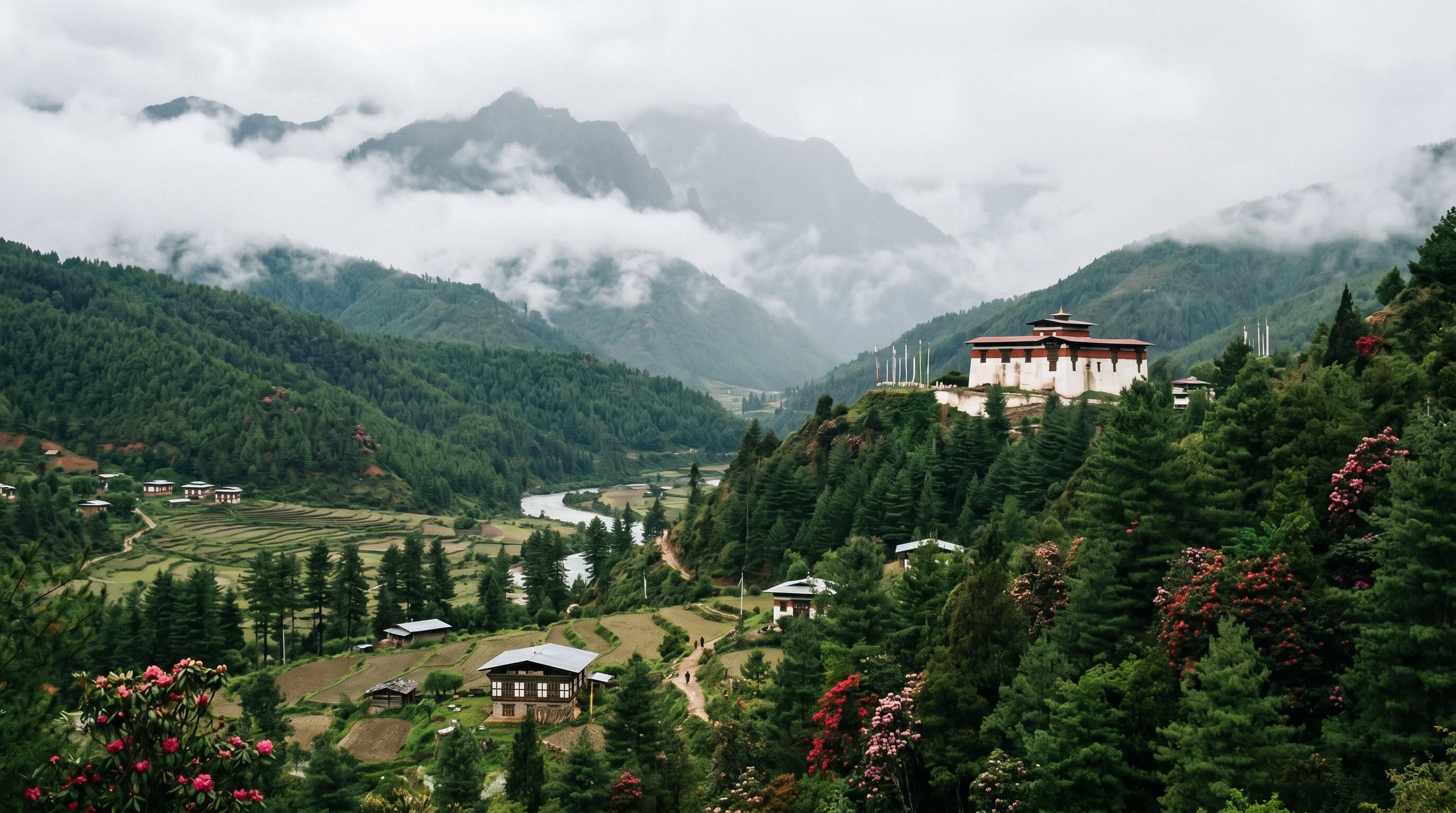
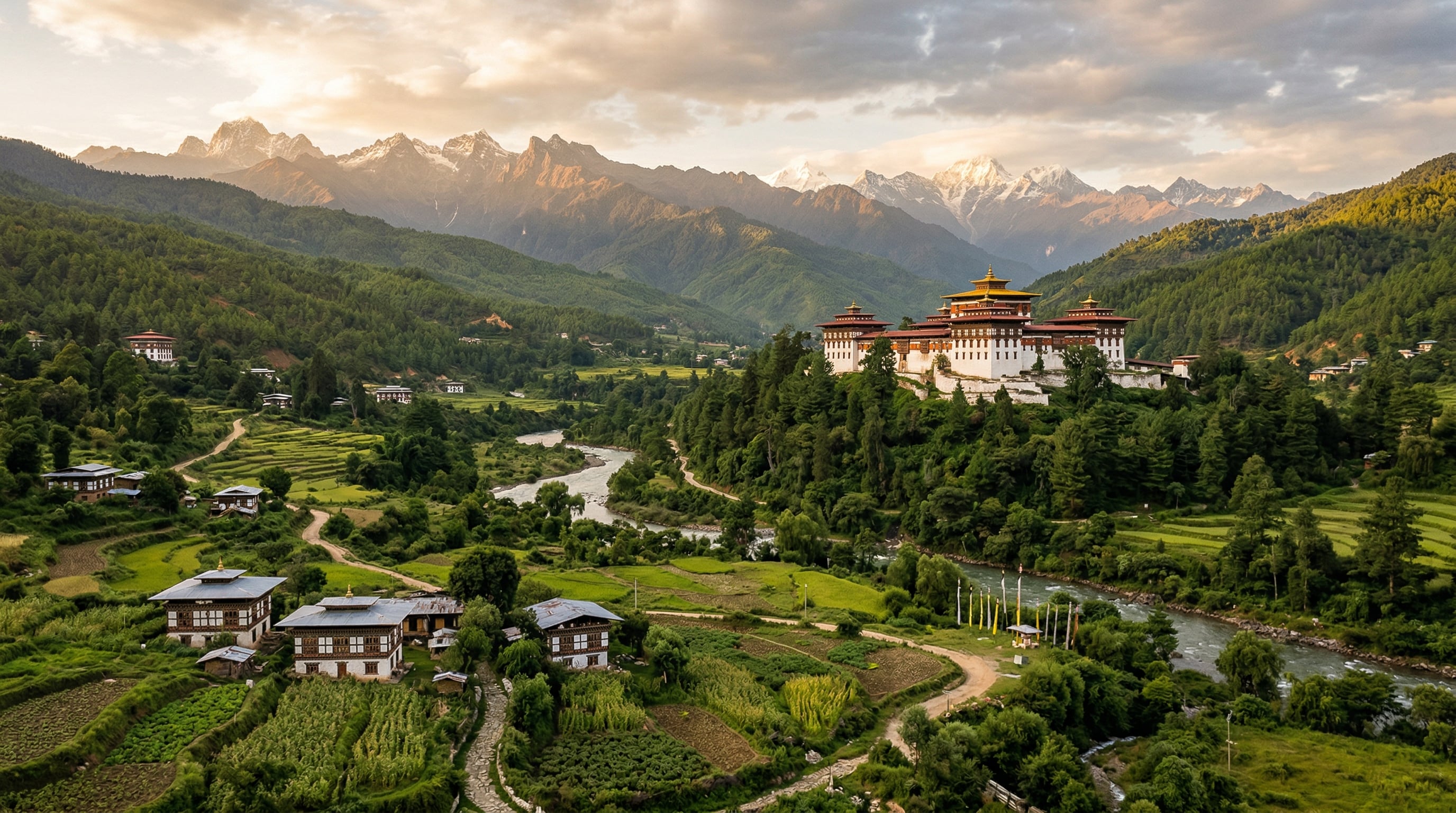
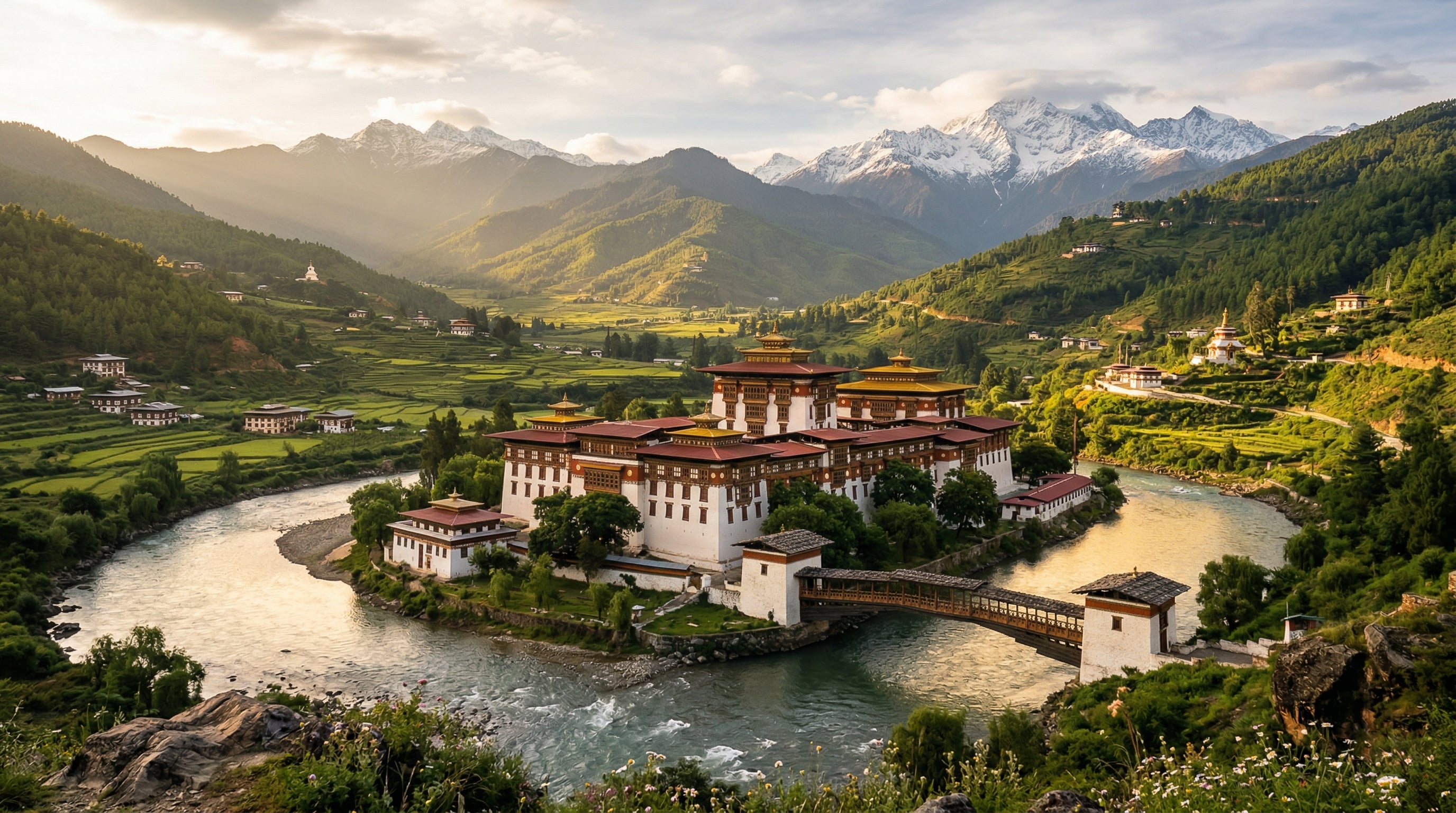
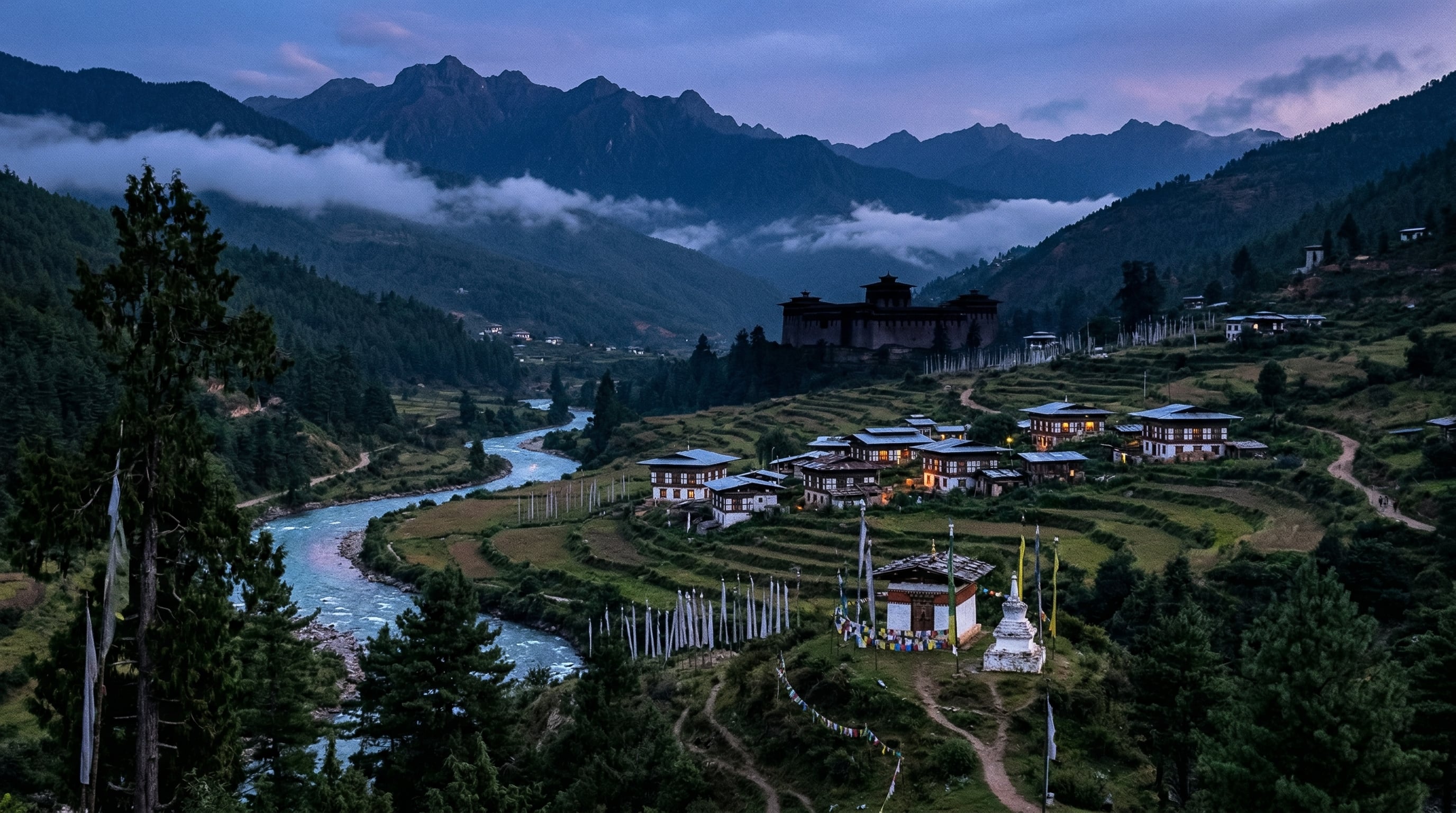
The temple most associated with Drukpa Kunley sits in a small hill in the Punakha Valley. Chimi Lhakhang, reached by a pleasant walk through the Punakha Valley's rice paddies, marks the spot where the Divine Madman famously subdued a local demoness using a weapon described as the "flaming thunderbolt of wisdom"—a phrase whose double meaning loses nothing in translation.
Today, the temple draws couples seeking blessings for fertility. The resident monk performs a particular blessing, tapping visitors with a wooden phallus and reciting prayers for conception. Countless testimonials attribute successful pregnancies to this blessing, and parents sometimes return to name their child after the officiating monk as thanks.
The ritual might shock visitors expecting solemn Buddhist ceremony. Yet it encapsulates Drukpa Kunley's teaching method: using natural human desires as vehicles for spiritual connection rather than obstacles to overcome. The blessing celebrates life force rather than transcending it.
Following the Divine Madman's Trail
The renovated Trans Bhutan Trail passes through regions associated with Drukpa Kunley's wanderings. Several segments particularly evoke his legacy:
Dochula to Toeb Chandana: This section from the famous 108 chortens at Dochula Pass descends through forests where Kunley reportedly wandered, arriving at temples that preserve his memory.
The Punakha Valley: Beyond Chimi Lhakhang, the valley contains sites associated with various Divine Madman legends, each more outrageous than the last.
Local Temple Visits: Many village temples throughout Bhutan claim association with Kunley, often featuring images of him in his characteristic pose—usually with a bow, arrows, and a dog companion.
The Phallic Tradition
First-time visitors to Bhutan often express surprise at the painted phalluses adorning traditional houses—sometimes realistic, sometimes fantastically exaggerated, often depicted with flames, eyes, or ribbons. These images trace directly to Drukpa Kunley's teaching method and serve multiple functions:
- Protection: The symbols ward off evil spirits and jealousy
- Fertility: Blessing homes with life force and prosperity
- Reminder: Of the Divine Madman's teaching that life energy deserves celebration, not suppression
While modern urban buildings increasingly omit these decorations, rural Bhutan still maintains the tradition. The symbols appear without embarrassment—a reminder that Bhutanese culture integrates sexuality within spiritual life rather than opposing them.
The Teaching Method: Sacred Outrageousness
Drukpa Kunley's songs and stories, preserved in popular tradition, reveal his pedagogical approach:
Meeting a pompous monk obsessed with textual learning, Kunley might demand the monk explain his understanding—then mock the answers as mere concepts disconnected from lived experience.
Encountering villagers caught in superstitious fear of local spirits, he might seduce the spirit's human representatives, demonstrating that supernatural terrors dissolved when met with fearless humanity.
Asked by noblemen to perform elaborate rituals, he might arrive drunk, insult the hosts, and leave having somehow transformed everyone's understanding.
This approach—technically classified as the "action" or "conduct" path in tantric Buddhism—accelerates spiritual development by breaking conventional patterns. Most masters won't attempt it; fewer still succeed. Drukpa Kunley's genius lay in maintaining genuine compassion beneath outrageous exterior.
Contemporary Resonance
Why does Drukpa Kunley matter for modern visitors? His legacy illuminates several distinctive features of Bhutanese culture:
Integration over suppression: Bhutanese Buddhism incorporates human nature rather than fighting it. The acceptance of desire as spiritual energy distinguishes this approach from more ascetic traditions.
Humor as teaching: The Bhutanese love of jokes, including jokes about spiritual matters, traces to the Divine Madman's example. Laughter here isn't irreverence but a tool for awakening.
Authentic over conventional: Kunley represented direct experience against ritualized religion. This preference for the genuine persists in Bhutanese spiritual culture.
Celebration of life: The fertility blessings, the phallic symbols, the songs about drinking and loving—all affirm that spiritual development need not require life-denial.
Visiting Chimi Lhakhang
Practical details for visiting the fertility temple:
Access: A 20-minute walk through rice paddies from the road. The path crosses an arched footbridge and climbs gently to the temple.
Fertility blessing: Available from the resident monk during temple hours. A small donation is customary.
Photography: Exterior photography permitted; interior photography typically prohibited.
Dress: Modest clothing covering shoulders and knees.
Best timing: Morning visits avoid afternoon heat. The walk itself is pleasant in good weather.
The Deeper Teaching
Beyond fertility blessings and colorful stories, Drukpa Kunley embodied a profound spiritual principle: awakening emerges not from escape from humanity but from its fullest embrace. His methods, impossible to systematize, pointed toward freedom beyond all systems.
For visitors, his legacy offers something refreshing in a world of packaged spirituality: a tradition that laughs at its own solemnity, celebrates before it transcends, and considers joy itself a spiritual accomplishment.
The Divine Madman would probably mock anyone who made his teachings too serious. Yet his spirit infuses Bhutanese culture with a distinctive lightness—a reminder that the thunder in Thunder Dragon Kingdom includes the thunder of laughter.
Ready to experience Bhutan?
Our concierge team crafts private, all-inclusive journeys tailored to your interests.
Written by
Bhutan & Co. Editorial Team