Private Monastery Blessings in Bhutan: How Access Really Works
Private blessings and lama audiences are possible in Bhutan—but they are never ‘booked’ like a dinner reservation. This guide explains what serious travellers should expect, how monastic time actually works, and how credible operators fit inside Bhutan’s religious institutions.
TLDR
Blessings and private moments in monasteries hinge on trust, timing, and monastic calendars—not marketing claims. The Dratshang (central monastic body) and individual dzongs set the rhythm. Operators with long relationships can propose appropriate arrangements; visitors bring humility, dress, and patience. For lodge choice and trip architecture, pair this with our luxury comparisons and SDF planning.
What this guide is (and is not)
It is a plain-language explanation of how private spiritual moments in Bhutanese monasteries actually function—written for travellers who have already seen the marketing language elsewhere and want clarity before they invest time and money.
It is not a catalogue of ceremonies you can tick off like spa treatments. Senior monastics do not sell blessings; they may offer them when context, timing, and introductions align. If you are comparing lodges and routes first, our Amankora vs Six Senses overview (and for COMO specifically, COMO Uma vs Amankora) explains trip shape; the SDF guide covers Bhutan’s visitor economics; COMO Uma Bhutan is our preferred partner collection for guests who want that lens on the journey.
If you are weighing longer contemplative stays versus shorter ceremonial depth, read meditation retreats in Bhutan alongside this piece—many guests end up blending both.
The difference between watching and participating
Almost every visitor enters monasteries: painted halls, butter lamps, monks at prayer. Those moments are real, yet often observational—the group looks in from the edge of the ritual field.
Private or semi-private participation—lighting lamps with explanation, sitting for a concise blessing, being present during morning prayers before day-trippers arrive—feels different because attention is reciprocal. The monastery is not performing for an audience; you are briefly inside the rhythm of its day.
That shift is why access is guarded. Mass tourism would collapse the same atmosphere travellers cross the world to feel.
Understanding the monastic structure (why ‘connections’ matter)
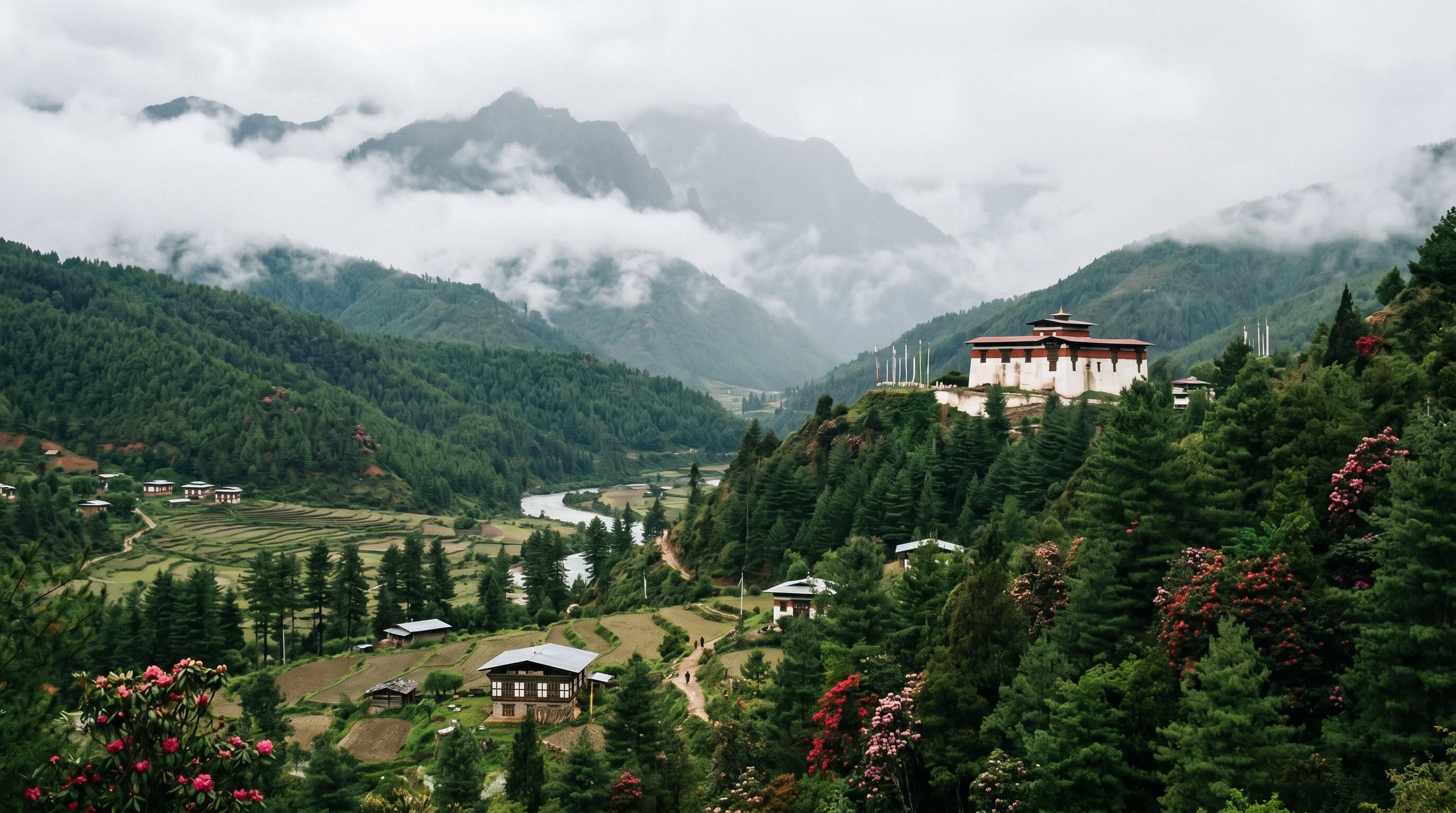
Bhutan’s monastic community operates under institutions most visitors glimpse only from the outside. The Je Khenpo and the broader Dratshang framework coordinate thousands of monastics across dzongs and temples. Seasonal moves—such as parts of the community wintering in warmer valleys—are not tourist programming; they are ecclesiastical logistics hundreds of years deep.
When a respected operator speaks of ‘relationships,’ they mean sustained presence: knowing which cloister is in retreat week, which upstairs chapel is closed for restoration, and which senior teacher might welcome a brief audience after morning office—not trading favours, but working within monastic courtesy.
This is also why ‘pay more, get more’ breaks down quickly. Money funds travel logistics and respectful offerings; it cannot override monastic discretion.
Private butter lamp ceremonies
Lighting butter lamps is one of Buddhism’s most direct offerings—light as wakefulness. Public lamp rooms welcome visitors; private or small-group versions allow time, narrative context, and fewer distractions.
Examples travellers sometimes arrange (always subject to calendars and permission):
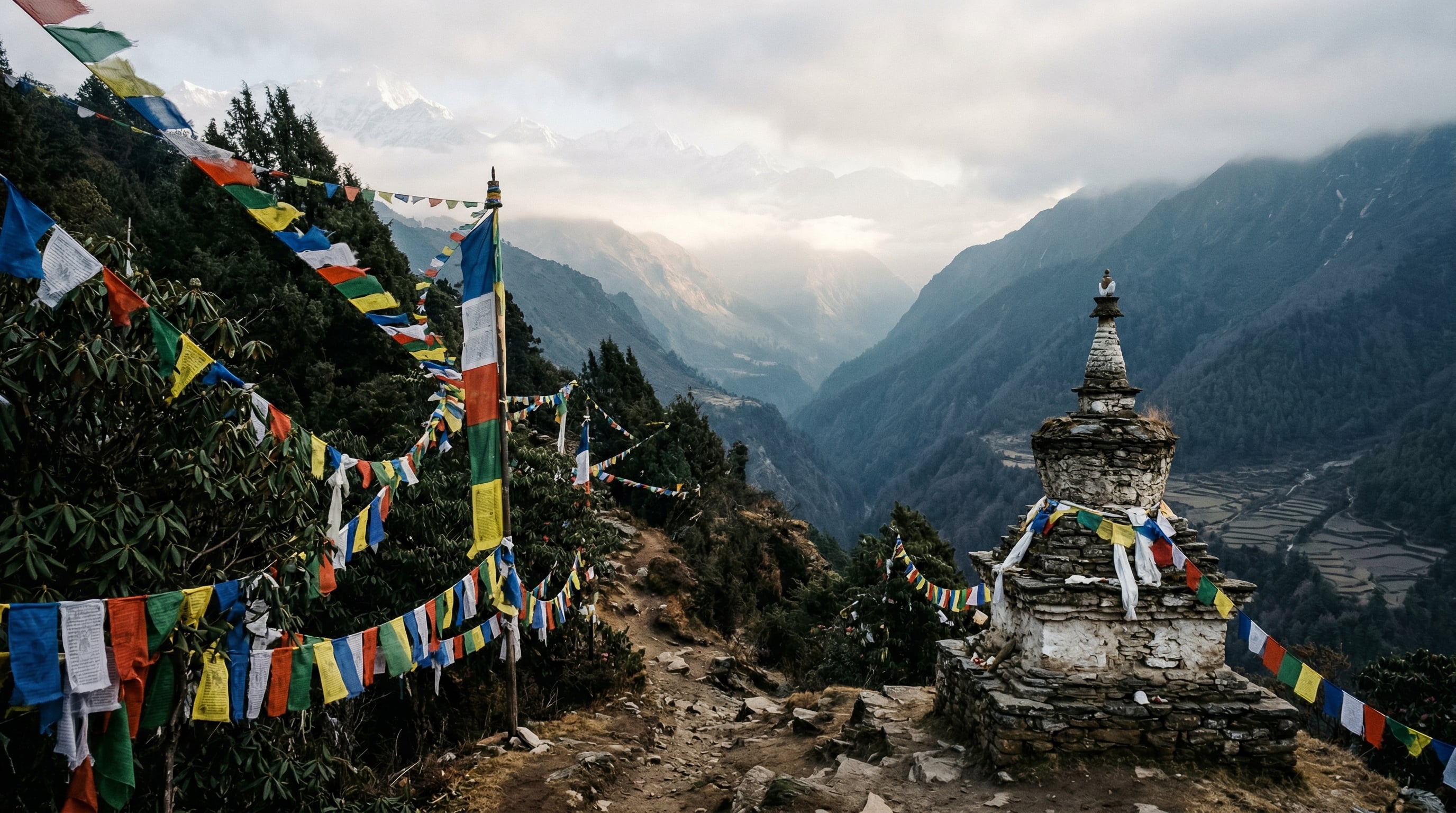
- Pre-dawn or early hours at Dochula Pass: among the 108 chortens, before coach traffic builds
- Altar offerings inside monasteries: brief explanation from a monastic or trained guide, then quiet offering time
- Consecrated or long-burn lamps: where a monastery maintains that practice—never assumed, always confirmed
The value is seldom theatrical. It is spatial: room to think, hear chant without competing whispered tours, and sense place before the day accelerates.
Personal blessings from senior teachers
A concise blessing or reading of aspiration prayers from a recognised teacher—sometimes called lung (oral transmission) in more formal contexts—can be emotionally potent even when the ritual lasts only minutes. What it is not: a scripted photo set or guaranteed private audience with a named rank on demand.
When something richer opens, it is usually because:
- The operator has history with that monastic house
- Dates avoid major rituals, exams, and closed retreat periods
- Visitors dress modestly, silence phones, and follow floor protocols
- Offerings (typically khatas and modest donations) are presented correctly
Spaces may be intimate—outer rooms or verandas rather than tourist halls. The depth is often in restraint: few words, precise gesture, sustained attention.
The Tshewang ceremony: longevity blessings
Tshewang centres on prayers for vitality and auspicious lifespan—bells, drums, and Sanskrit-derived liturgy at daybreak or in the half-light of a temple. It is materially different from a quick roadside blessing: longer, more structured, and bound to monastic schedules.
When Tshewang or similar longevity rites are arranged for guests, the day usually leaves breathing room afterward—sometimes a slow breakfast or a quiet drive—so the group is not rushed straight into adrenaline sightseeing. That pacing is part of the design, not an idle luxury.
Dzongs: spiritual architecture with civil life inside
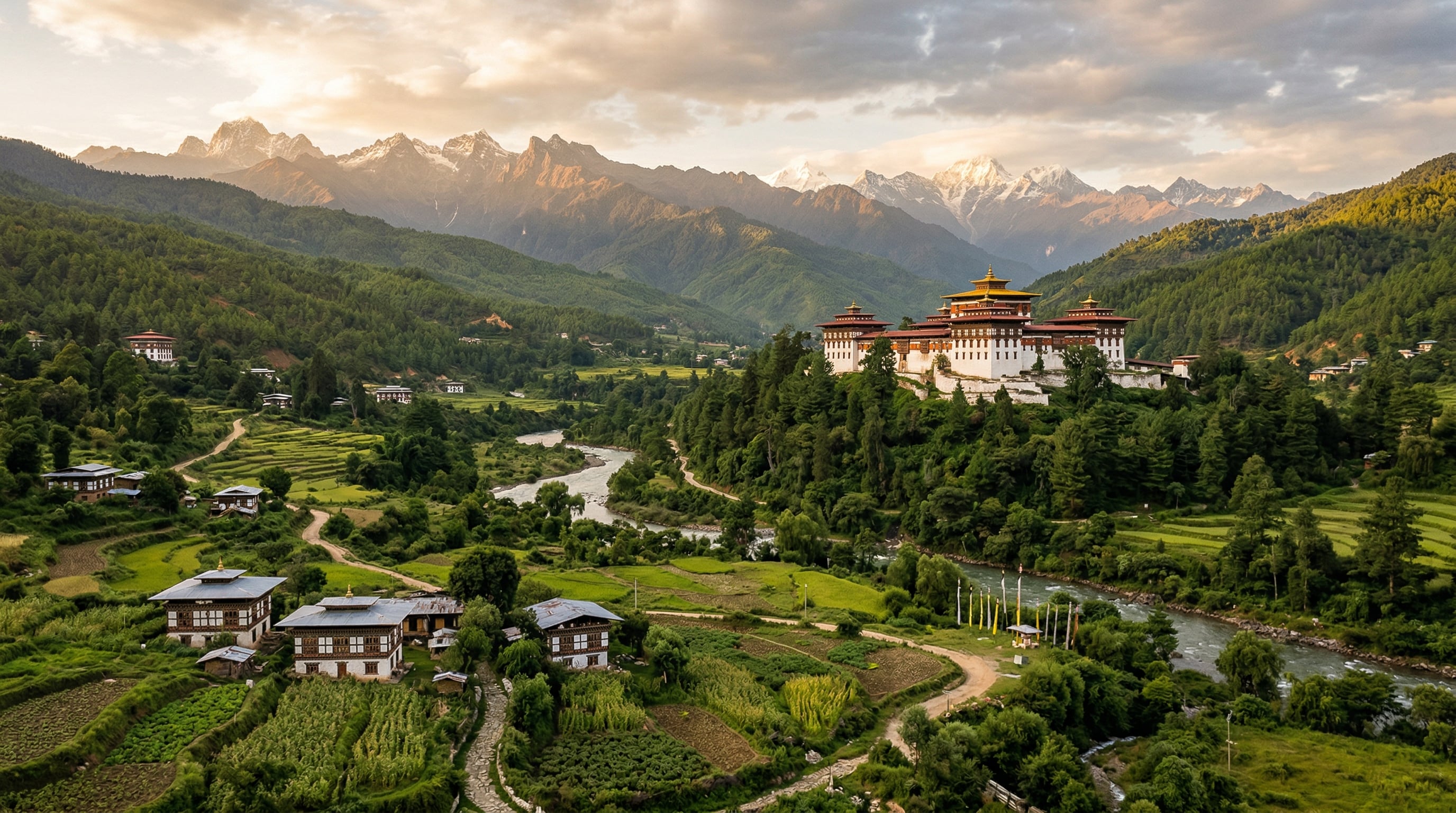
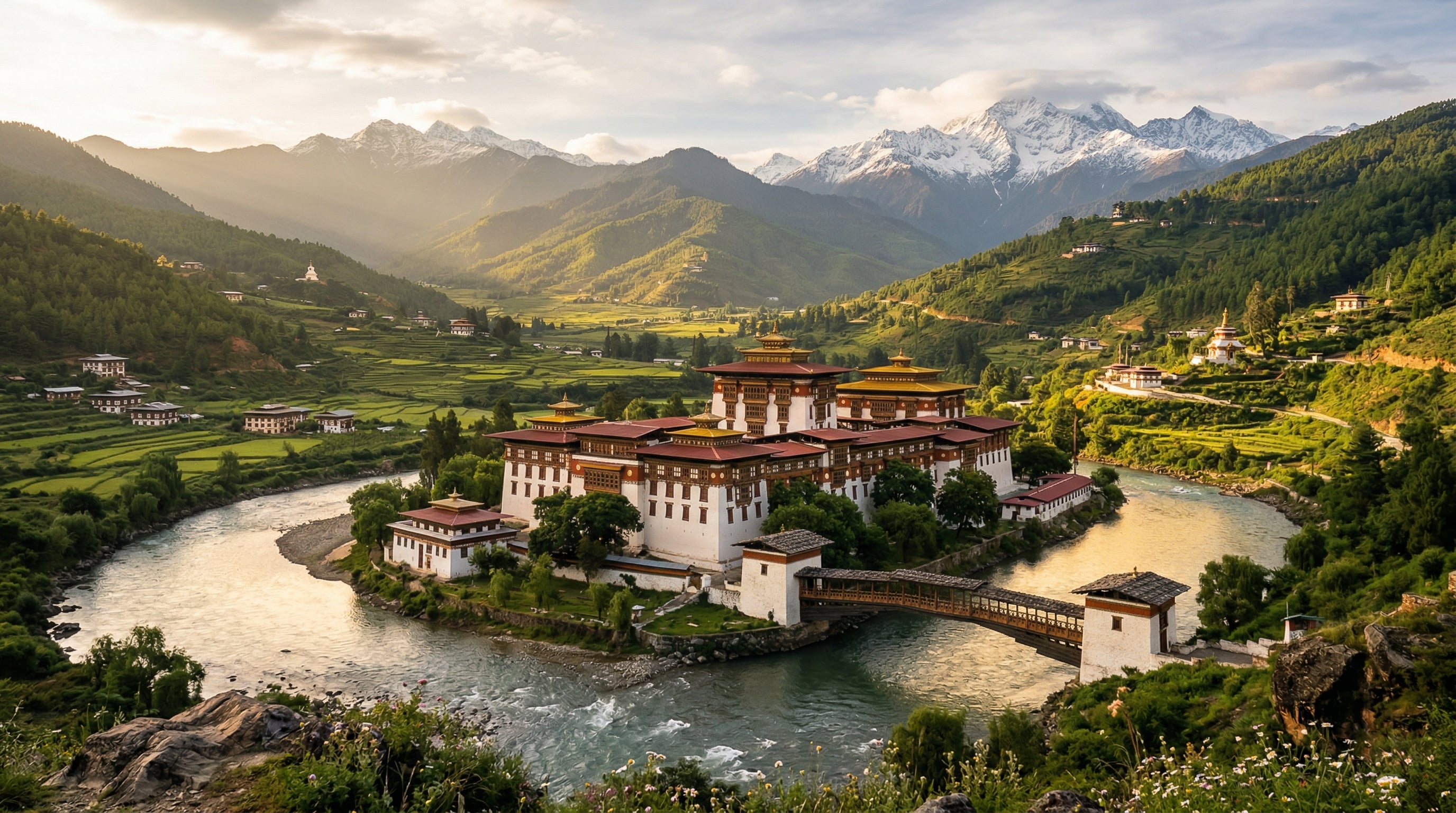
Dzongs hold courts, administration, and monastic quarters under one roof system. Private movement inside—upper chapels, morning prayer observation, festival-week logistics—depends on the dzong’s own rules and the monk body resident there.
Requests that sometimes surface (none guaranteed):
- Upper temple visits where staircases are not on the public circuit
- Morning prayer before visitor hours
- Festival-season context from monastic or administrative hosts
Treat every permission as contingent until the day confirms it—a habit good operators model for clients.
Choosing an operator who earns monastic trust
Practical questions worth asking any serious outfit:
- How long have you worked with the specific monasteries on this route?
- What happens when a monk house closes for ritual—what is Plan B?
- Will you brief us on dress, silence, photography boundaries, and offering norms?
- Do you distinguish tourism-facing temple visits from participatory spiritual time?
Confidence without specifics is a warning sign. So is promising named lamas or exact durations months ahead.
Your responsibilities as a guest
Dress: shoulders and knees covered; remove shoes where indicated; accept a kabney if offered.
Photography: assume forbidden in inner chapels; never photograph monks without explicit permission.
Offerings: khatas and cash donations, presented with both hands and a slight bow—amounts guided by your host.
Presence: phones away; follow the monk or guide’s cues; do not interrupt liturgy with cross-talk.
These behaviours weigh more than most travellers expect—they are read as sincerity.
How this connects to Bhutan’s wider bargain
Low-volume, high-care tourism is the kingdom’s explicit trade. The Sustainable Development Fee is the economic backbone; Gross National Happiness is the moral one. Monastic life is protected—not staged—because the whole policy stack treats culture as infrastructure, not costume.
Private access, when it appears, sits inside that philosophy: rare enough to stay genuine, structured enough to stay respectful.
Beyond performance: participation that stays with you
Done well, a blessing is not content for social media—it is a hinge point in a longer trip that may include Tiger’s Nest as pilgrimage, valley walks, and long valley drives. The through-line is attentiveness: the same quality that makes pre-dawn mountain light feel holy is the quality monastic hosts recognize when they nod approval and return to their office.
If this essay reads stricter than a brochure, that is intentional. Bhutan’s spiritual life is not a side quest unlocked by budget; it rewards guests who arrive already oriented toward restraint. For many travellers we serve, that orientation is the true luxury—and the reason the experience still exists.
Ready to experience Bhutan?
Our concierge team crafts private, all-inclusive journeys tailored to your interests.
Written by
Bhutan & Co. Editorial Team