The Tshewang Ceremony: Blessings for Longevity and Protection
Participate in a Tshewang, one of Buddhism's most cherished blessing ceremonies. Understand the rituals that bestow longevity, receive sacred substances from high lamas, and experience spiritual protection that extends far beyond your visit to Bhutan.
TLDR
Tshewang longevity ceremonies offer personal blessings from senior monks, including empowerments, sacred substances, and protective cords. Private ceremonies can be arranged at Gangtey Goempa and other monasteries through luxury operators with monastic connections.
The Gift of Long Life
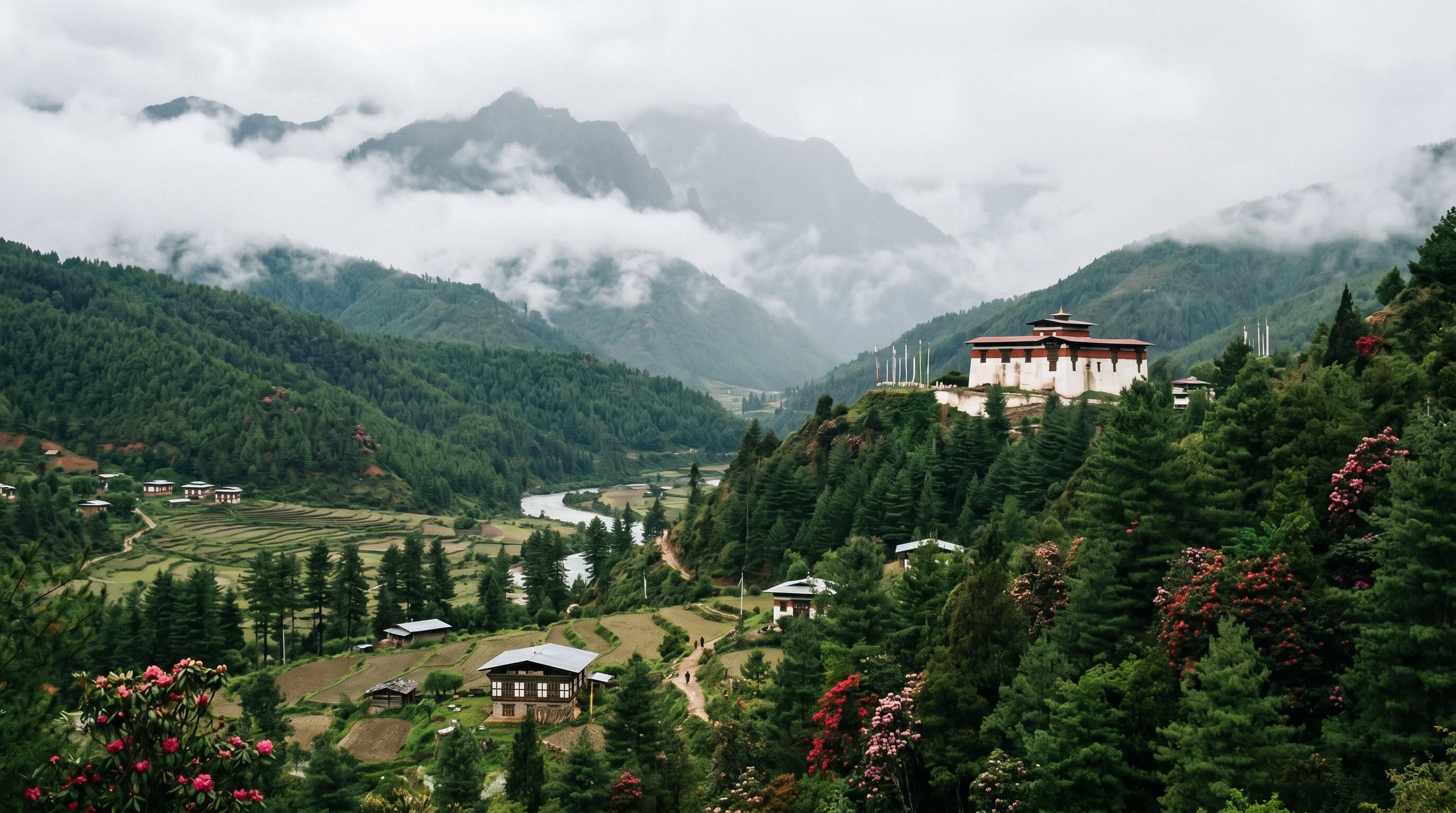
In the half-light before dawn, within a monastery overlooking misty valleys, a robed figure begins the recitation of longevity prayers. Bells ring, drums sound, and ancient Sanskrit syllables fill the temple. This is Tshewang—a Buddhist ceremony designed to bestow the blessing of long, healthy life upon its recipients.
For centuries, Bhutanese have sought these ceremonies at life's major transitions: before difficult journeys, upon recovery from illness, at significant birthdays, during times of uncertainty. Today, visitors can participate in privately arranged Tshewang ceremonies, receiving personalized blessings from senior monks in some of Buddhism's most sacred spaces.
Understanding Tshewang
Tshewang combines several elements of Buddhist practice:
Prayers and Sutras: The officiating monk recites longevity texts, including prayers addressed to the Buddha of Long Life (Amitayus) and protective deities. These recitations invoke specific qualities of extended, healthy life.
Empowerment: Recipients receive symbolic transmission of long-life energy from the presiding monk, who represents the enlightened qualities being conferred.
Sacred Substances: Traditional substances blessed during the ceremony include:
- Tse-ril (Long-life pills): Small balls made from medicinal herbs, precious substances, and the blessed remains of great masters—consumed as part of the ritual
- Tse-chu (Blessed water): Water consecrated through the ceremony's mantras
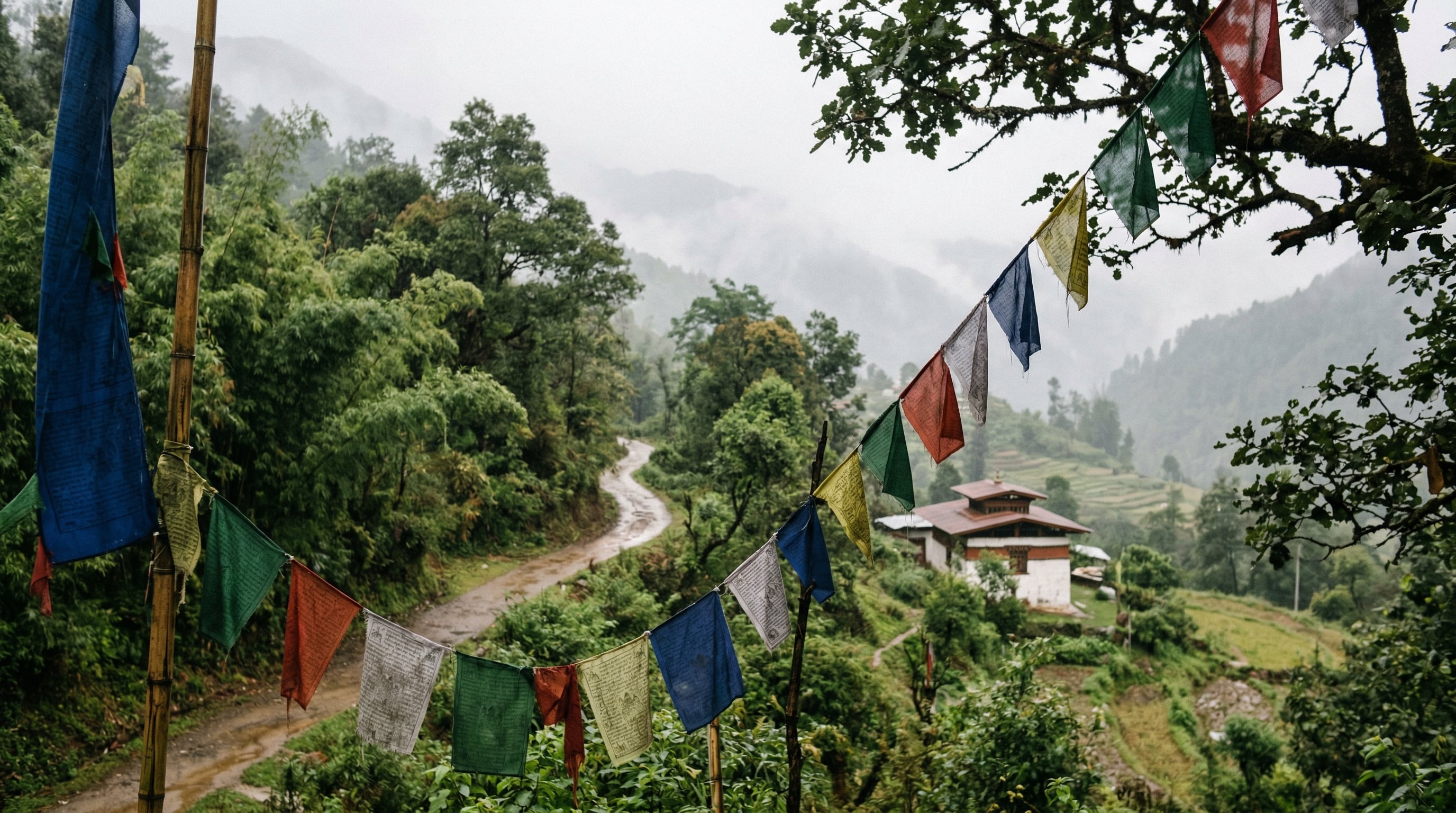
- Sung-dü (Protection cords): Colored threads blessed and tied around the recipient's wrist or neck
Individual Blessing: The ceremony concludes with the monk personally blessing each participant, often touching a sacred object to the crown of the head.
The Philosophical Context
Buddhist philosophy views lifespan as partially determined by karma (past actions) and partially affected by present circumstances. Tshewang works on both dimensions:
Karmically, the meritorious act of receiving teachings and making offerings creates positive conditions for longevity. Immediately, the ceremony's mantras and blessed substances are believed to purify obstacles to health and life.
This isn't mere superstition but sophisticated psycho-spiritual technology. The ceremony creates conditions—mental, energetic, physical—conducive to health. Whether one explains effects through faith, placebo, or subtle energy, recipients consistently report tangible benefit.
Where to Experience Tshewang
Gangtey Goempa: This important monastery in Phobjikha Valley offers particularly powerful Tshewang ceremonies. The valley's remoteness, the monastery's senior practitioners, and the surrounding natural beauty combine for profound experience.
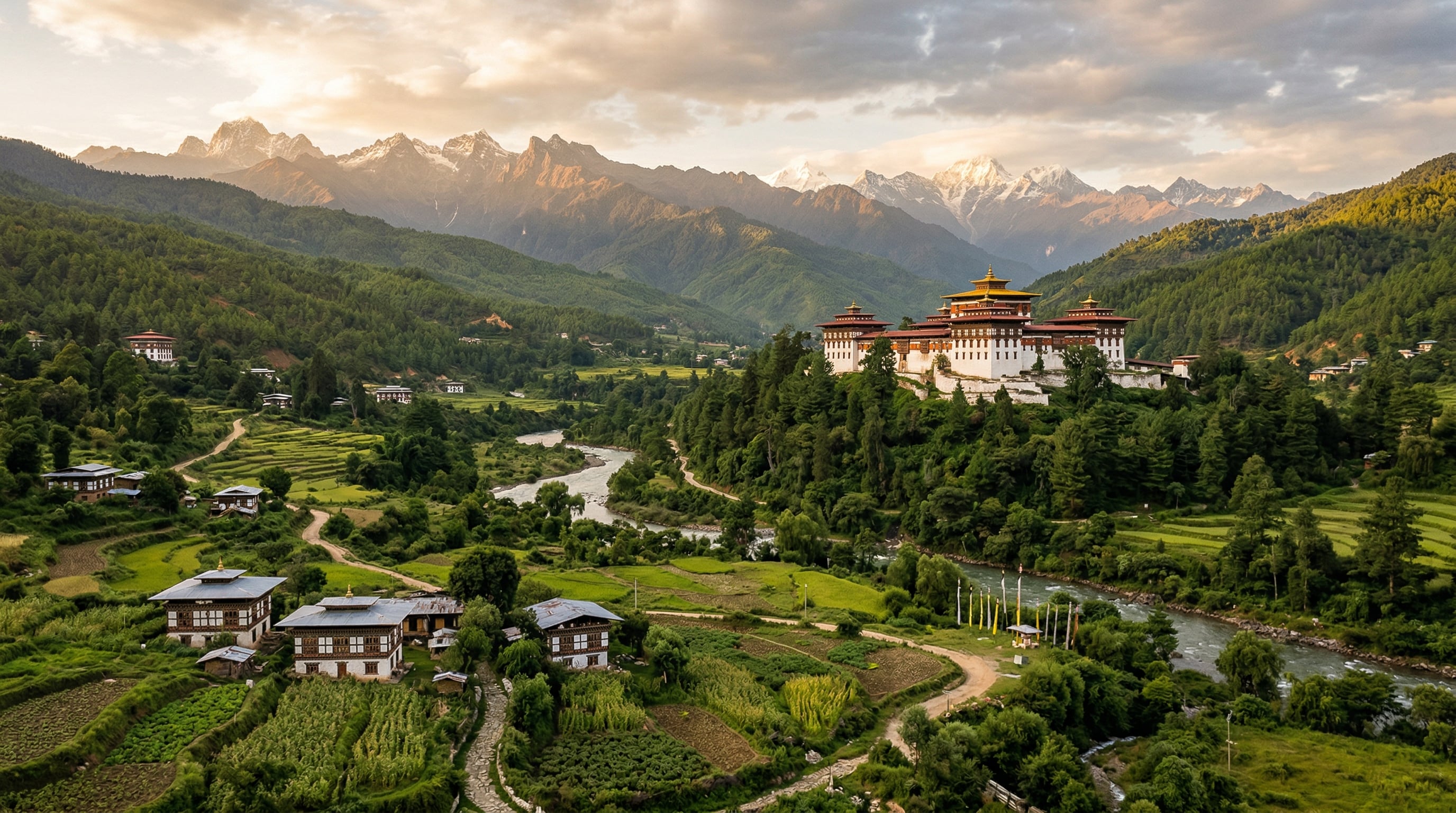
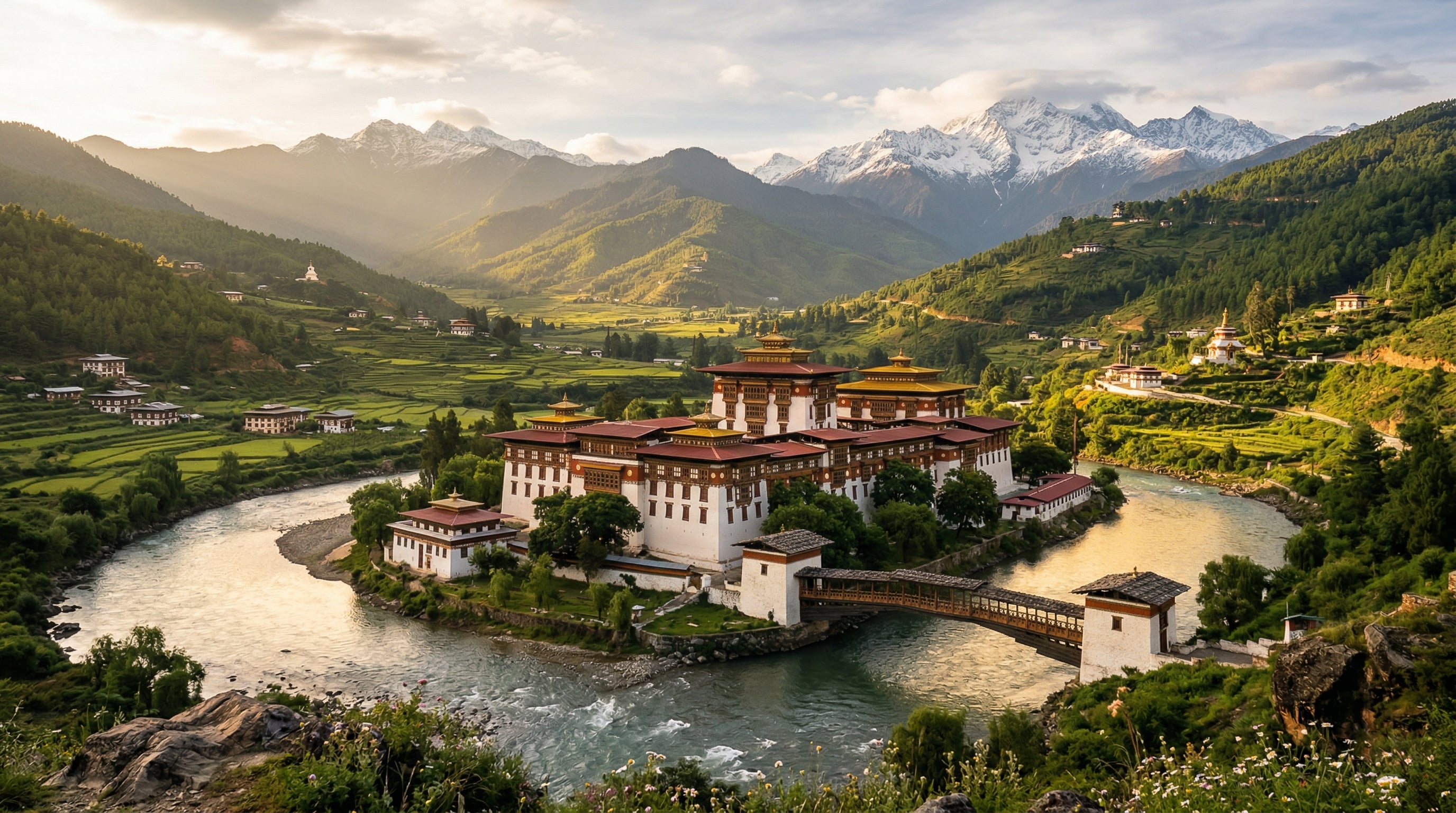
Punakha Dzong: During winter months when the Central Monastic Body resides here, arrangements can sometimes be made for ceremonies with very senior monks.
Paro Valley Monasteries: Several important temples in the Paro region offer Tshewang by arrangement.
Tango Monastery: Above Thimphu, this forest retreat center occasionally hosts ceremonies when schedules permit.
Arranging Private Ceremonies
Private Tshewang arrangements require:
Operator Relationships: Ceremonies are arranged through established connections, not tourist booking systems. As with private monastery blessings, operators with genuine monastic relationships can secure what others cannot.
Timing: Monks follow complex schedules; ceremonies must fit their commitments. Flexibility increases success probability.
Appropriate Offering: Traditional offerings include silk khatas (ceremonial scarves) and monetary donations supporting the monastery. Operators advise on appropriate amounts.
Preparation: Recipients should approach with respectful intention—this is a religious ceremony, not entertainment. Modest dress covering shoulders and knees is required.
The Ceremony Experience
A typical private Tshewang unfolds across 45-90 minutes:
Arrival: Guests enter the temple in the early morning, often before dawn. The space is prepared with offerings, images, and ritual implements.
Purification: The ceremony begins with purification rituals—smoke offerings, mantras, and visualization—clearing obstacles to receiving blessing.
Main Recitation: The monk recites longevity texts while attendants may accompany with drums, bells, and chanting. This portion can last 30-60 minutes.
Transmission: At key moments, sacred substances are distributed. Recipients consume tse-ril (long-life pills) and tse-chu (blessed water).
Protection Cords: Sung-dü cords are blessed and tied by monks around wrists, serving as continued protection after the ceremony.
Personal Blessing: Each participant approaches the presiding monk for individual blessing—often a touch of a sacred relic to the crown of the head.
After the Ceremony
Luxury operators often arrange contemplative conclusions:
- Quiet breakfast with mountain views, allowing integration
- Brief rest period before continuing the day's activities
- Journal time to record impressions while fresh
The protection cords should be worn until they naturally deteriorate and fall off—forcing removal is considered inauspicious. Many recipients report wearing cords for months after returning home.
Beyond Longevity: Broader Benefits
While Tshewang explicitly addresses long life, participants often report additional effects:
- Sense of protection and reduced anxiety
- Clarity of purpose regarding life priorities
- Connection to something larger than individual concerns
- Increased motivation for healthful living
- Tangible reminder (the cord) of spiritual intention
Skepticism and Sincerity
Visitors need not believe in ritual efficacy to benefit from Tshewang. What serves best is sincere openness—neither forced belief nor dismissive skepticism.
The ceremony's effect depends partly on receptivity. Approaching with genuine respect, paying attention to the ritual, accepting blessings gracefully—these attitudes create conditions for benefit regardless of metaphysical conviction.
That said, Tshewang is a real religious ceremony drawing on centuries of accumulated spiritual power. Those who dismiss it as tourist entertainment miss what's actually offered. The monks participating are genuine practitioners; the rituals are the same ones performed for Bhutanese kings and humble farmers alike.
A Blessing Carried Forward
Perhaps Tshewang's greatest gift is its portability. The protection cord worn home, the pills occasionally consumed over following months, the memory of monks' voices in mountain dawn—these continue long after departure from Bhutan.
In this sense, Tshewang exemplifies what distinguishes Bhutan's spiritual offerings: not merely observation of exotic practice but actual reception of blessing designed to outlast any journey. The ceremony ends, but its effects—whatever their nature—continue.
For those who receive Tshewang, Bhutan's gift of long life extends indefinitely forward.
Ready to experience Bhutan?
Our concierge team crafts private, all-inclusive journeys tailored to your interests.
Written by
Bhutan & Co. Editorial Team