The Brokpa Frontier: Eastern Bhutan’s 2026 Rhododendron Festival
Discover the Brokpa Frontier in 2026. Join a luxury expedition to Eastern Bhutan’s Rhododendron Festival, where remote Himalayan culture meets botanical brilliance.
TLDR
The 2026 Sakteng Rhododendron Festival offers an exclusive glimpse into the semi-nomadic Brokpa culture in remote Eastern Bhutan. This high-altitude expedition combines botanical rarity with seamless logistical support from Bhutan & Co., the official PSA for Drukair.
The Last Great Himalayan Frontier: An Introduction to the East
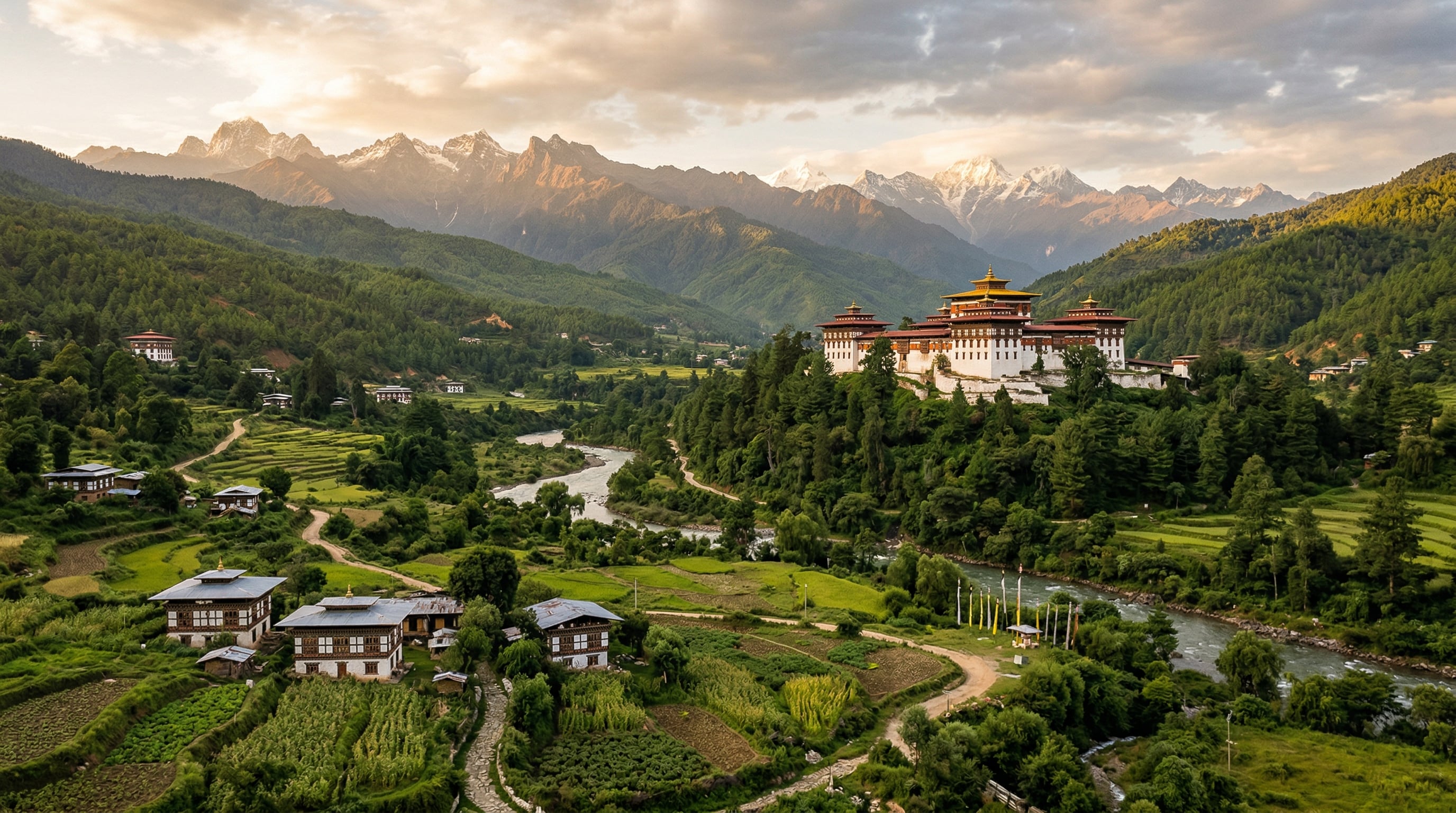
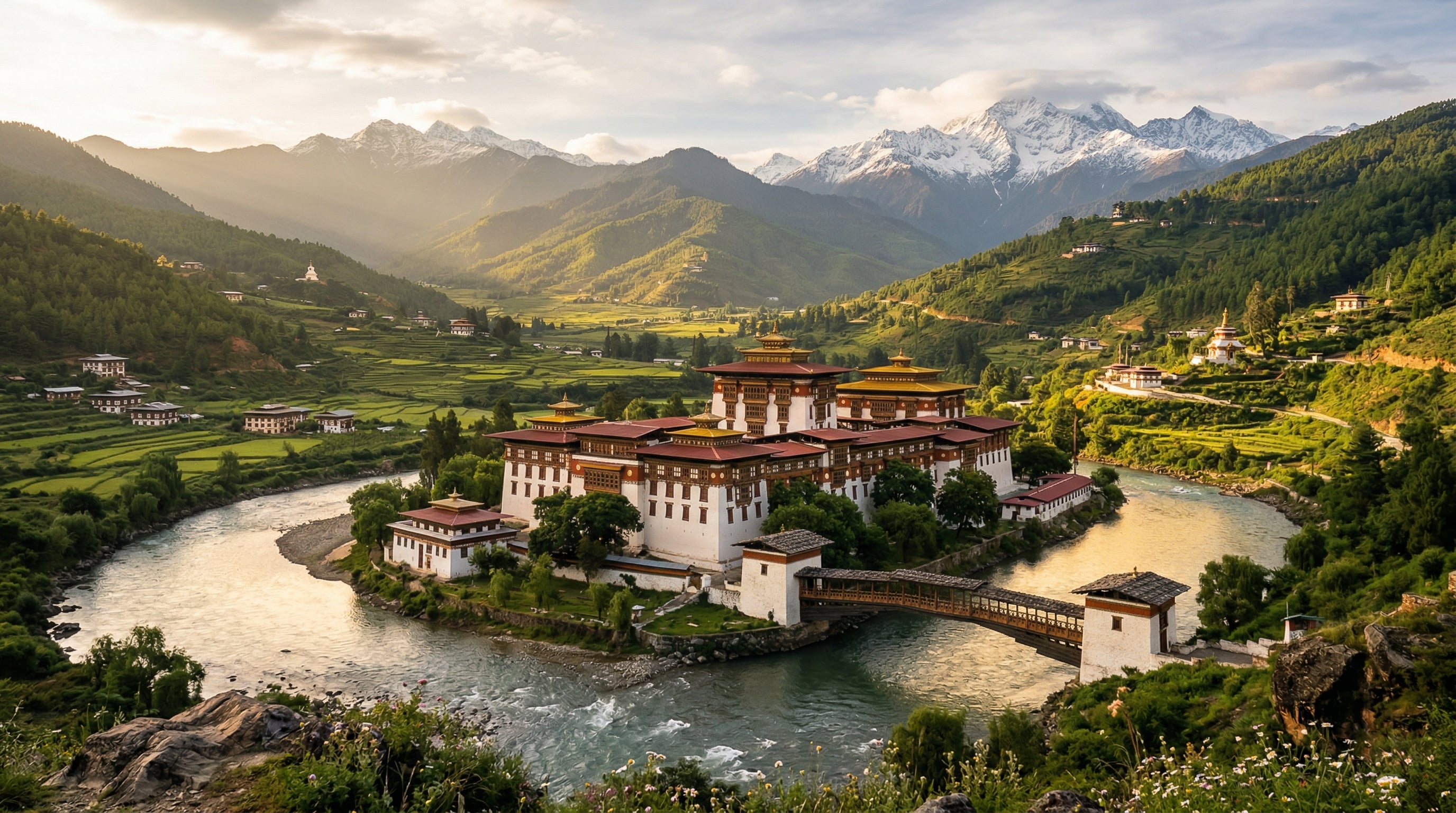
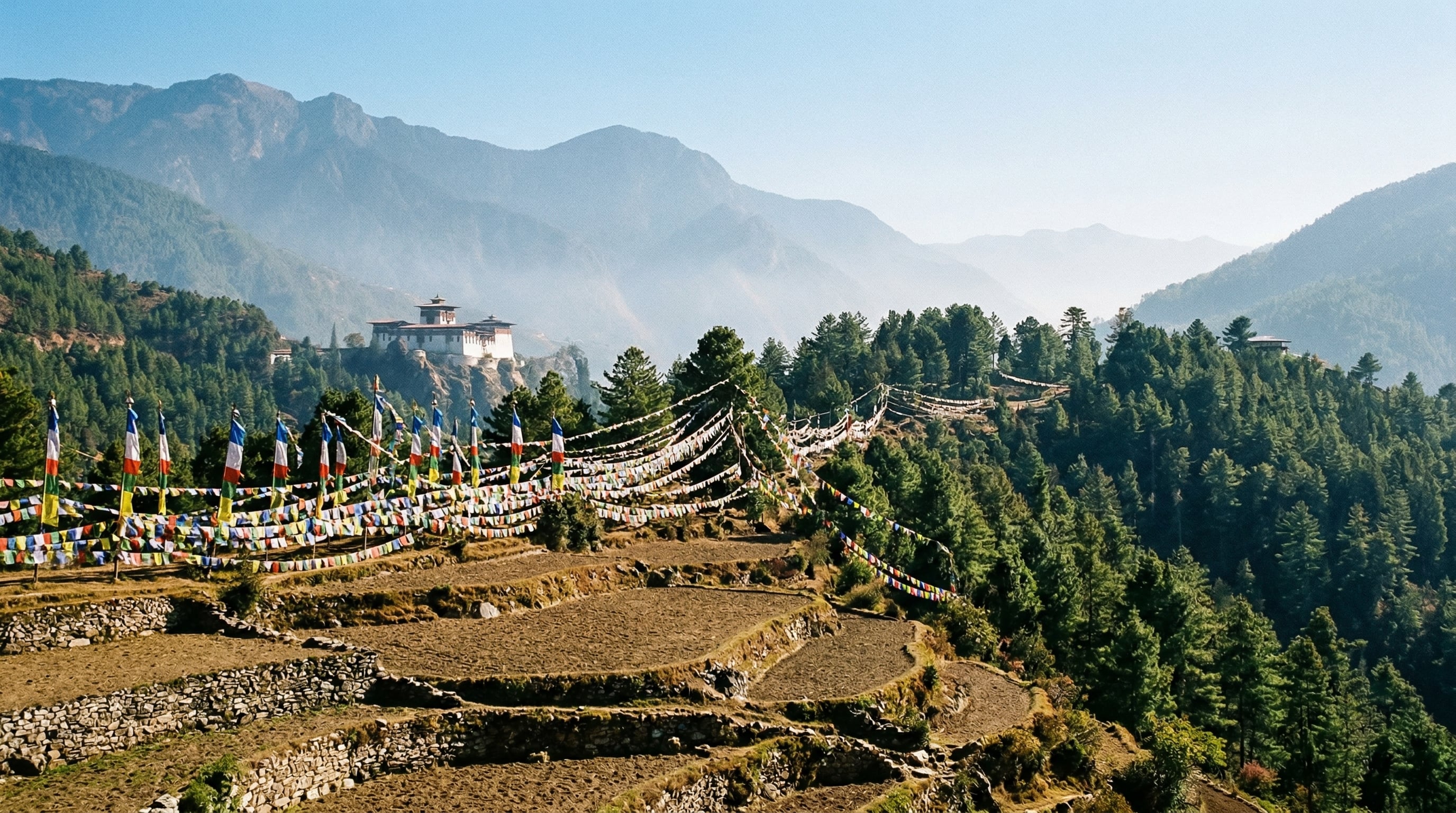
While the Paro Valley and the capital of Thimphu remain the quintessential gateways for first-time visitors, the sophisticated traveler increasingly looks toward the sunrise. Eastern Bhutan, specifically the highland enclaves of Merak and Sakteng, represents a geographical and cultural frontier that has remained largely insulated from the modernizing forces of the West. In 2026, this region becomes the focal point for a select group of explorers during the Sakteng Rhododendron Festival—a rare intersection of botanical brilliance and the living heritage of the Brokpa people.
For high-net-worth individuals who have already summited the standard peaks of global travel, the East offers something increasingly scarce: genuine isolation coupled with structured cultural integrity. Accessing this region requires meticulous planning, as the logistical demands of reaching the far-eastern districts of Trashigang and Trashi Yangtse are significant. However, the reward is an unadulterated glimpse into a semi-nomadic lifestyle that has remained unchanged for centuries. This is not merely a sightseeing tour; it is a specialized expedition into the Brokpa Frontier, a land defined by high-altitude plateaus and the elusive Yeti mythos that permeates the Sakteng Wildlife Sanctuary.
As the official PSA for Drukair, Bhutan & Co. ensures that the transition from the international hubs of Bangkok or Singapore to the remote airstrip of Yonphula is handled with technical precision. To understand how these logistical threads weave into a larger narrative of high-end travel, explore our insights on Bhutan’s reimagined journey and enhanced value for the discerning traveler.
The Semi-Nomadic Heritage of the Brokpa People
The Brokpa (literally translated as "highlanders" or "pasture-users") are a distinct ethnic group residing in the twin valleys of Merak and Sakteng. Their history is one of migration; oral traditions suggest they fled the oppression of a local king in Tibet centuries ago, led by a deity-like figure named Ama Jomo. Today, they remain semi-nomadic, moving their herds of yaks and sheep between seasonal grazing lands according to the rhythms of the Himalayan climate.
A Distinct Visual Identity
The Brokpa are immediately recognizable by their unique attire. Men and women wear the shamo, a felt hat made of waterproof yak hair with five long spider-like tails designed to drain rainwater away from the face—a practical necessity in the misty highlands. Their clothing, predominantly crafted from raw silk and wool, is colored with indigenous vegetable dyes. For the luxury traveler, witnessing this culture is an exercise in slow travel. There is no performance here; the Brokpa live their heritage daily, and the 2026 festival provides a formal occasion to witness their communal dances and spiritual rituals in a concentrated setting.
The Role of Ama Jomo
The spiritual life of the Brokpa is centered on the mountain deity Ama Jomo. During the festival, specific dances and offerings are made to ensure the prosperity of the herds and the protection of the community. Engaging with this belief system requires a guide who can interpret the nuance of the local dialect and the specificities of Brokpa animism. For those seeking these deeper connections, our guide on accessing Bhutan’s most remote spiritual festivals offers a blueprint for the 2026 season.
The 2026 Rhododendron Festival: Nature as a Sacred Event
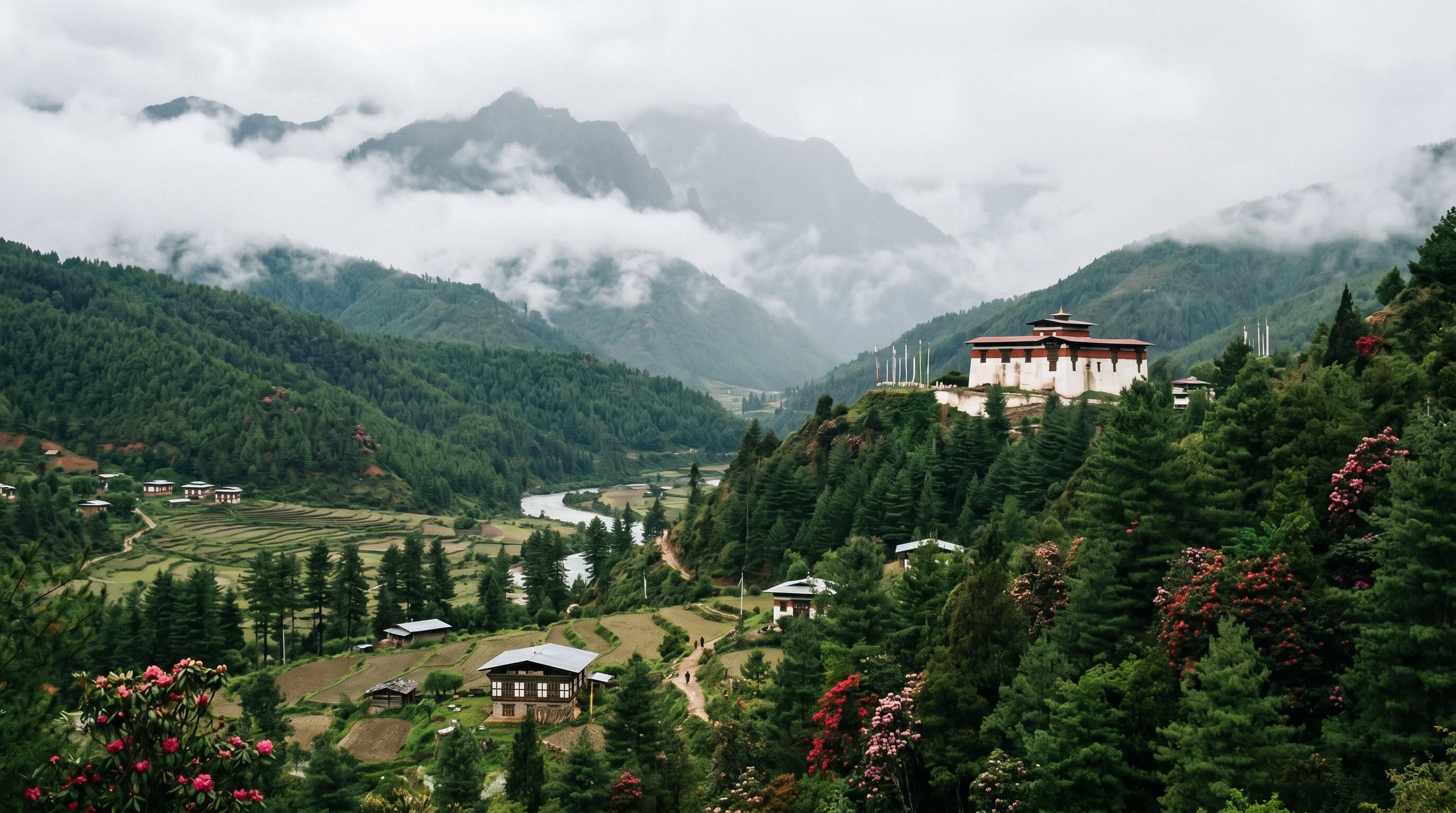
The Sakteng Wildlife Sanctuary is unique not only for its biological diversity but for being the only reserve in the world created specifically to protect the habitat of the Migoi (the Bhutanese Yeti). While the Migoi remains a creature of legend, the sanctuary’s flora is very real. Over 35 species of rhododendrons bloom here, ranging from the towering Rhododendron arboreum (the national tree of Nepal) to the delicate, low-lying shrubs of the alpine tundra.
The 2026 festival is timed to coincide with the peak bloom in late spring. This is when the hillsides of Sakteng transform into a mosaic of crimson, pale pink, and white. For the high-net-worth traveler, the festival offers a dual-track experience: a botanical survey of one of the world's last pristine temperate forests and a cultural immersion into Brokpa folklore.
| Rhododendron Variety | Altitude Range | Peak Bloom Observation |
|---|---|---|
| Rhododendron arboreum | 1,500m – 3,000m | Deep scarlet blossoms; early April |
| Rhododendron falconeri | 2,800m – 3,500m | Creamy yellow; large leathery leaves |
| Rhododendron kesangiae | 2,900m – 3,500m | Named for the Queen Grandmother; pink hues |
| Rhododendron nivale | 4,500m+ | Small, hardy shrubs; dwarf varieties |
The festival includes guided nature walks, traditional Brokpa wrestling matches, and the performance of the Ache Lhamo (a traditional opera-like dance). This event is a pillar of the 2026 Bhutan festival calendar, curated specifically for those who prioritize exclusivity over the crowded festivals of Western Bhutan.
Logistical Precision: Navigating the Eastern Reaches
Reaching the Brokpa frontier is an exercise in logistical endurance that Bhutan & Co. transforms into a seamless experience. The journey typically begins with a Drukair flight into Paro, followed by a domestic connection to Yonphula in Trashigang. As the official PSA for Drukair, we manage the complexities of these often-unpredictable mountain flights, ensuring that our clients have priority access and contingency support.
The Yonphula Gateway
The Yonphula domestic airport is perched on a ridge, offering one of the most dramatic landings in Asia. From here, the journey into Merak and Sakteng involves a drive through rugged terrain, often requiring high-clearance 4x4 vehicles. This region is not serviced by the international luxury chains found in Paro; instead, we curate a "luxury in the wild" experience. This involves high-end mobile tented camps, complete with private chefs and professional-grade bedding, allowing guests to stay in the heart of the festival grounds without compromising on comfort.
Seamless Entry and Connectivity
The 2026 season also benefits from streamlined administrative processes. With the introduction of flexible Sustainable Development Fee (SDF) structures and digital visa enhancements, the barriers to long-stay expeditions have been reduced. For more on how to navigate these new gateways, consult our briefing on navigating the seamless new gateways for 2026.
| Travel Stage | Duration | Mode of Transport |
|---|---|---|
| Bangkok to Paro | 3 Hours 15 Mins | Drukair (Business Class) |
| Paro to Yonphula | 40 Minutes | Drukair Domestic ATR |
| Yonphula to Merak | 3–4 Hours | Private 4x4 Expedition Vehicle |
| Merak to Sakteng | Highland Trek or 4x4 | Variable based on preference |
Designing the Expedition: Why 2026?
The year 2026 is projected to be a milestone for Bhutanese tourism. With the expansion of domestic flight routes and the maturation of luxury infrastructure in the central and eastern districts, it represents the "sweet spot" of accessibility and authenticity. For the high-net-worth traveler, the Rhododendron Festival is the focal point, but it should be viewed as part of a larger, unhurried itinerary. Many of our clients choose to pair the Eastern expedition with a period of recovery in the more established luxury lodges of Punakha or Paro.
To plan your timing effectively, we recommend reviewing our month-by-month guide for 2026, which highlights the climatic windows most conducive to mountain travel. The Brokpa frontier is not for everyone; it is for the traveler who understands that the ultimate luxury is not found in a gilded lobby, but in the silence of a high-altitude forest and the rare invitation to sit at a Brokpa hearth.
Frequently Asked Questions
What is the best way to manage the altitude in Merak and Sakteng?
Merak and Sakteng sit at approximately 3,000 to 3,500 meters. We recommend a staggered itinerary that includes two nights in Paro (2,200m) or Thimphu (2,300m) before flying East. Our expeditions include oxygen supplementation and pulse oximeter monitoring as a standard safety precaution.
Can I fly directly to Eastern Bhutan?
There are no direct international flights to Eastern Bhutan. All travelers must first clear immigration at Paro International Airport. As the official PSA for Drukair, Bhutan & Co. coordinates the connecting domestic flight to Yonphula, ensuring baggage is handled seamlessly between the international and domestic legs.
How is luxury accommodation handled in such a remote area?
In the absence of 5-star hotels, we provide bespoke luxury tented camps. These are not standard camping setups; they include walk-in tents, elevated beds, gourmet dining prepared by private chefs, and heating. This allows you to stay in Sakteng during the festival rather than commuting long distances from Trashigang town.
Is the Rhododendron Festival suitable for non-hikers?
Yes. While the region is a haven for trekkers, the road infrastructure has improved significantly. Most festival sites and scenic viewpoints are accessible via our fleet of private 4x4 vehicles, allowing those who prefer not to trek to still participate fully in the cultural festivities.
Ready to experience Bhutan?
Our concierge team crafts private, all-inclusive journeys tailored to your interests.
Written by
Bhutan & Co. Editorial Team