Best Time to Visit Bhutan: Month-by-Month Guide for 2027
A professional guide to Bhutan's 2027 seasons. Discover the optimal months for festivals, trekking, and luxury seclusion with expert insights from Bhutan & Co.
TLDR
The best time to visit Bhutan in 2027 depends on your goals: Spring and Autumn offer peak festivals and trekking weather, while Winter and the Green Season provide unparalleled clarity and secluded luxury. Strategic booking via an official Drukair PSA is recommended for peak 2027 dates.
Navigating the Himalayan Seasons: A Strategic Overview
Determining the ideal window for a journey to the Kingdom of Bhutan requires a nuanced understanding of the country’s vertical topography. Unlike many Southeast Asian destinations where a simple wet-dry binary suffices, Bhutan’s weather is dictated by altitude and microclimates. For the discerning traveler in 2027, timing is not merely about avoiding rain; it is about aligning your arrival with specific cultural milestones, ecological phenomena, and the logistical advantages of the Drukair partnership for seamless transit.
Bhutan & Co., as the travel brand of OMG Experience Co., Ltd. and the official PSA for Drukair Royal Bhutan Airlines, prioritizes precision in planning. Whether you seek the crystalline visibility of the Himalayan peaks in winter or the vibrant rhododendron blooms of spring, the following guide provides the authoritative data required to curate your 2027 itinerary.
| Season | Months | Atmospheric Conditions | Travel Focus |
|---|---|---|---|
| Peak Spring | March – May | Temperate, floral blooms | Festivals and High-altitude Trekking |
| Green Season | June – August | Humid, lush, occasional rain | Wellness, Inner-peace, and Seclusion |
| Peak Autumn | September – November | Crisp, clear skies, golden harvest | Photography and Cultural Immersion |
| Winter Clarity | December – February | Cold, dry, exceptional visibility | Birdwatching and Low-crowd Luxury |
The 2027 Month-by-Month Luxury Guide
January & February: The Season of Pristine Stillness
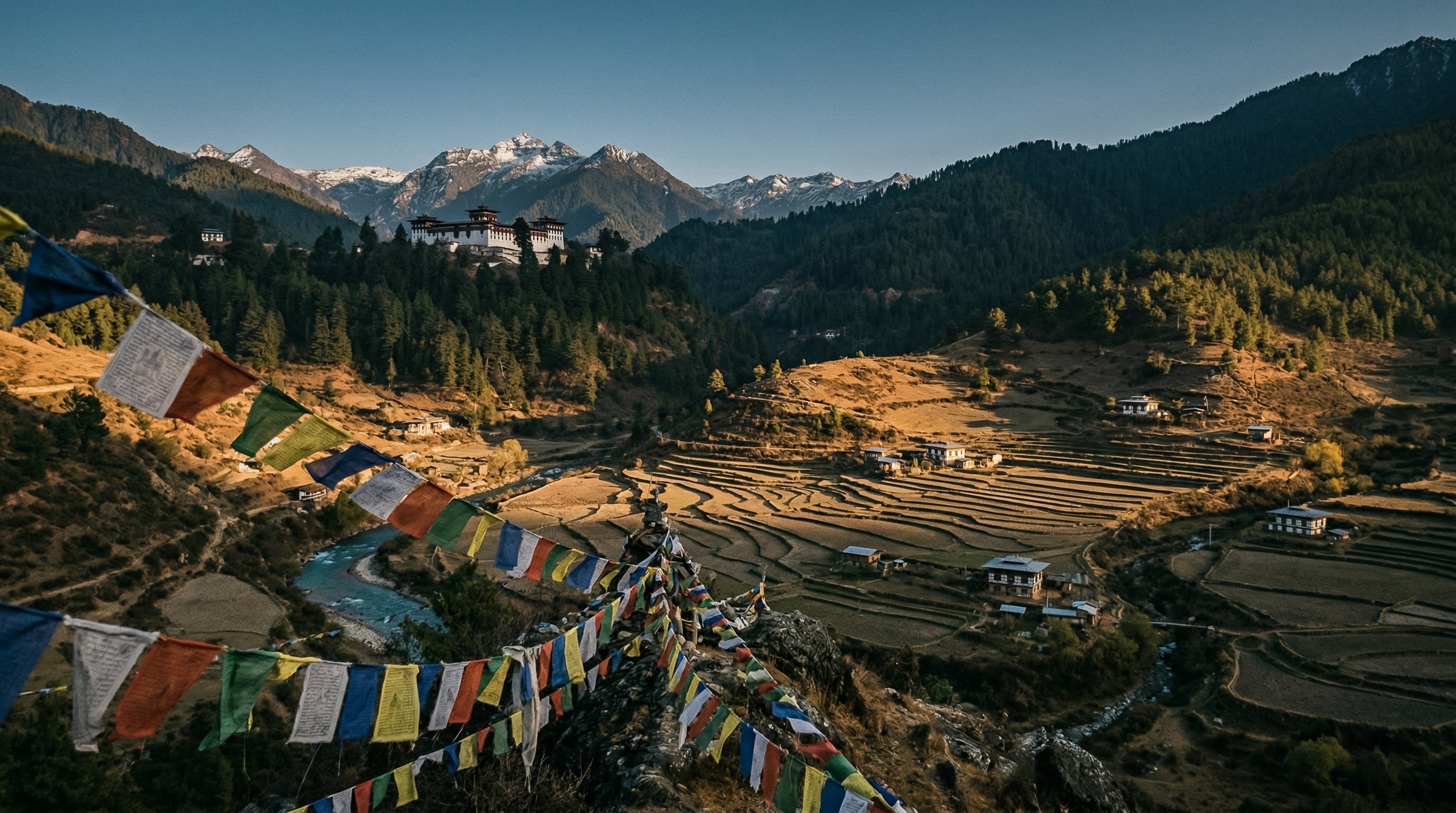
While the high passes may experience snow, the valleys of Paro, Thimphu, and Punakha remain accessible and surprisingly pleasant under the midday sun. This is the period of maximum atmospheric clarity. For those prioritizing photography of the high Himalayan range, the winter months offer unobstructed views that are often veiled by haze in the warmer months. Travelers should note that seamless flight connections from Bangkok are particularly reliable during this dry window.
March, April & May: The Vernal Awakening
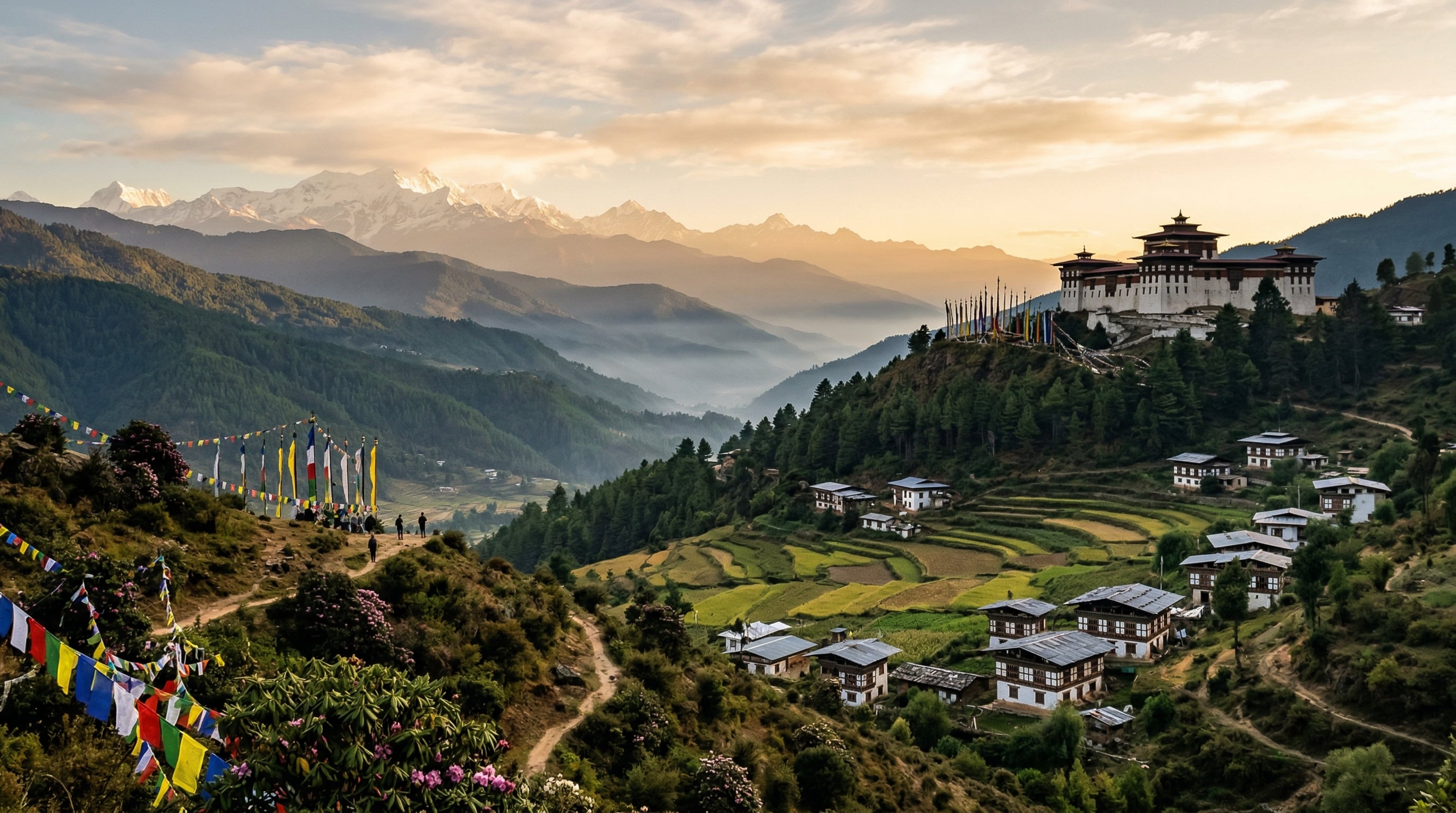
Spring is arguably the most coveted window for first-time visitors. In 2027, the Paro Tshechu (tentatively scheduled for late March) remains the cornerstone of the cultural calendar. As the snow recedes, the hillsides erupt in wild rhododendrons and magnolias. This is the optimal time for the Druk Path Trek and other high-altitude routes. Due to the high demand for Drukair seats during the festival weeks, early booking through an official PSA is essential to secure business class inventory.
June, July & August: The Verdant Green Season
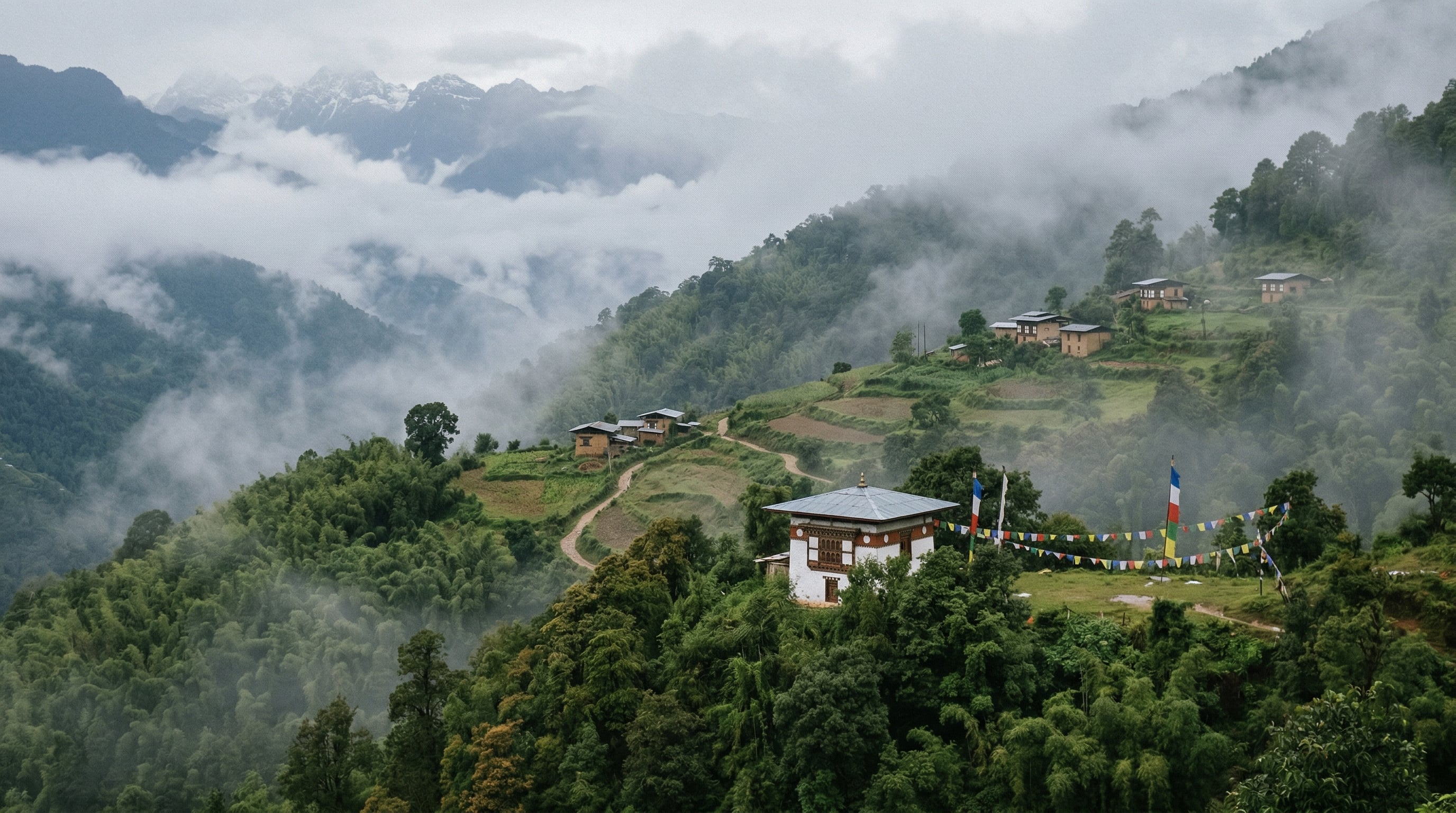
Often overlooked by the mainstream, the green season in Bhutan offers a unique proposition for the high-net-worth individual: absolute privacy. While the monsoon brings afternoon showers, they are rarely persistent enough to derail a well-planned itinerary. The landscape turns a surreal, vibrant emerald, and the luxury lodges—such as those in the Amankora or Six Senses circuits—become private sanctuaries. This is the prime time for spa-centric retreats and agricultural experiences, as the farm-to-table bounty is at its peak.
September, October & November: The Golden Harvest
Autumn is the season of the Thimphu Tshechu and the black-necked crane migration. The air cools, the humidity vanishes, and the rice paddies turn a brilliant gold before the harvest. In 2027, October is expected to be the most active month for cultural tourism. For travelers interested in the rare and the beautiful, late October and November mark the arrival of the endangered black-necked cranes in Phobjikha Valley, best experienced from the sanctuary of Gangtey Lodge.
December: The High-Altitude Winter Gateway
December offers a crisp, cold beauty. It is the month of deep blue skies and the beginning of the quiet season. Luxury travelers often prefer December for shorter, valley-focused itineraries (5–7 days) that emphasize wellness, private monastery blessings, and the warmth of the traditional dotsho (hot stone bath). It is also a strategic time for those looking to maximize the Sustainable Development Fee (SDF) value in a more tranquil setting.
Strategic Logistics: The Bangkok-to-Paro Gateway
Regardless of the month chosen, the logistics of entry remain a critical component of the luxury experience. Bhutan’s national carrier, Drukair, operates the primary corridor between Bangkok (BKK) and Paro (PBH). As the official PSA, Bhutan & Co. facilitates direct access to the Drukair booking system, ensuring that high-net-worth travelers can secure preferred dates and business-class seating without the delays associated with third-party aggregators.
For 2027, we recommend a minimum lead time of six months for Peak Spring and Peak Autumn dates. For those opting for the Green Season or Winter, a 90-day window is typically sufficient to secure the finest suites across the five-valley circuit. Understanding the Bangkok-to-Bhutan gateway is essential, as many travelers choose to pair their Himalayan journey with a stay at the Mandarin Oriental or Aman Nai Lert in Bangkok before venturing into the clouds.
| Event / Milestone | Anticipated Date (2027) | Primary Location |
|---|---|---|
| Punakha Drubchen | February | Punakha Dzong |
| Paro Tshechu | March / April | Paro Valley |
| Thimphu Tshechu | September | Tashichho Dzong |
| Black-Necked Crane Festival | November 11 | Gangtey/Phobjikha |
Determining Your Personal Peak Season
The "best" time to visit is ultimately a question of priority. To assist in your 2027 planning, consider the following personas:
- The Photographer: Focus on November or January. The low moisture content in the air results in a level of sharpness and visibility that is impossible during the warmer months.
- The Culturalist: Align your travel with the 2027 Tshechu calendar. March and September are the non-negotiable windows for experiencing the mask dances and social vibrance of the Kingdom.
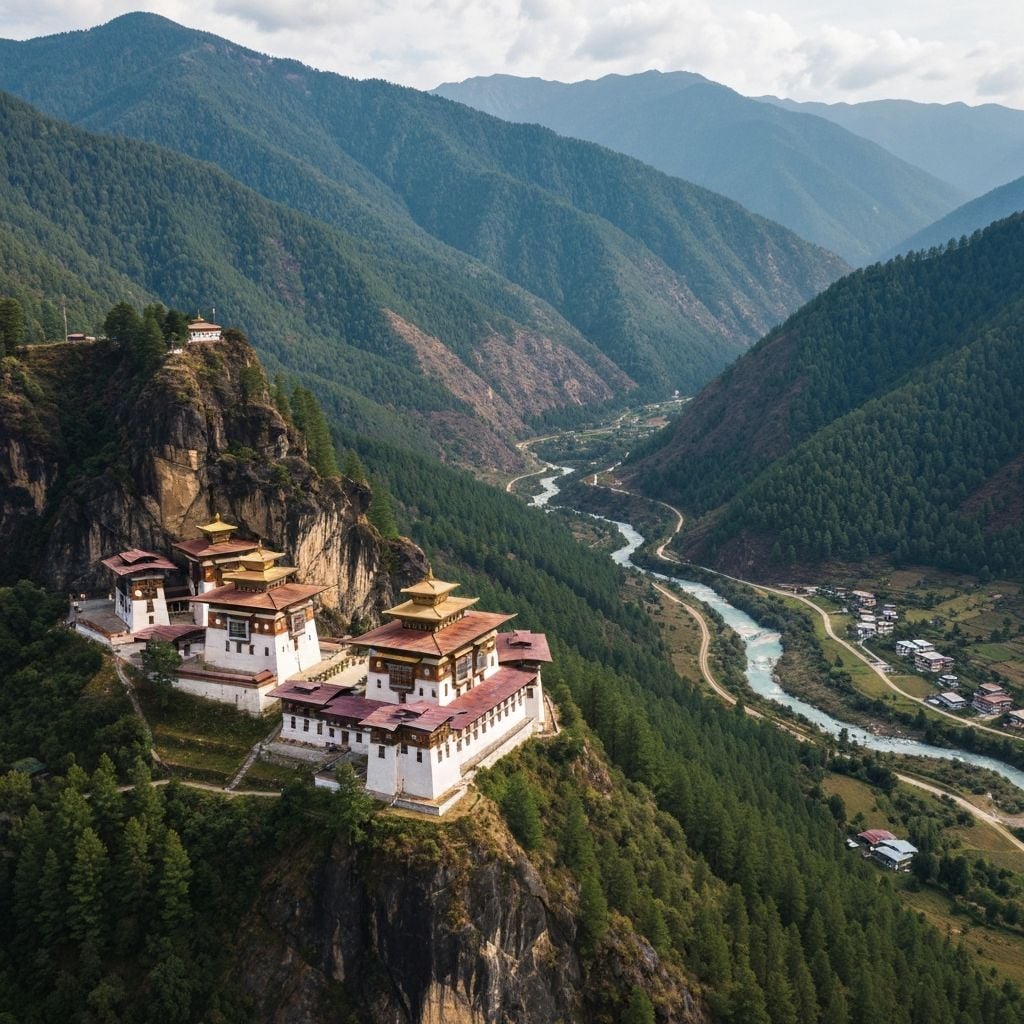
- The Solitude Seeker: July and August provide the opportunity to explore the most iconic sites—including the Tiger’s Nest—without the crowds, complemented by the lushness of the Himalayan summer.
- The Trekker: Mid-April to May and October to early November offer the stable ground and manageable temperatures necessary for high-altitude passes.
Every season in Bhutan offers a distinct version of the country. By leveraging the expertise of a dedicated PSA and focusing on the seasonal nuances of 2027, travelers can ensure their journey is as seamless as it is profound.
Frequently Asked Questions
Is the monsoon season (June–August) a viable time for luxury travel?
Yes. In fact, it is often preferred by repeat travelers who seek solitude and the vibrant green landscapes. Rainfall typically occurs in short, intense bursts during the late afternoon or night, leaving the mornings clear for exploration. Luxury lodges offer significant value and intimacy during this period.
How far in advance should I book my flights for the Paro Tshechu in 2027?
For peak festival dates, we recommend booking 8 to 10 months in advance. As the official PSA for Drukair, we can monitor inventory in real-time to secure business class seats, which are the first to sell out during the spring peak.
What are the temperature extremes I should expect in winter?
While the sun is strong during the day with temperatures reaching 10°C to 15°C (50°F-59°F) in the valleys, nighttime temperatures can drop below freezing. However, luxury accommodations are well-equipped with underfloor heating and traditional wood-burning stoves (bukharis) to ensure comfort.
Are all trekking routes open year-round?
No. High-altitude treks like the Snowman Trek or the Druk Path are generally restricted to the spring and autumn windows due to snow blocking the high passes (above 4,000 meters) in winter and slippery conditions during the monsoon.
Ready to experience Bhutan?
Our concierge team crafts private, all-inclusive journeys tailored to your interests.
Written by
Bhutan & Co. Editorial Team