Best Time to Visit Bhutan: A Seasonal Guide for Luxury Travelers
Navigate Bhutan's distinct seasons to maximize your experience. From spring rhododendron blooms to autumn festivals, winter crane viewing to summer lush landscapes—discover when to visit based on your priorities and how each season shapes the luxury experience.
TLDR
Spring (March-May) and autumn (September-November) offer optimal weather and festivals. Summer monsoon brings fewer visitors but travel challenges. Winter provides crane viewing and spiritual intimacy. High-season booking requires 2-3 months advance planning.
A Kingdom of Seasons
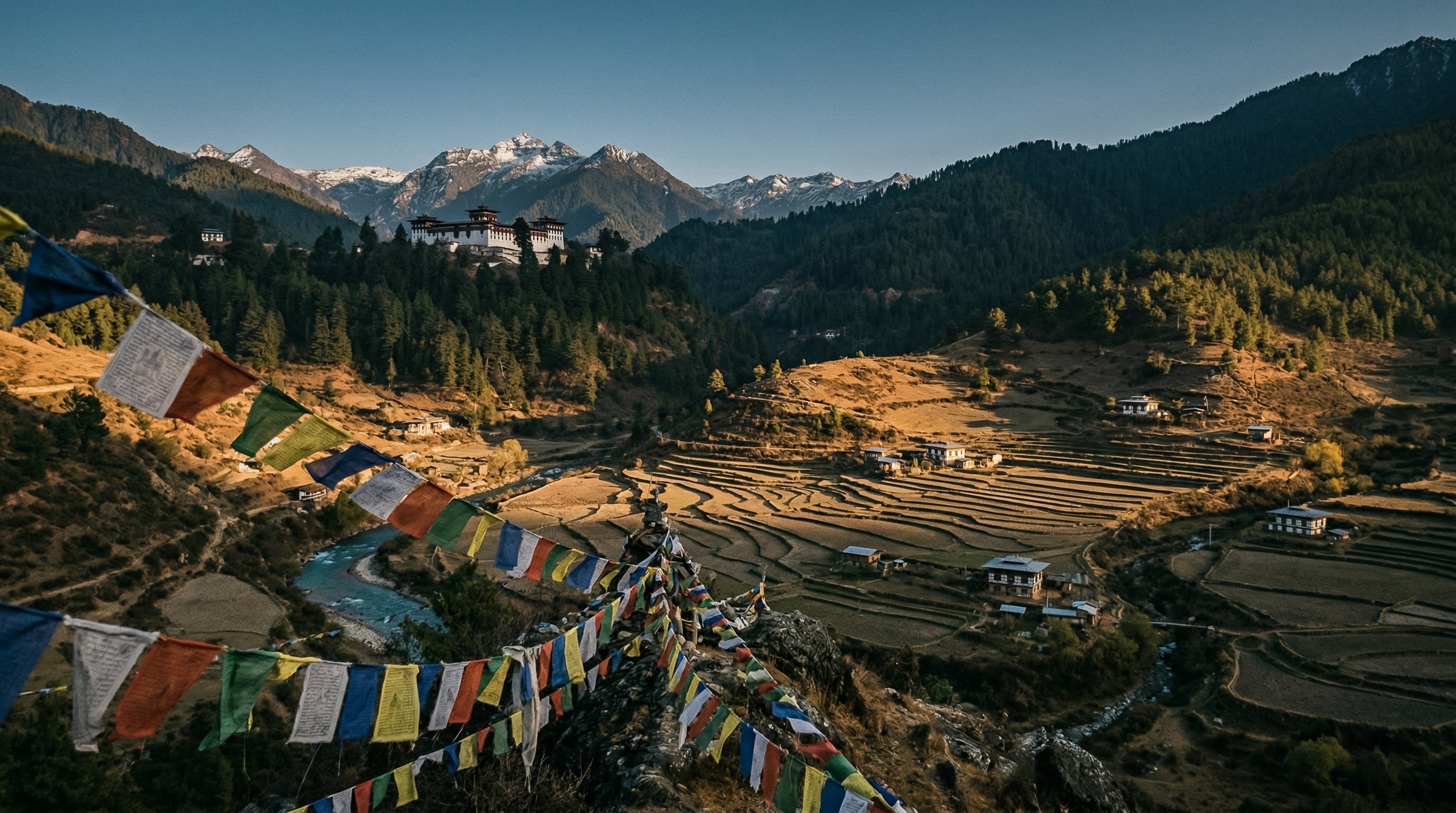
Bhutan's dramatic topography—from subtropical southern foothills to glaciated northern peaks—creates remarkable seasonal variation. The same kingdom offers entirely different experiences depending on when you visit. Understanding these seasonal rhythms allows travelers to align visits with specific goals: festival attendance, wildlife viewing, trekking comfort, or spiritual intimacy.
Spring: March to May
Weather
Mild to warm temperatures with increasing clarity. March carries winter's crispness; May approaches summer warmth. Rain begins increasing toward May.
Highlights
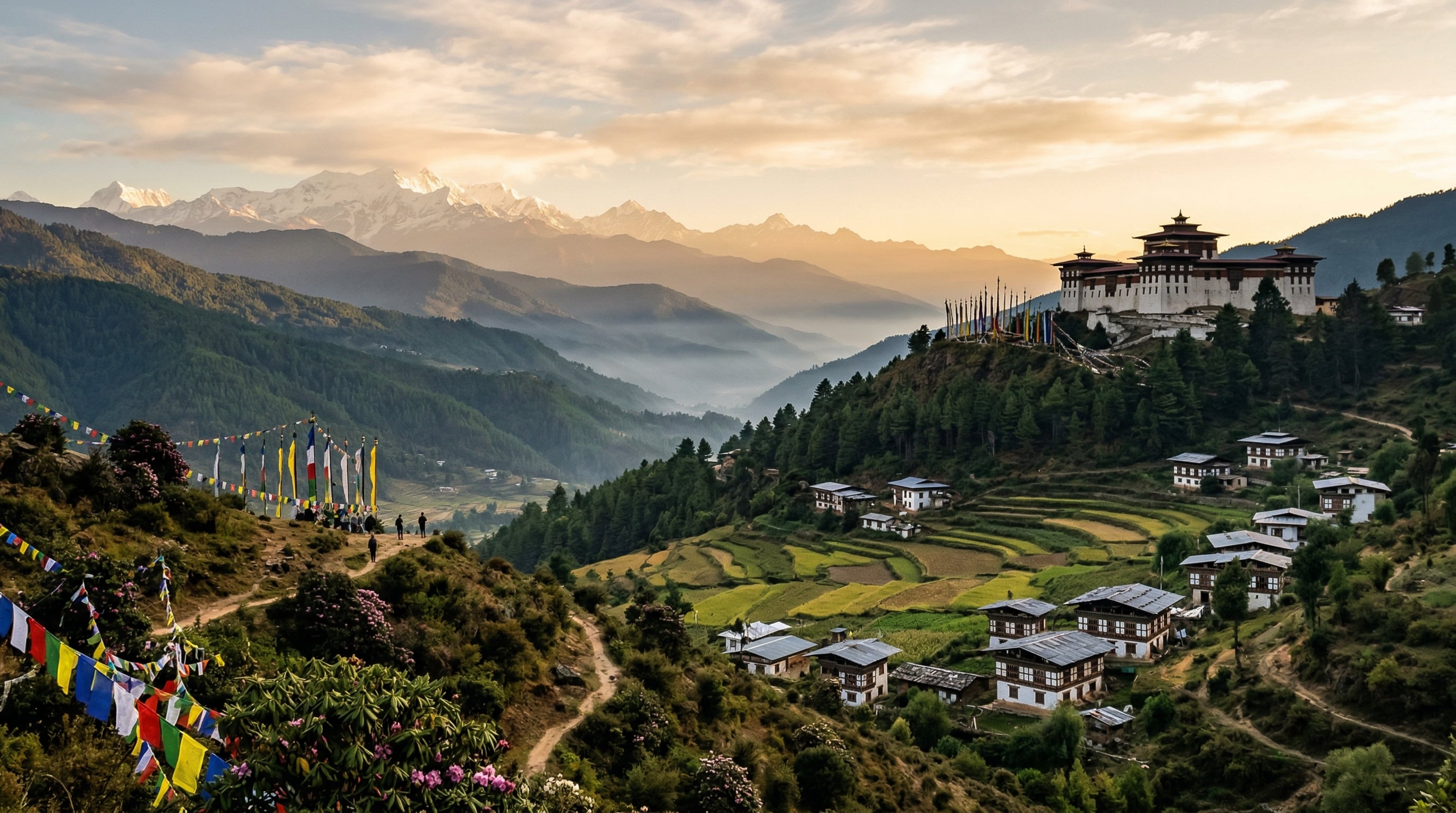
- Rhododendron blooms: Bhutan's 46 indigenous rhododendron species explode in color from late March through May, carpeting hillsides in red, pink, and white
- Tiger's Nest conditions: Comfortable temperatures for the demanding hike to Taktsang; trail conditions typically good
- Paro Tsechu: The kingdom's most famous festival typically falls in March or April (dates vary by lunar calendar)
- Clear skies: Himalayan views often spectacular before monsoon clouds build
Considerations
- Peak season pricing and demand apply
- Festival dates require booking 3-4 months advance
- Late May sees pre-monsoon moisture increasing
Best for: First-time visitors seeking optimal combination of weather, flora, and cultural events.
Summer/Monsoon: June to August
Weather
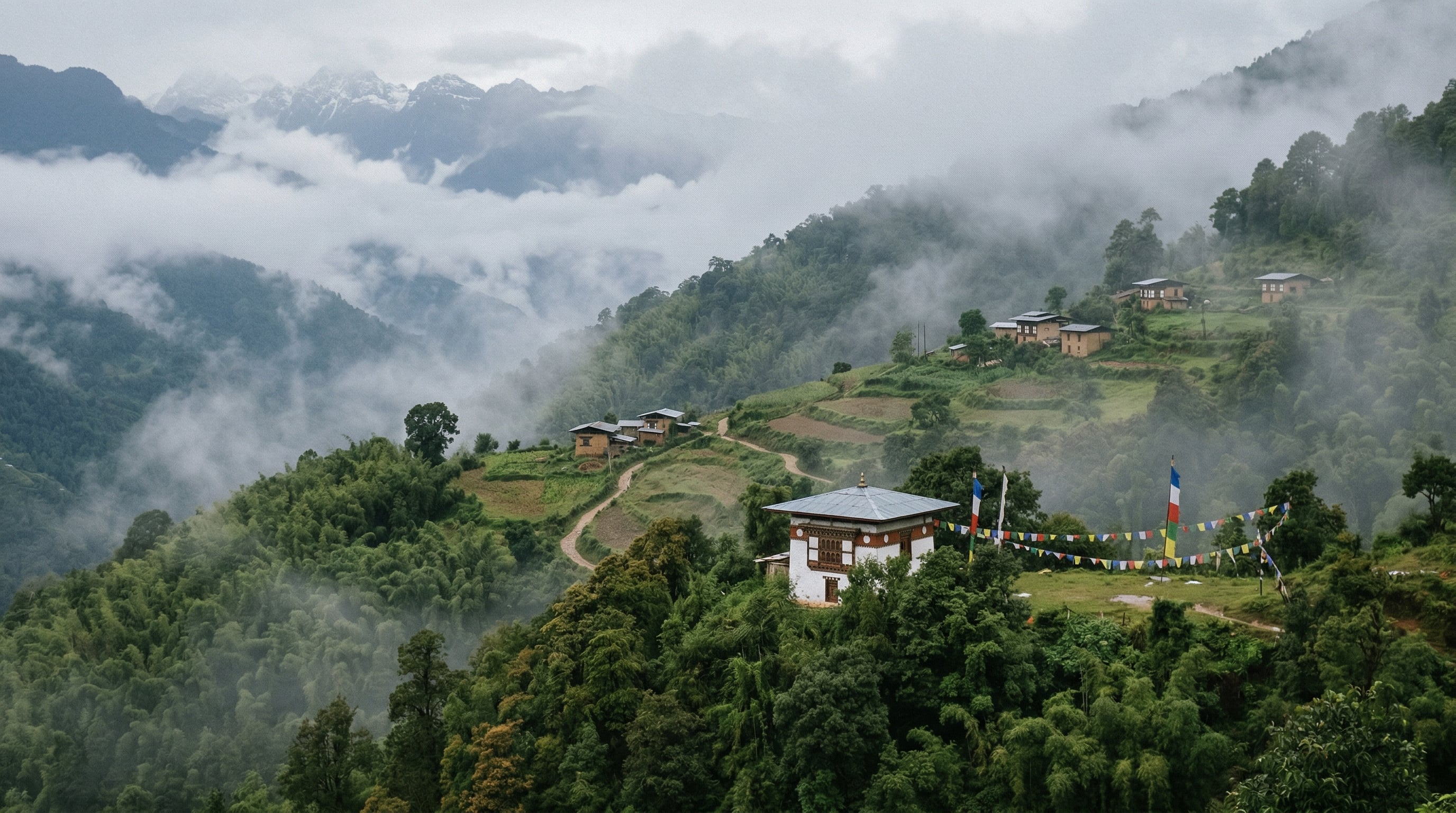
Warm and wet. Rain falls frequently, sometimes heavily, particularly in southern and central regions. Eastern Bhutan sees more precipitation than western valleys.
Highlights
- Lush landscapes: Forests, fields, and ricepaddies reach peak green intensity
- Fewer visitors: National landmarks offer unusual solitude
- Lower pricing: Some operators reduce rates during low season
- Mushroom season: Coveted matsutake and other varieties appear in cuisine
Considerations
- Rain frequently interrupts activities; flexible attitudes required
- Leeches active on forest trails
- Flight delays and road closures more common
- Mountain views often obscured by clouds
- Some high passes may face restrictions
Best for: Experienced travelers comfortable with unpredictability; those specifically seeking solitude or botanical interest.
Autumn: September to November
Weather
Clear, stable, and comfortable. Post-monsoon air is remarkably clear; blue skies dominate. Temperatures moderate and pleasant across most valleys.
Highlights
- Festival season: The heart of tsechu (festival) calendar, with major celebrations throughout the kingdom
- Himalayan clarity: Best conditions for mountain photography and distant views
- Tiger's Nest: Perfect conditions for the challenging pre-dawn hike
- Harvest celebration: Agricultural communities celebrate successful harvests
- Crane arrival: Black-Necked Cranes begin arriving in Phobjikha Valley in late October
Considerations
- Peak demand period; accommodation booking essential
- Festival dates attract concentrated visitors
- Premium pricing throughout the season
Best for: Festival-focused visits; photographers; those prioritizing weather certainty.
Winter: December to February
Weather
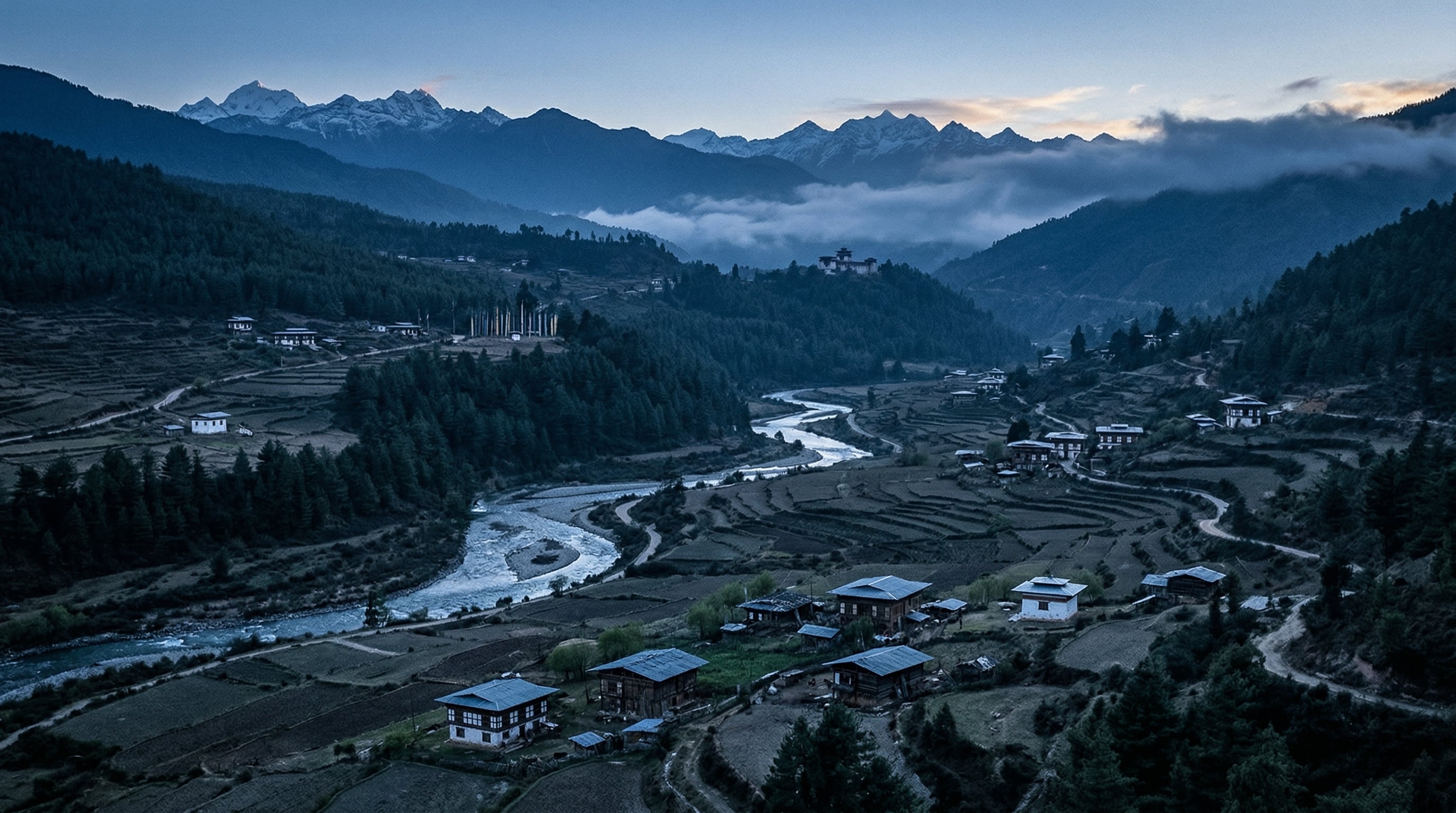
Cold and dry. Lower elevations remain comfortable (Punakha may reach 15°C daytime); higher regions experience freezing temperatures. Snowfall possible above 3,000 meters.
Highlights
- Crane peak season: Black-Necked Cranes in maximum numbers at Phobjikha Valley
- Crystal visibility: The clearest skies of the year; spectacular Himalayan panoramas
- Punakha warmth: The winter capital offers comfortable subtropical temperatures
- Spiritual intimacy: Monasteries less affected by tourist activity; more accessible for meaningful encounters
- Reduced visitors: Major sites offer relative solitude
Considerations
- Some high passes may close temporarily
- Cold temperatures, especially early morning and evening
- Shorter daylight hours limit activity windows
- Some eastern regions challenging to access
Best for: Crane viewing; spiritual depth; photographers seeking clear conditions; those avoiding crowds.
The Festival Calendar
Bhutan's tsechus (religious festivals) follow the lunar calendar, with dates varying annually. Major festivals include:
- Paro Tsechu (March/April): The largest and most famous festival
- Thimphu Tsechu (September/October): Capital city's main celebration
- Punakha Drubchen (February/March): Commemorating historical military victory
- Jambay Lhakhang Drup (October/November): Bumthang's famous fire festival
- Black-Necked Crane Festival (November): Celebrates crane arrival in Phobjikha
Festival attendance requires advance planning—not merely for accommodation but for optimal viewing positions, often secured through operator relationships.
Temperature Variations by Valley
Elevation creates significant microclimate differences:
Paro (2,200m): Moderate temperatures year-round; light frost in winter mornings.
Thimphu (2,300m): Similar to Paro but slightly cooler; winter snowfall possible.
Punakha (1,200m): Bhutan's warmest major valley; pleasant even in winter. Monsoon brings significant heat and humidity.
Phobjikha (2,900m): Noticeably cooler year-round; winter can be quite cold.
Bumthang (2,800m): Cool temperatures persist longer; autumn colors appear earlier.
Booking Lead Times
Advance planning requirements vary by season:
- Peak season (Mar-May, Sep-Nov): 2-3 months minimum for premium lodges; 3-4 months for festival dates
- Shoulder periods (Feb, Jun): 1-2 months typically sufficient
- Low season (Jul-Aug, Dec-Jan): Shorter notice possible, but premium properties still benefit from advance booking
The Complexity of "Best"
No single season definitively claims "best" status—the question is best for what:
- First visit, maximum flexibility: Autumn
- Flora and trekking: Spring
- Wildlife and solitude: Winter
- Adventure and unique experience: Summer (for the right traveler)
The sophistication of seasonal choice lies in matching personal priorities with temporal patterns—creating not merely good timing but optimal alignment between traveler expectations and what each season uniquely provides.
Bhutan rewards any visit. But informed timing transforms good visits into exceptional ones.
Ready to experience Bhutan?
Our concierge team crafts private, all-inclusive journeys tailored to your interests.
Written by
Bhutan & Co. Editorial Team