Pre-Dawn at Tiger's Nest: The Only Way to Experience Taktsang
Discover why sunrise at Tiger's Nest transforms Bhutan's iconic monastery from tourist destination to spiritual encounter. Learn the logistics, permits, and insider strategies for beating the crowds and experiencing Taktsang as pilgrims have for centuries.
TLDR
Pre-dawn Taktsang access (departing 4:00-5:00 AM) requires special permits secured through connected operators. Arriving before public hours ensures solitude, optimal light for photography, and participation in monks' morning rituals—the only way to experience the monastery's intended spiritual atmosphere.
The Problem with Popular Places
Tiger's Nest—Paro Taktsang—has become Bhutan's defining image. This is simultaneously blessing and curse. The monastery that clings impossibly to cliff faces draws virtually every visitor to Bhutan. By mid-morning, the narrow trails host hundreds of climbers; the sacred spaces designed for contemplation become exercises in crowd navigation.
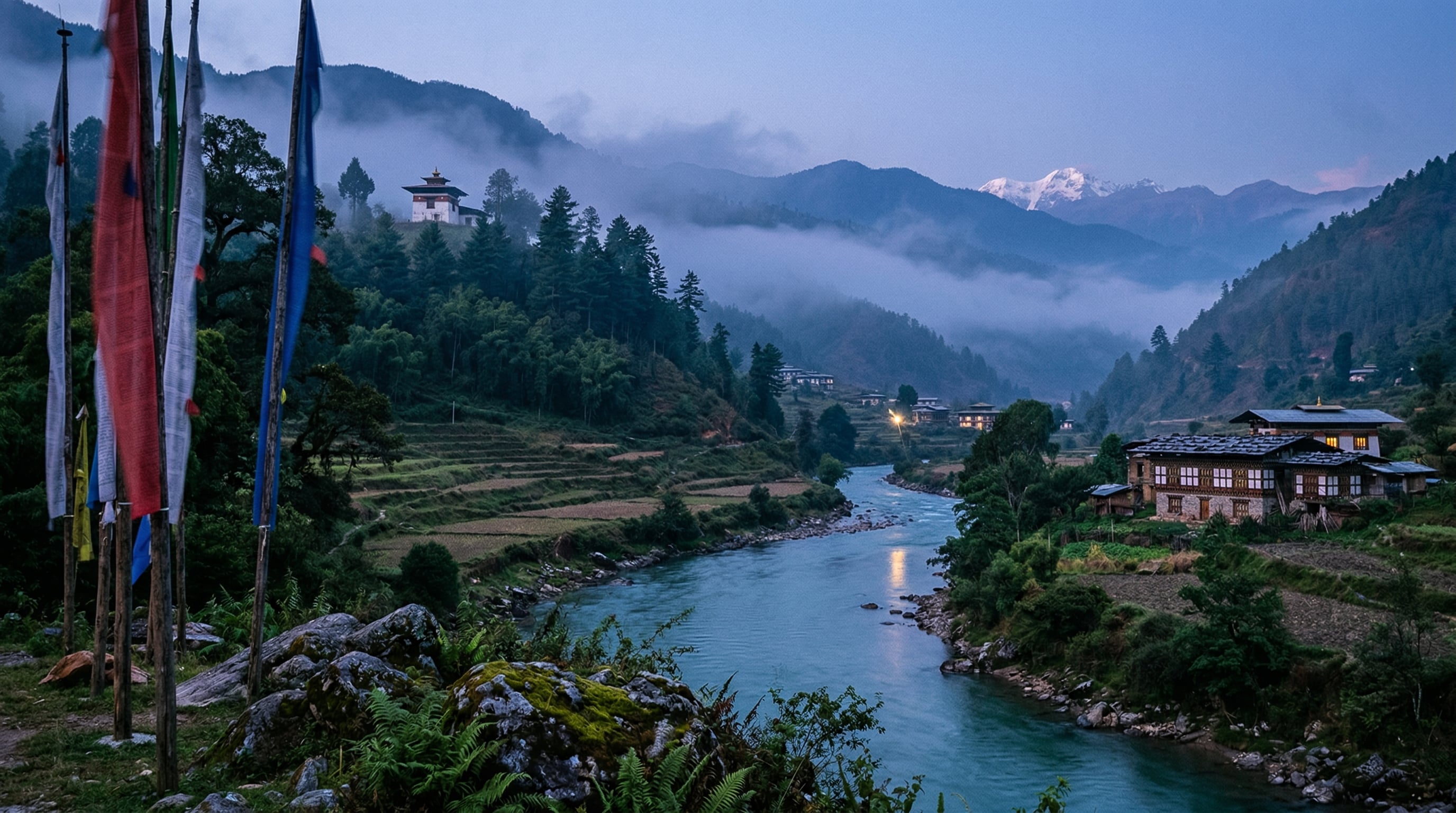
Yet the same monastery, approached before dawn, becomes something entirely different: a pilgrimage site functioning as intended, watched only by mountain birds as sunrise paints the white walls gold.
This isn't merely about photography or avoiding other tourists. It's about accessing what Tiger's Nest actually is—a sacred space where Guru Rinpoche meditated for years, where monks continue practices begun centuries ago, where the boundary between earthly and divine grows thin. That experience is impossible amid crowd chatter and selfie sticks.
The Pre-Dawn Strategy
The approach is straightforward in concept, demanding in execution:
Departure time: 4:00-5:00 AM from Paro Valley lodges, depending on season and fitness level
Trail access: The trail officially opens at 8:00 AM. Pre-dawn access requires permits secured through established operator relationships with local authorities.
Lighting: Headlamps essential for the forested lower sections; sufficient dawn light typically arrives by mid-trail ascent.
Arrival target: Temple gates as they open, typically between 7:00-7:30 AM depending on season.
What the Early Start Provides
Solitude
Perhaps 200-300 people will climb to Tiger's Nest on a typical high-season day. Pre-dawn departure puts you ahead of virtually all of them. The upper approach, the viewpoint overlooking the monastery, the experience of entering the temple complex—all unfold in near-solitude impossible any other way.
Sacred Atmosphere
Early morning Buddhist monasteries function differently than midday tourist hours. You may encounter monks performing morning rituals, hear chanting echo from temple halls, witness practices that predate tourism by centuries. This is the living monastery—where private blessings carry their deepest weight—not the museum it becomes under tourist pressure.
Optimal Light
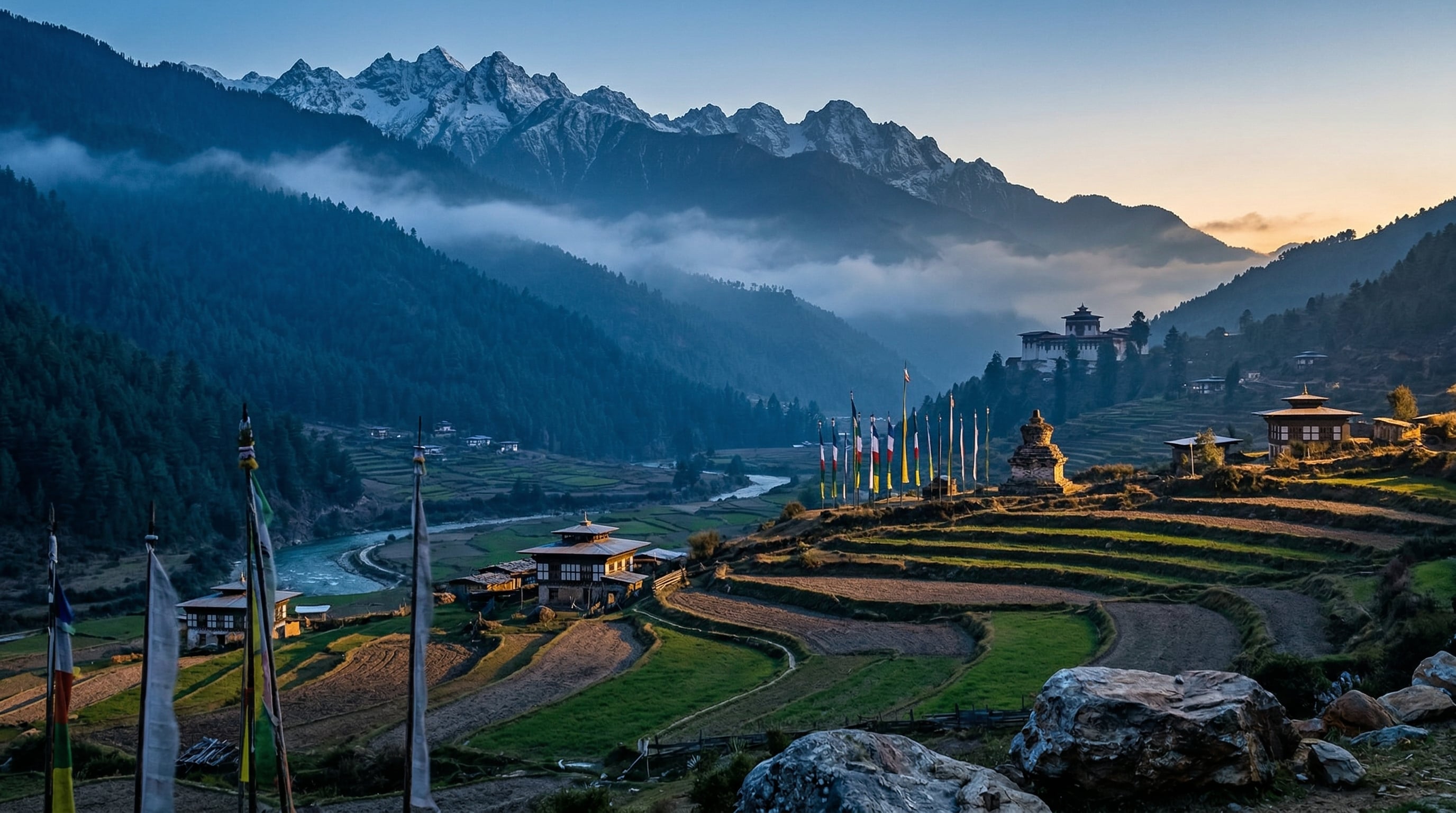
For photographers, early hours provide the magic. First light painting the white monastery walls orange and gold; mist rising from the valley below; clear morning air providing crispness impossible through afternoon haze. The iconic Tiger's Nest images you've seen? They were shot at dawn.
Physical Comfort
The 900-meter climb demands significant exertion. Morning cool makes this effort far more comfortable than climbing through midday heat. Arrival before the sun reaches full intensity allows return descent in acceptable temperatures.
Logistics and Preparation
The Night Before
- Early dinner and early bed—4:00 AM comes quickly
- Lay out clothing: layers that allow adjustment as temperature rises
- Charge camera batteries fully
- Fill water bottle; hydration critical for altitude exertion
- Set multiple alarms
What to Carry
- Headlamp with fresh batteries
- Layers including wind-resistant outer
- Sturdy hiking boots
- Water (minimum 1 liter)
- Snacks for the climb
- Camera equipment
- Rain jacket (mountain weather changes quickly)
What the Operator Provides
- Pre-dawn transport from lodge to trailhead
- Experienced guide with excellent trail knowledge
- Required permits for early access
- Celebratory breakfast at private viewpoint upon descent
The Ascent
The trail to Tiger's Nest gains 900 meters in elevation over roughly 5 kilometers:
First section (1.5km): Steady climb through pine forest; headlamps necessary in darkness. Trail well-maintained; no technical difficulty.
Middle section (1.5km): Continues to the cafeteria viewpoint. By this point, dawn typically begins providing natural light.
Final section (2km): From viewpoint, descent into the canyon and final steep climb to monastery gates. The most challenging portion includes stone steps and a final dramatic approach.
Total time varies by fitness: 2-4 hours for the ascent is typical. Early departure allows comfortable pace without rushing.
Inside the Monastery
Morning arrival aligns with optimal temple access:
- Temple halls quieter than afternoon hours
- Butter lamps freshly lit, flames still tall
- Monks potentially present at practice
- Photography prohibited inside—no cameras to distract from presence
The innermost temple enshrines Guru Rinpoche's meditation cave. Early hours allow actual contemplation rather than crowd-pressed glimpses.
The Return: Champagne Breakfast
Luxury operators transform the descent into celebration. Upon reaching a private viewpoint with monastery views, guests find champagne, freshly prepared breakfast, and comfortable seating arranged.
The contrast is intentional and very Bhutanese: spiritual effort followed by material reward, physical challenge culminating in sensory pleasure. The champagne at 9:00 AM feels earned; the Tiger's Nest views from breakfast plateau feel deserved.
Why This Matters
The pre-dawn strategy isn't merely travel optimization. It addresses a fundamental issue with popular sacred sites: the conflict between tourism and function.
Tiger's Nest remains an active monastery. Monks live there, practice there, maintain traditions there. Tourism traffic increasingly compromises this function. Early access purchases time when the monastery can still function as intended—when visitors participate in sacredness rather than merely observing it.
For the individual traveler, the benefit is direct experience of what makes Tiger's Nest significant. Anyone can photograph the exterior. Pre-dawn visitors receive the monastery's actual gift: space for transcendence.
Practical Considerations
Fitness requirements: The climb is demanding at altitude. Visitors with cardiovascular concerns should consult physicians. Pre-trip conditioning helps significantly.
Altitude: Tiger's Nest sits at 3,120 meters. Acclimatization in Paro (2,200m) for at least one day before the climb is essential.
Season: Pre-dawn access works in all seasons, though winter's shorter days require careful timing. Spring and autumn offer optimal combinations of temperature and light.
Permit lead time: Operators should initiate permit requests at least 2 weeks before the planned climb date.
The Investment
Pre-dawn Tiger's Nest requires investment: earlier bedtime, alarm-clock willingness, physical effort in darkness. The return on this investment—solitude in Bhutan's most sacred site, sunrise photography, participation in authentic monastic atmosphere—cannot be purchased any other way.
Time, ultimately, is the commodity. Those willing to give time differently receive differently in return.
Ready to experience Bhutan?
Our concierge team crafts private, all-inclusive journeys tailored to your interests.
Written by
Bhutan & Co. Editorial Team