Bhutan Festival Calendar 2027: Your Complete Tshechu Planning Guide
Complete 2027 Bhutan festival calendar with tentative tshechu dates, travel planning tips, and luxury accommodation advice.
TLDR
Bhutan's tshechu festivals are the kingdom's most powerful cultural experiences. The tentative 2027 calendar includes Paro Tshechu (March 18-22), Thimphu Tshechu (October 10-12), and the extraordinary fire ceremony at Jambay Lhakhang (November 14-17) — all best experienced through advance planning with luxury accommodations.
Why Plan Your Bhutan Trip Around a Festival
If you visit Bhutan and miss a tshechu, you've seen the scenery but not the soul. These sacred Buddhist festivals — held in dzong courtyards and monastery grounds across the kingdom — are where Bhutan's living spiritual culture comes alive in extraordinary color, sound, and movement.
Monks in elaborate brocade costumes perform cham dances that date back centuries, depicting the triumph of Buddhism over evil. Villagers dress in their finest gho and kira, families gather, and the atmosphere blends deep reverence with joyful celebration. For the luxury traveler, witnessing a tshechu isn't just a cultural highlight — it's often the defining memory of their entire Bhutan journey.
This guide provides tentative 2027 dates for every major festival, along with practical planning advice to help you time your trip perfectly.
2027 Festival Calendar: Major Dates at a Glance
Festival | Dates (2027) | Location | Highlight |
|---|---|---|---|
Punakha Drubchen & Tshechu | February 13–18 | Punakha Dzong | 17th-century battle reenactment in armor |
Paro Tshechu | March 18 – 22 | Rinpung Dzong, Paro | Pre-dawn Thongdrel (giant sacred tapestry) unveiling |
Ura Yakchoe | April (dates TBC) | Ura Valley, Bumthang | Remote village festival with few tourists |
Nimalung Tshechu | June (dates TBC) | Nimalung Monastery, Bumthang | Green season festival in spiritual heartland |
Haa Summer Festival | July (dates TBC) | Haa Valley | Living culture showcase, traditional sports |
Thimphu Tshechu | October 10–12 | Tashichho Dzong, Thimphu | Capital's largest festival, massive Thongdrel |
Wangdue Tshechu | October (dates TBC) | Wangdue Phodrang | Reconstructed dzong's celebration |
Jambay Lhakhang Drup | November 14–17 | Jambay Lhakhang, Bumthang | Famous fire ceremony (Mewang) — naked fire dance |
Black-Necked Crane Festival | November 11 | Gangtey, Wangdue Phodrang | Celebrates arrival of endangered cranes |
Trongsa Tshechu | December (dates TBC) | Trongsa Dzong | Royal heritage celebration in ancient dzong |
Note: Bhutanese festival dates follow the lunar calendar and may shift slightly. Dates marked "TBC" will be confirmed closer to the event. We recommend booking your journey 3-6 months in advance for major festivals like Paro and Thimphu Tshechu, as luxury accommodation sells out quickly.
The Big Three: Festivals Every Luxury Traveler Should Know
Paro Tshechu (March 18 – 22)
Bhutan's most famous festival, held in the courtyard of the magnificent Rinpung Dzong overlooking the Paro Valley. The undeniable highlight is the pre-dawn unveiling of the Thongdrel — a giant embroidered tapestry of Guru Rinpoche that is displayed only once a year, before sunrise. Buddhist tradition holds that merely viewing this sacred image cleanses the soul of sin.
The five-day programme features elaborate mask dances, folk performances, and the palpable devotion of thousands of Bhutanese pilgrims. For photographers, the morning light flooding the dzong courtyard creates extraordinary conditions.
Planning tip: Book accommodation 4-6 months ahead. Paro's luxury options include Amankora Paro and Six Senses Paro — see our lodge comparison guide. Pair with a Tiger's Nest hike on the days before or after.
Thimphu Tshechu (October 10–12)
The capital's largest festival transforms the grounds of Tashichho Dzong into a vast celebration. The atmosphere is more urban and grand than Paro — with larger crowds, more diverse performances, and excellent opportunities for people-watching as Bhutanese from across the country converge on Thimphu.
The final day features the unfurling of Thimphu's own massive Thongdrel. October weather is typically clear and warm — ideal conditions for both the festival and broader exploration of the capital.
Planning tip: Combine with a few days exploring Thimphu's museums, markets, and the living cultural traditions of the capital. Consider continuing to Punakha afterward, when the festival crowds have dispersed.
Jambay Lhakhang Drup (November 14–17)
For the adventurous luxury traveler, this Bumthang festival offers something no other tshechu can: the Mewang fire ceremony. Performed at night, dancers leap through and around blazing bonfires in a ritual believed to bless infertile women. A second naked dance, the Tercham, is equally unforgettable. These raw, elemental rituals feel closer to Bhutan's pre-Buddhist shamanic roots than the more refined cham dances of Paro and Thimphu.
Planning tip: Bumthang requires either an internal flight or a full day's drive from Punakha. Build 10-14 days for a journey that includes both western valleys and Bumthang. Our private journeys can be customized around this festival.
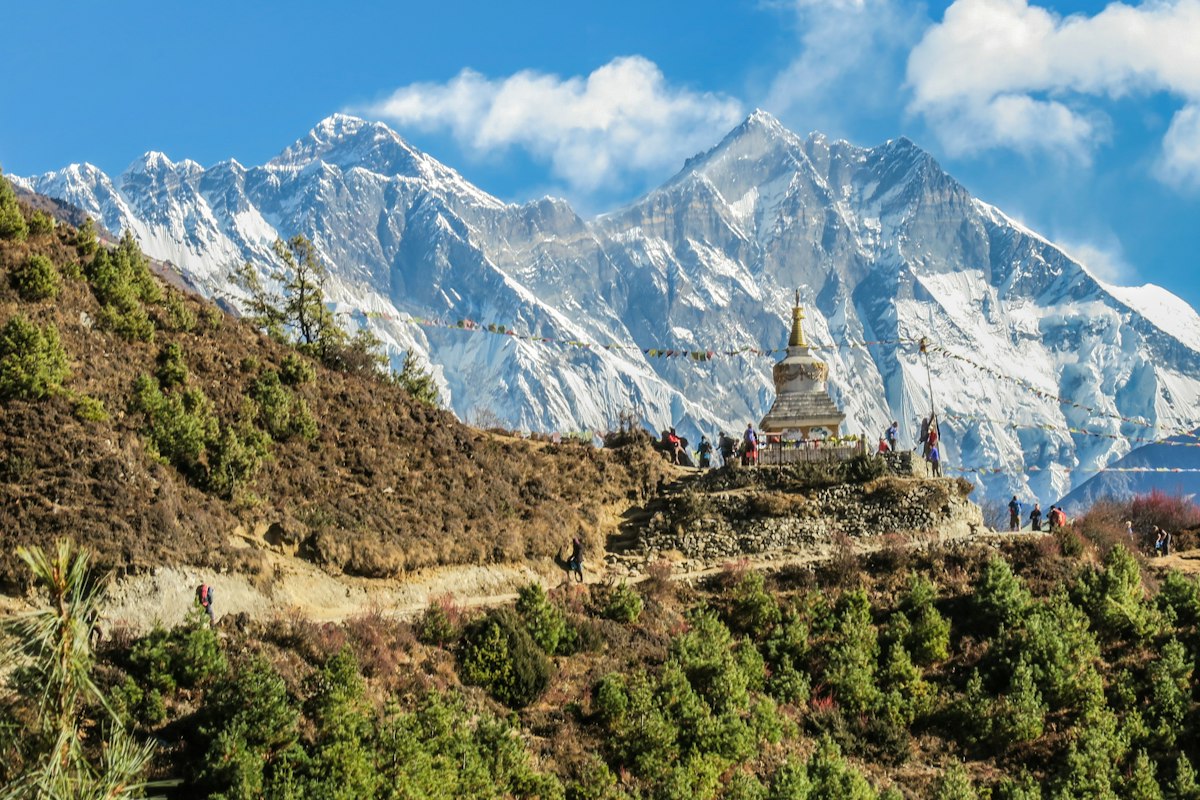
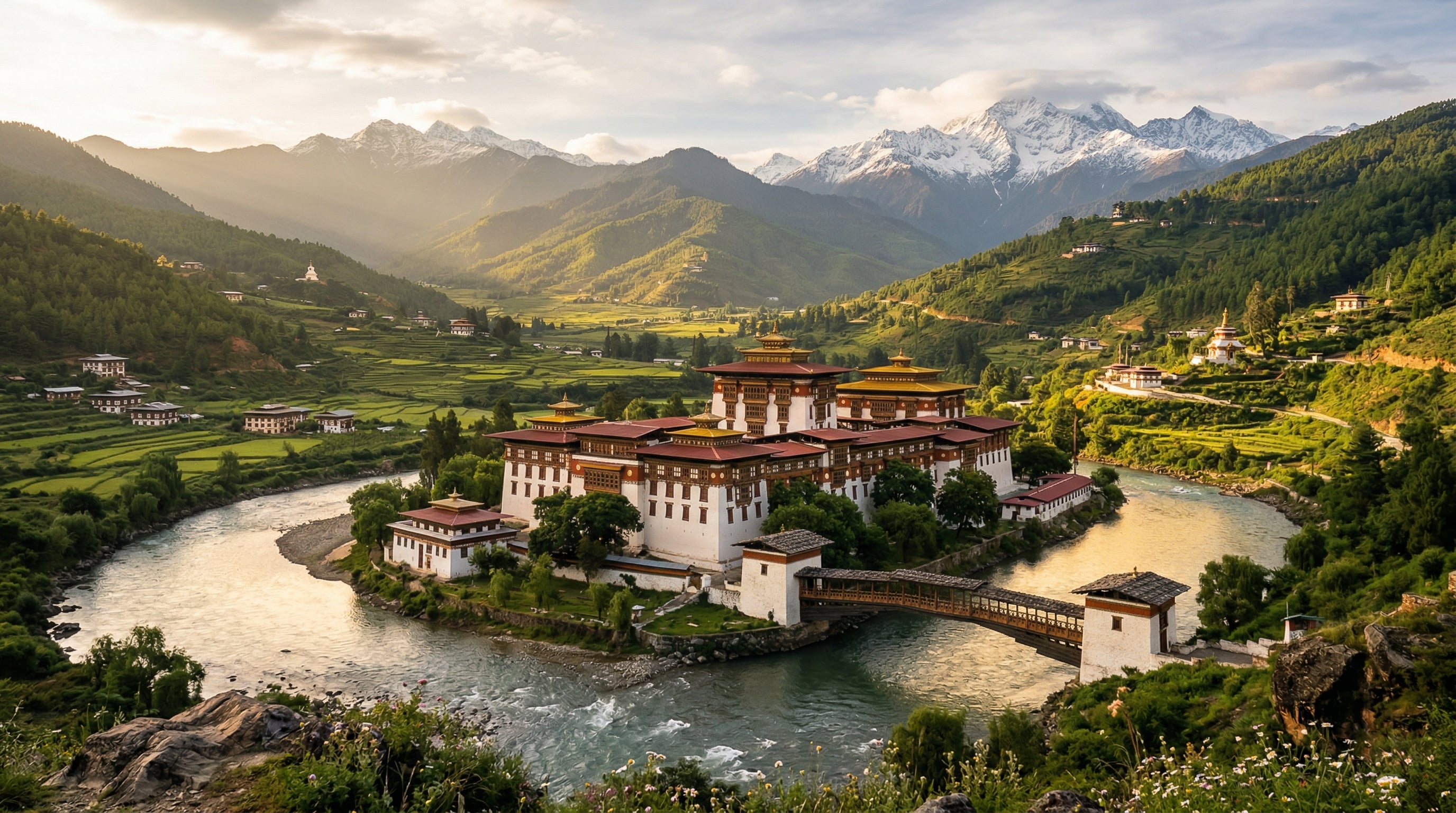
Bhutan's dzongs serve as both administrative centers and the spectacular venues for tshechu festivals
Seasonal Strategy: Which Festival Matches Your Travel Window?
Travel Window | Recommended Festival | Weather | Crowd Level |
|---|---|---|---|
February | Punakha Drubchen & Tshechu | Cool, clear skies | Moderate |
Mid–Late March | Paro Tshechu | Warm, spring blooms | High (book early) |
June – July | Nimalung / Haa Festival | Monsoon (lush green) | Very low |
September | Thimphu Tshechu | Warm, post-monsoon clarity | High |
October – November | Jambay Lhakhang / Crane Festival | Crisp autumn, clear Himalayan views | Moderate |
December | Trongsa Tshechu | Cold, clear, dramatic light | Low |
Practical Tips for Festival Travel
Dress respectfully: Bhutanese dress formally for tshechus. While tourists aren't expected to wear gho or kira, smart-casual clothing in muted colors shows respect.
Arrive early: The most sacred moments (especially Thongdrel unveilings) happen at dawn. Your guide will coordinate timing.
Photography: Respectful photography is generally welcomed, but follow your guide's lead on sacred moments where cameras should be put away.
Combine festivals with exploration: Build 2-3 non-festival days into your itinerary for hiking, lodge experiences, and cultural visits without the crowds.
Getting to Bhutan for Festival Season
Peak festival months (March-April and September-October) see the highest demand for Drukair flights to Paro. As the travel brand of OMG Experience Co., Ltd. — the official Passenger Sales Agent of Drukair Royal Bhutan Airlines — Bhutan & Co. handles flight ticketing directly, ensuring priority seat selection and real-time schedule management during these high-demand periods.
Read our Drukair flight guide for seating strategies, and our Bangkok gateway guide for transit planning.
Frequently Asked Questions
What is the most important Bhutan festival to attend?
Paro Tshechu (March 18 – 22, 2027) is widely considered the most spectacular, featuring the sacred Thongdrel unveiling at dawn. Thimphu Tshechu (October 10-12) is the largest. For raw authenticity, Jambay Lhakhang Drup's fire ceremony in Bumthang is unmatched.
How far in advance should I book for festival travel?
For Paro and Thimphu Tshechu, book 4-6 months ahead. Luxury lodges like Amankora and Six Senses sell out for peak festival dates. For smaller festivals, 2-3 months is typically sufficient.
Can I attend multiple festivals in one trip?
Only if they overlap or fall close together. Most festivals last 3-5 days. A 10-14 day trip could potentially include two festivals if the timing aligns. Check the calendar above and contact our concierge for custom festival itineraries.
Are festivals suitable for children?
Yes — Bhutanese families bring children of all ages. The colorful masks, music, and festive atmosphere are fascinating for kids. See our family travel guide for more tips.
Plan Your Festival Journey
Timing your Bhutan trip around a tshechu transforms a luxury holiday into something genuinely sacred. Our team specializes in festival-timed itineraries that combine prime viewing access with the finest accommodations and cultural experiences.
Contact our concierge to build your 2027 festival journey, or explore our curated private journeys that can be tailored to any festival date.
Ready to experience Bhutan?
Our concierge team crafts private, all-inclusive journeys tailored to your interests.
Written by
Bhutan & Co. Editorial Team