gSo-ba Rig-pa: Traditional Bhutanese Medicine Explained
Explore the ancient healing system of gSo-ba Rig-pa, Bhutan's integrated approach to health that balances body, mind, and spirit. Learn about the three humors, consultations with drungtsho practitioners, and how this wisdom complements modern wellness.
TLDR
gSo-ba Rig-pa (traditional Bhutanese medicine) balances three humors: rLung (wind), mKhris-pa (bile), and Bad-kan (phlegm). Modern luxury retreats offer private consultations with drungtsho doctors who provide personalized diagnoses, herbal remedies, and lifestyle guidance—all officially integrated into Bhutan's healthcare system.
The Science and Spirituality of Bhutanese Healing
Long before Western medicine reached the Himalayas, Bhutanese practitioners were diagnosing illness through pulse reading, prescribing herbal compounds from mountain pharmacies, and understanding health through a sophisticated philosophical framework. This tradition—gSo-ba Rig-pa, literally "the knowledge and science of healing"—remains not merely preserved but actively practiced throughout modern Bhutan.
For the wellness-oriented traveler, engagement with gSo-ba Rig-pa offers something unavailable in spa destinations worldwide: participation in a living medical tradition that integrates body, mind, and spiritual development.
Philosophical Foundations
gSo-ba Rig-pa emerged from the intersection of Buddhist philosophy and empirical observation. Its core insight—that physical health cannot be separated from mental state or spiritual condition—produces medical practice fundamentally different from Western specialization.
The system recognizes three ultimate causes of all illness:
- Ignorance: Fundamental misunderstanding of reality's nature
- Attachment: Grasping at pleasure and possessions
- Aversion: Rejection and hatred of unpleasant experiences
These "three poisons" of Buddhist psychology manifest physically through disruption of the body's elemental balance. Treatment therefore addresses causes as well as symptoms—mental patterns as well as physical manifestations.
The Three Humors: Understanding Balance
The human body, in gSo-ba Rig-pa understanding, functions through three fundamental energies or humors:
rLung (Wind)
Governing movement, respiration, and nervous system function. rLung relates to thinking, communicating, and all forms of physical and mental motion. Imbalance manifests as anxiety, insomnia, restlessness, and certain digestive disorders.
Those with dominant rLung constitutions tend toward creativity, quick thinking, and adaptability—but also scattered attention and nervous exhaustion.
mKhris-pa (Bile)
Controlling metabolism, body heat, and digestion. mKhris-pa relates to transformation—both physical digestion and the processing of experiences. Imbalance produces inflammation, fever, skin disorders, and excessive anger.
Bile-dominant individuals often display leadership qualities, sharp intelligence, and decisive action—but also tendency toward burnout and irritability.
Bad-kan (Phlegm)
Maintaining stability, body fluids, and structural integrity. Bad-kan provides grounding, patience, and physical endurance. Imbalance manifests as lethargy, weight gain, depression, and respiratory congestion.
Phlegm-dominant types exhibit calmness, loyalty, and steady endurance—but also resistance to change and tendencies toward stagnation.
Health, in this framework, means maintaining appropriate balance among these three energies—a balance that differs according to individual constitution, season, age, and life circumstances.
The Drungtsho: Traditional Medicine Doctors
Practitioners of gSo-ba Rig-pa, known as drungtsho, undergo extensive training—typically five to six years at the National Traditional Medicine Hospital in Thimphu, followed by clinical apprenticeship. Their education includes:
- Memorization of classical medical texts
- Identification of hundreds of medicinal plants and minerals
- Pulse diagnosis techniques requiring years to master
- Urine analysis methods preserved from ancient traditions
- Compound preparation from natural ingredients
- Buddhist philosophical understanding underlying the medical system
Crucially, drungtsho are not alternative practitioners in the Western sense. gSo-ba Rig-pa is officially integrated into Bhutan's formal healthcare system, with traditional medicine hospitals and clinics operating alongside modern medical facilities, often in the same institutions.
The Consultation Experience
A traditional consultation unfolds quite differently from Western medical appointments:
Pulse Diagnosis: The drungtsho reads three pulse positions on each wrist, detecting subtle variations that reveal the status of different organs and humor balances. This single technique, practiced skillfully, provides comprehensive diagnostic information.
Observation: The practitioner observes the patient's complexion, eyes, tongue, and general demeanor—each providing diagnostic information.
History Taking: Questions address not only physical symptoms but dreams, emotional states, and life circumstances—all relevant to diagnosis.
Urine Analysis: Traditional methods assess color, odor, bubble patterns, and sediment—techniques preserved for centuries.
Based on these assessments, the drungtsho formulates an individualized treatment approach that may include:
- Herbal compounds: Pills, powders, or decoctions made from specific plant, mineral, and sometimes animal ingredients
- Dietary recommendations: Specific foods that balance the individual's humor imbalance
- Behavioral guidance: Lifestyle adjustments addressing root causes
- External treatments: Massage, moxibustion (heat therapy), or other physical interventions
- Spiritual practices: Mantras, meditation, or ritual observances
Luxury Wellness Integration
Elite Bhutanese retreats have incorporated traditional medicine into their wellness offerings:
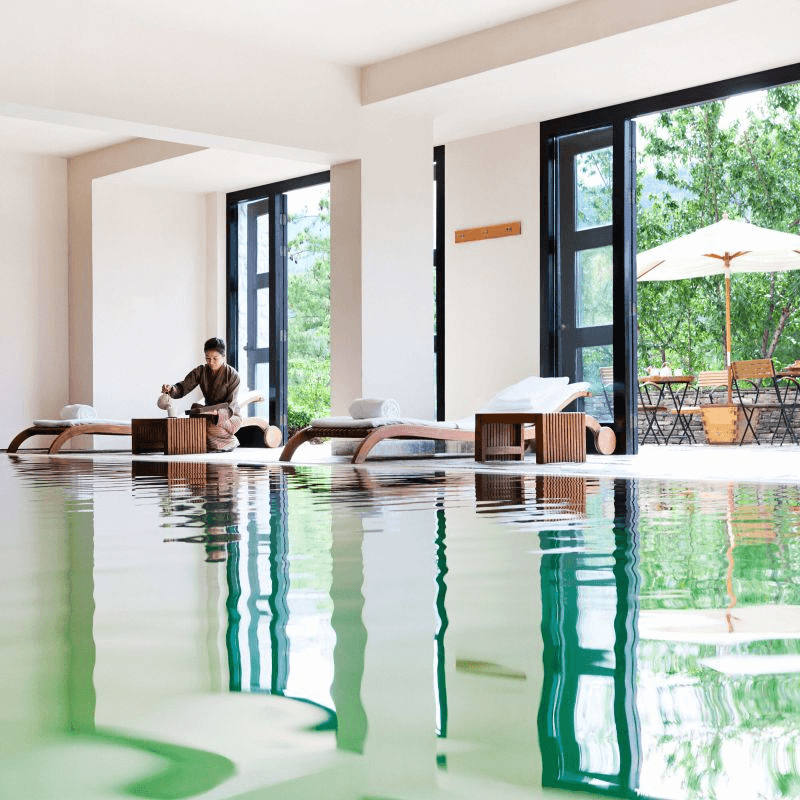
Bhutan Spirit Sanctuary: This wellness-focused property near Paro offers complimentary consultations with resident drungtsho as part of their comprehensive programs. Guests receive personalized recommendations that shape their entire stay.
Six Senses Lodges: Traditional medicine consultations complement the brand's signature wellness approach, integrating Eastern wisdom with modern spa luxury.
Amankora: Through their curated wellness itineraries, Aman properties facilitate traditional medicine experiences alongside their renowned spa treatments, often complemented by traditional Dotsho hot stone baths.
These facilities demonstrate how ancient wisdom can integrate with contemporary luxury expectations—the drungtsho's clinic may feature traditional decor and natural lighting while meeting exacting standards of cleanliness and professional presentation.
Taking Medicine Home
Many visitors choose to continue gSo-ba Rig-pa practices after departing Bhutan. The National Traditional Medicine Hospital in Thimphu operates a pharmacy where visitors can purchase prescribed compounds, typically in pill form, to continue treatment at home.
Common recommendations for travelers include:
- Altitude adaptation formulas: Supporting body adjustment to high elevations
- Digestive compounds: Maintaining balance during diet changes
- Sleep support: Addressing jet lag and travel-disrupted rest
- General tonics: Supporting overall vitality and immunity
Distinction from Other Traditions
While gSo-ba Rig-pa shares roots with Tibetan medicine and incorporates elements from Ayurveda and classical Chinese traditions, it has developed distinct characteristics in Bhutan:
- Greater emphasis on locally-available Himalayan herbs
- Integration with specifically Bhutanese Buddhist practices
- Royal patronage ensuring institutional development
- Official recognition within the national healthcare system
The Healing Philosophy
Perhaps most valuable for visitors is the philosophical perspective gSo-ba Rig-pa offers. In a world of medical specialization—where bodies are fragmented into organ systems, minds into psychological categories—this tradition insists on integration.
The headache cannot be divorced from the stress that created it. The digestive complaint connects to dietary choices, themselves connected to emotional patterns. Physical symptoms point toward mental attitudes; mental attitudes create physical conditions.
This perspective doesn't reject modern medicine's contributions but complements them. The drungtsho's approach works alongside, not against, other treatments. In this integration lies perhaps the deepest wisdom: that healing modalities need not compete but can cooperate in serving the person who encompasses them all.
Ready to experience Bhutan?
Our concierge team crafts private, all-inclusive journeys tailored to your interests.
Written by
Bhutan & Co. Editorial Team