Dotsho: The Ancient Hot Stone Bath Ritual
Experience Dotsho, the traditional Bhutanese hot stone bath that combines mineral-rich river stones, healing Artemisia herbs, and centuries of wellness wisdom. Learn why this therapeutic ritual is essential recovery for any Himalayan journey.
TLDR
Dotsho uses super-heated river stones dropped into wooden tubs with Artemisia (khempa) herbs. The mineral-infused waters treat muscle fatigue, joint pain, and altitude effects. Luxury lodges offer private riverside bathhouses with mountain views for the ultimate recovery experience.
The Crackle and Hiss of Ancient Healing
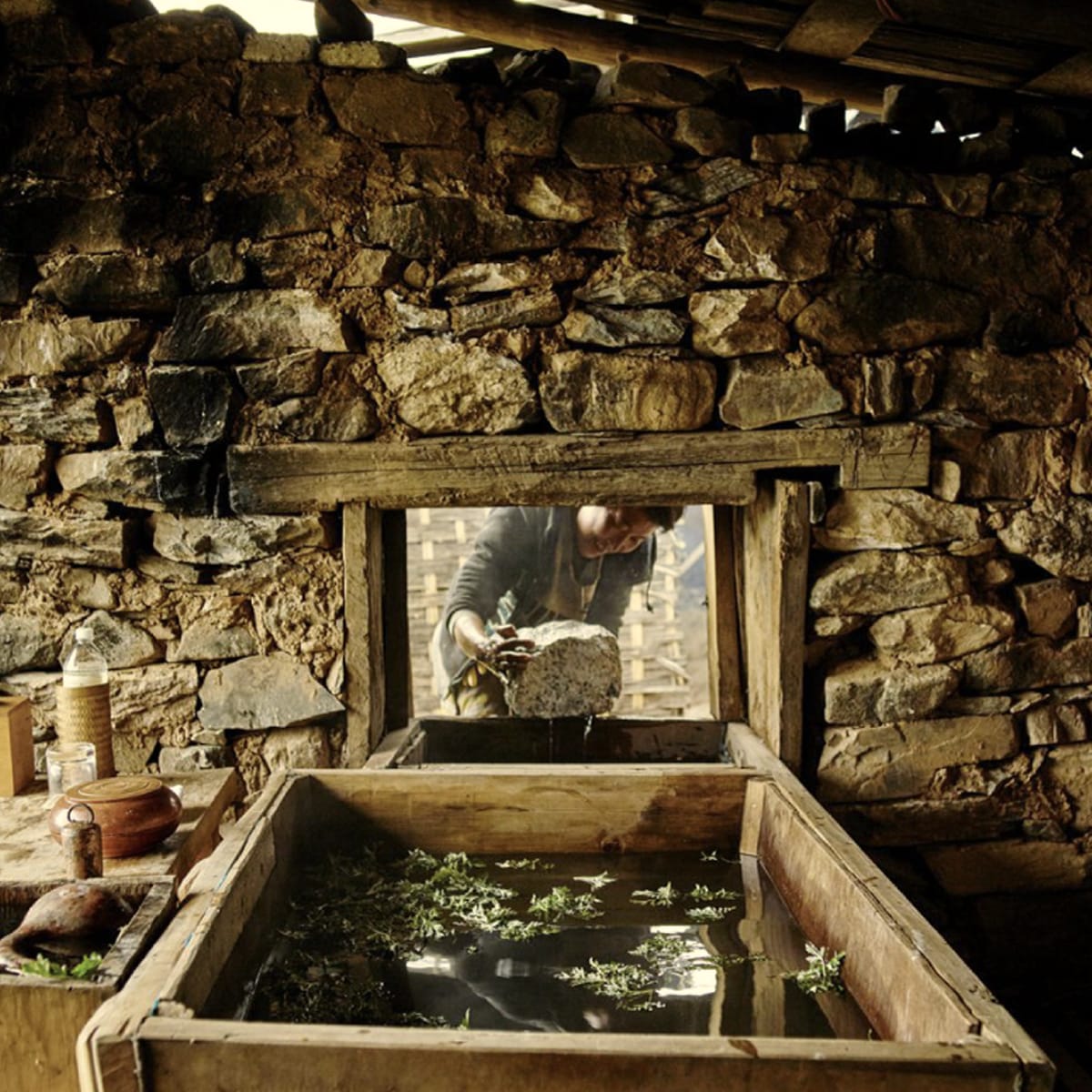
The massive river stones glow red from hours in an open fire. With practiced precision, the attendant lifts one using wooden poles and submerges it in the wooden tub. The water erupts in steam and bubbling fury. The crackle and hiss announce what Bhutanese have known for centuries: healing is about to begin.
This is Dotsho, the traditional Bhutanese hot stone bath—a therapeutic ritual as essential to the mountain kingdom as monastery prayers or butter tea. For the luxury traveler, understanding and experiencing Dotsho has become an integral component of any meaningful Bhutan journey.
The Science of Stone and Water
The mechanics of Dotsho are elegantly simple. Large, smooth stones are gathered from riverbeds—the particular mineral composition of Bhutanese rivers contributes to the treatment's effectiveness. These stones are heated in an open fire for several hours until they reach extreme temperatures.
The stones are then lowered into a wooden tub filled with fresh mountain spring water, typically dividing the bathing area from the heating section using a bamboo or wooden partition. This allows the stones to heat the water while protecting bathers from direct contact. As stones cool, they're replaced with fresh hot ones, maintaining therapeutic temperature throughout the session.
As the stones heat the water, they release accumulated minerals—iron, magnesium, calcium, and trace elements absorbed over centuries. This mineral-rich bath water becomes a therapeutic medium carrying the mountains' own healing properties.
The Artemisia Secret: Khempa
Essential to authentic Dotsho is the addition of Artemisia, known locally as khempa. This aromatic herb, gathered from high-altitude meadows, transforms the experience from simple hot bath to genuine medical treatment.
Artemisia's properties include:
- Natural analgesic: Pain relief for overworked muscles and travel-fatigued bodies
- Muscle relaxant: Releasing tension accumulated from long flights and demanding treks
- Anti-inflammatory: Reducing swelling in joints and extremities
- Circulation boost: Encouraging blood flow to peripheral areas
- Aromatherapy: The distinctive scent promotes mental relaxation
The herb is typically steeped in the water before heating, allowing its essences to permeate the bath. As the hot stones raise temperatures, these therapeutic compounds become more active, creating what is essentially a full-body herbal treatment.
Therapeutic Applications
Bhutanese traditionally turn to Dotsho for specific conditions:
Post-Trekking Recovery
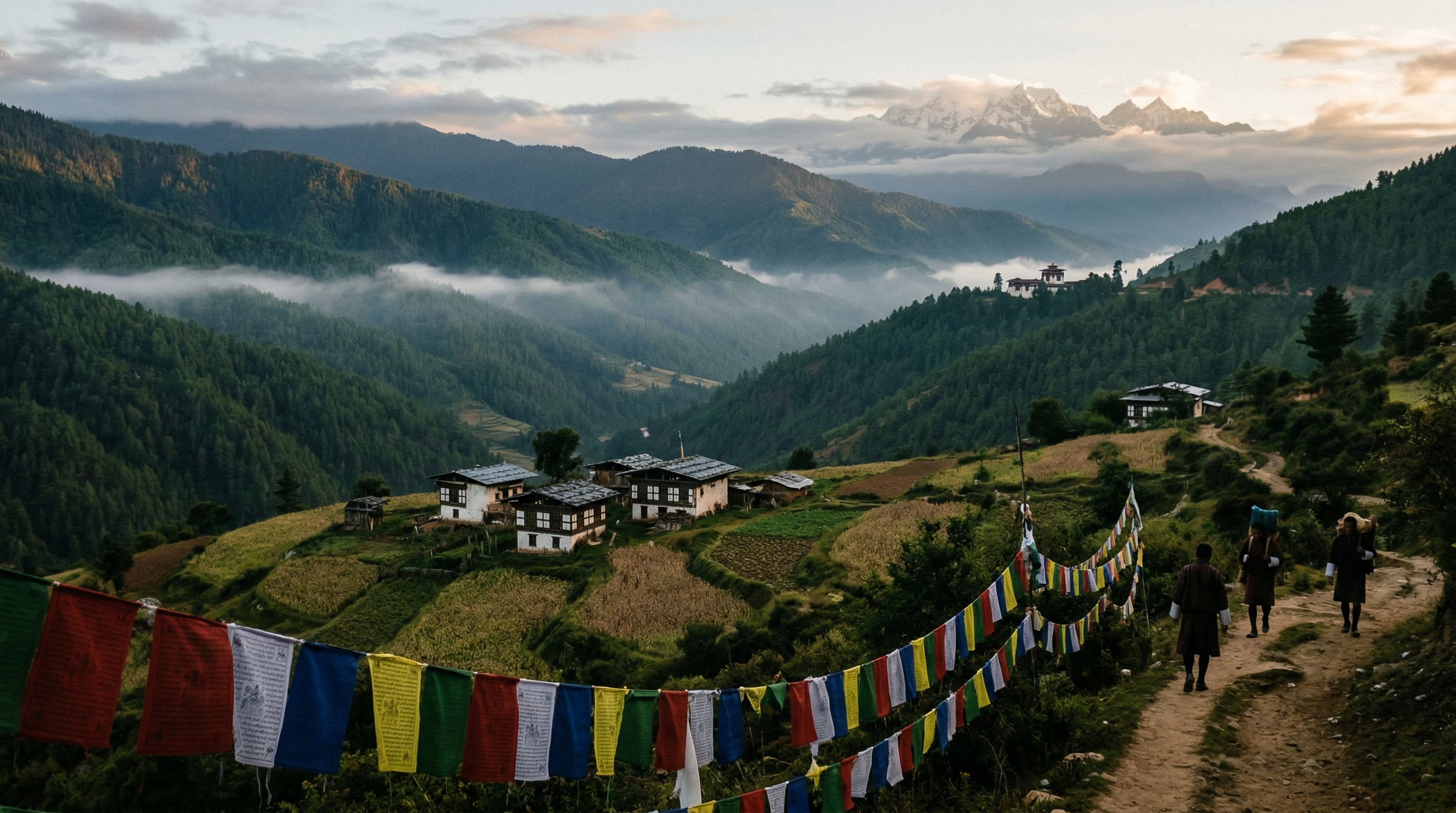
After the demanding ascent to Tiger's Nest or segments of the Trans Bhutan Trail, Dotsho addresses both muscle fatigue and the particular stress that altitude places on the body.
Altitude adjustment: The combination of heat, minerals, and circulation improvement helps bodies adapt to Bhutan's high elevations—particularly valuable in the first days of arrival.
Joint conditions: Arthritis sufferers report significant relief. The combination of heat penetration and mineral absorption addresses both inflammation and stiffness.
Skin conditions: The mineral-rich waters contribute to skin health, while the heat opens pores for deep cleansing.
Respiratory issues: Steam inhalation with Artemisia vapors clears congestion and assists breathing—valuable in dry mountain air.
The Luxury Dotsho Experience
Traditional village Dotsho takes place in simple wooden structures, often attached to farmhouses. While authentic, these settings may not meet luxury expectations for privacy and ambiance.
Bhutan's elite lodges have elevated the tradition while maintaining its essential elements:
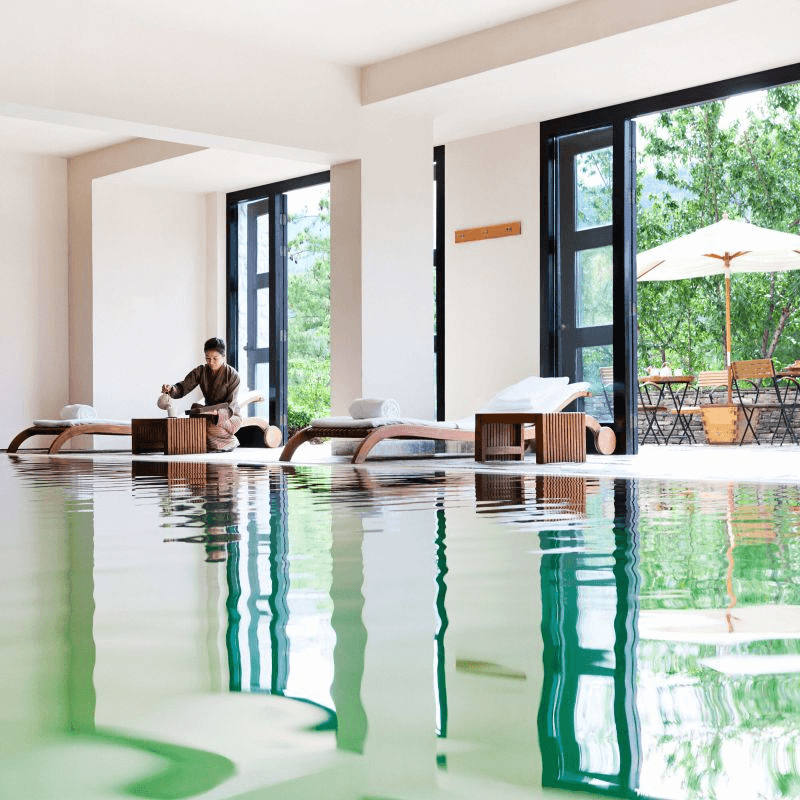
Setting: Private bathhouses positioned for maximum scenic impact—often riverside or overlooking mountain valleys. The combination of hot water immersion and cold mountain air creates sensory contrast that enhances the therapeutic effect.
Preparation: High-end experiences include personal attendants who manage the stone heating process, maintaining perfect temperature throughout the session.
Duration: Luxury sessions extend to 45-60 minutes, with stone replacement as needed—significantly longer than quick village treatments.
Accompaniments: Post-bath, expect warm robes, herbal teas, and sometimes light snacks. Some lodges offer massage as a following treatment, taking advantage of muscles pre-relaxed by the hot water.
Privacy: Individual or couple tubs replace communal bathing, allowing intimate experience without social performance.
Integration with Travel Rhythm
Strategic timing of Dotsho within an itinerary maximizes its benefits:
When to Schedule Your Dotsho
- Day 1-2: Early exposure helps with altitude acclimatization and jet lag recovery
- Post-Tiger's Nest: Essential recovery after the demanding hike, typically scheduled for the same evening
- After long drives: Bhutan's winding roads require extended vehicle time; Dotsho releases consequent tension
- Festival days: After hours of standing to watch masked dances, the bath restores tired legs
- Final evening: A memorable conclusion before departure, carrying Bhutan's healing warmth forward
Practical Considerations
Temperature: Authentic Dotsho runs hot—typically 38-42°C. Visitors with heart conditions or blood pressure concerns should consult physicians before participating.
Duration: 30-45 minutes in the water is typical. Most visitors find longer sessions fatiguing rather than beneficial.
Hydration: The intense heat promotes sweating. Drink plenty of water before and after the experience.
Timing: Best scheduled in late afternoon or evening, allowing the relaxation to flow into dinner and sleep.
Clothing: Bathing suits are commonly worn at luxury lodges. Traditional village settings expect more modest coverage.
Where to Experience Dotsho
Nearly every premium accommodation in Bhutan offers Dotsho, but some locations merit particular mention:
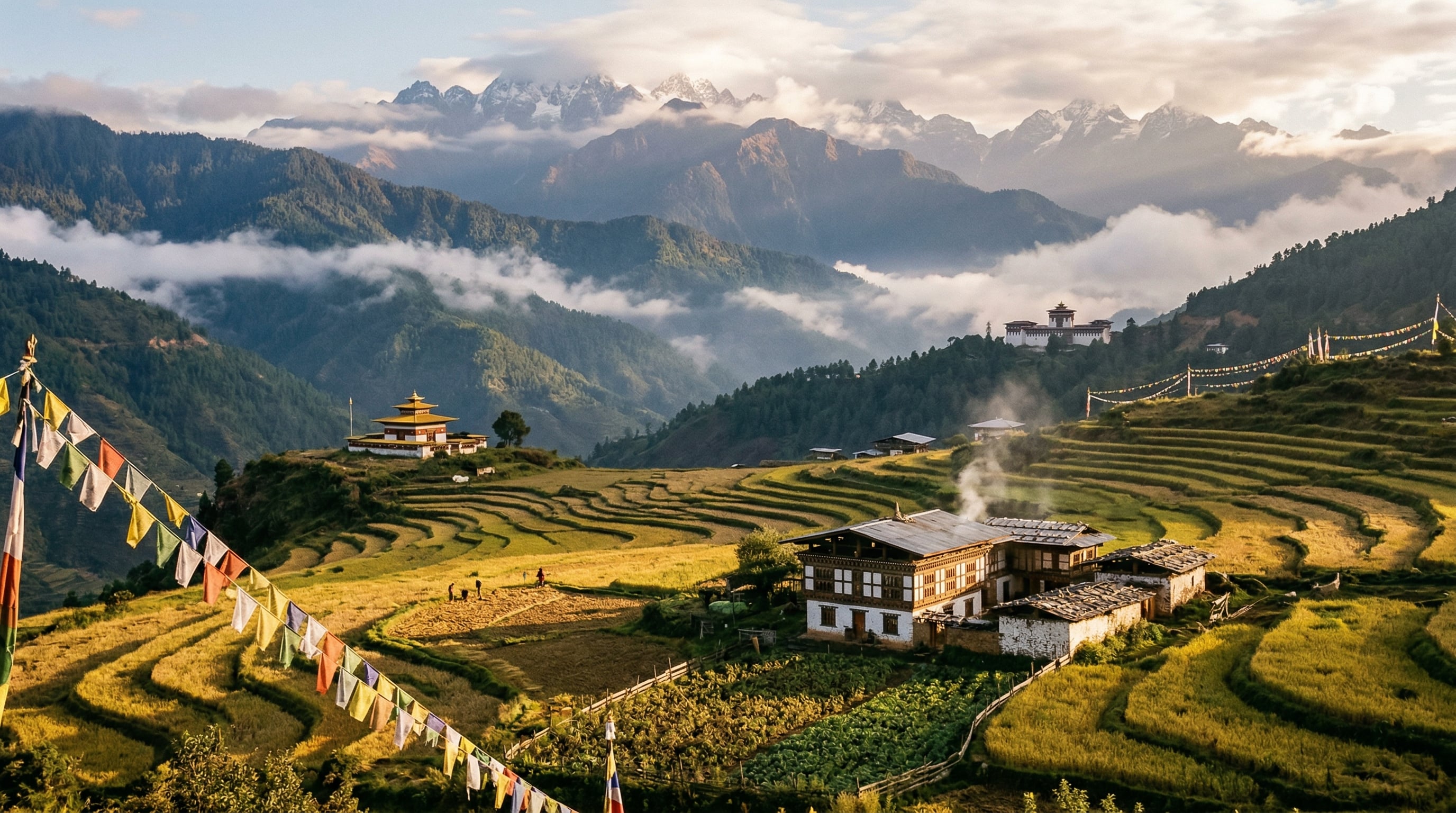
- Punakha Valley: Riverside settings with views of the dzong combine location and tradition
- Paro: Post-Tiger's Nest session is almost mandatory for physical recovery
- Bumthang: Traditional heartland offers particularly authentic experiences
- Gangtey: Valley views and crane-watching potential add to ambiance
More Than Physical Healing
Like many Bhutanese practices, Dotsho addresses more than physical symptoms. The forced stillness, the immersion in natural elements, the removal from digital connectivity—all contribute to mental reset that has become increasingly rare in modern life.
Visitors often report that Dotsho sessions produce their journey's most contemplative moments. Submerged in water heated by fire, surrounded by mountain views, freed from the need to do anything—the experience becomes meditative without requiring meditation technique.
This integration of physical and mental healing characterizes Bhutanese wellness approaches. The body cannot be separated from mind, techniques cannot be divorced from experience, treatment cannot ignore context. Dotsho, like Bhutan itself, offers holistic healing that modern compartmentalization tends to fracture.
The stones cool, the water cools, the evening air carries the scent of Artemisia. The mountains remain. The traveler emerges renewed.
Ready to experience Bhutan?
Our concierge team crafts private, all-inclusive journeys tailored to your interests.
Written by
Bhutan & Co. Editorial Team